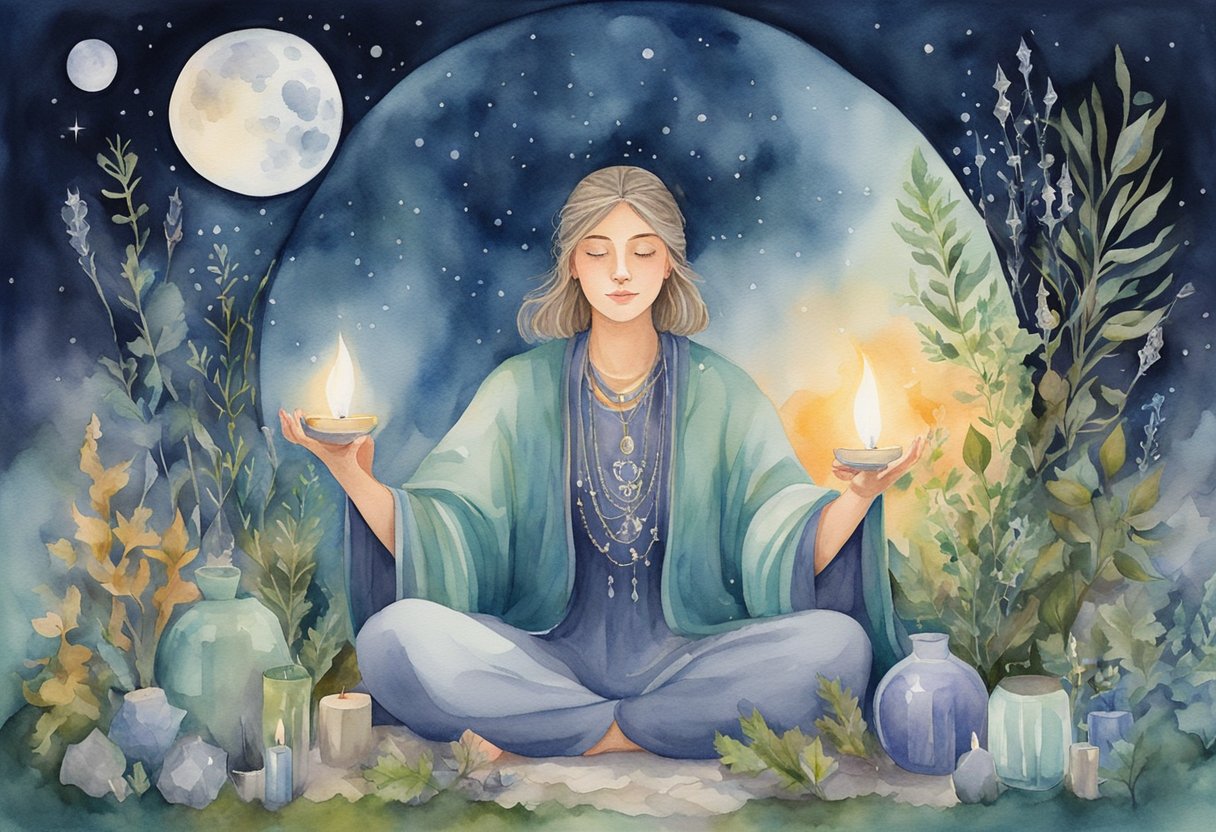
Improving your mindset for spellcasting is like welcoming a transformation that unlocks a more potent version of your magical practice. Think of each spell as a blend of intention, focus, and personal power, where the magic truly comes to life in the mind of the spellcaster. It’s about embracing a mental landscape where possibilities are nurtured and where the very essence of one’s intention can flourish.
A spellcaster must hone their skills not only through rituals and knowledge but also by cultivating a mindset that supports the efficacy and potency of their spells. Key elements such as unwavering concentration, clear intentions, and a nurturing environment contribute to the success of spellwork. Like a gardener tending to their plants, a spellcaster nurtures their practice with patience and steady dedication, understanding that the mindset is the fertile soil from which the power of their spells grows.
Creating the ideal atmosphere for spellwork involves more than just candles and incantations – it encompasses the transformation of the self. The journey of a spellcaster is deeply personal; it is interwoven with self-reflection and growth that transcends the act of casting spells. Walking the path of a spellcaster means being mindful of ethical considerations and fostering a sense of community that enriches both the individual and the collective magical experience.
Key Takeaways
- A potent spellcasting practice roots itself in a strong, clear mindset.
- Spells thrive on focused intention and undisturbed concentration.
- The best spellwork reflects personal growth and ethical awareness.
[su_button url=”https://amzn.to/4iB8iJY” background=”#a62def” color=”#ffffff” size=”10″ icon=”icon: magic”]Shop Witchy Supplies[/su_button]
Fundamentals of Spellcasting
Understanding Magic and Energy
Magic, in its essence, is about energy. It’s about recognizing that everything is imbibed with its own vibrancy, waiting to be tapped into. A spellcaster believes that by channeling the universe’s infinite energy, they can influence outcomes and manifest desires. They learn that this energy interconnects all things, and it’s their task to align with its ebb and flow to create change.
- Magic: A universal force that spellcasters connect with and shape.
- Energy: The undercurrent of all magical practices; used to manifest intentions.
The Role of Concentration and Meditation
Now, let’s chat about concentration. It’s key to honing in on one’s magical intent. When they concentrate, casters can focus their energy like a laser beam, aiming it precisely where they desire. Meditation complements this by quieting the mind, letting them tap into deeper levels of consciousness. This isn’t just sitting still and humming—it’s about finding that mental space where the magic lives and breathes.
- Concentration: Essential for directing energy purposefully during spellwork.
- Meditation: A practice that deepens one’s connection to magic, allowing a clearer channel for energy.
Cultivating a Spellcaster’s Mind
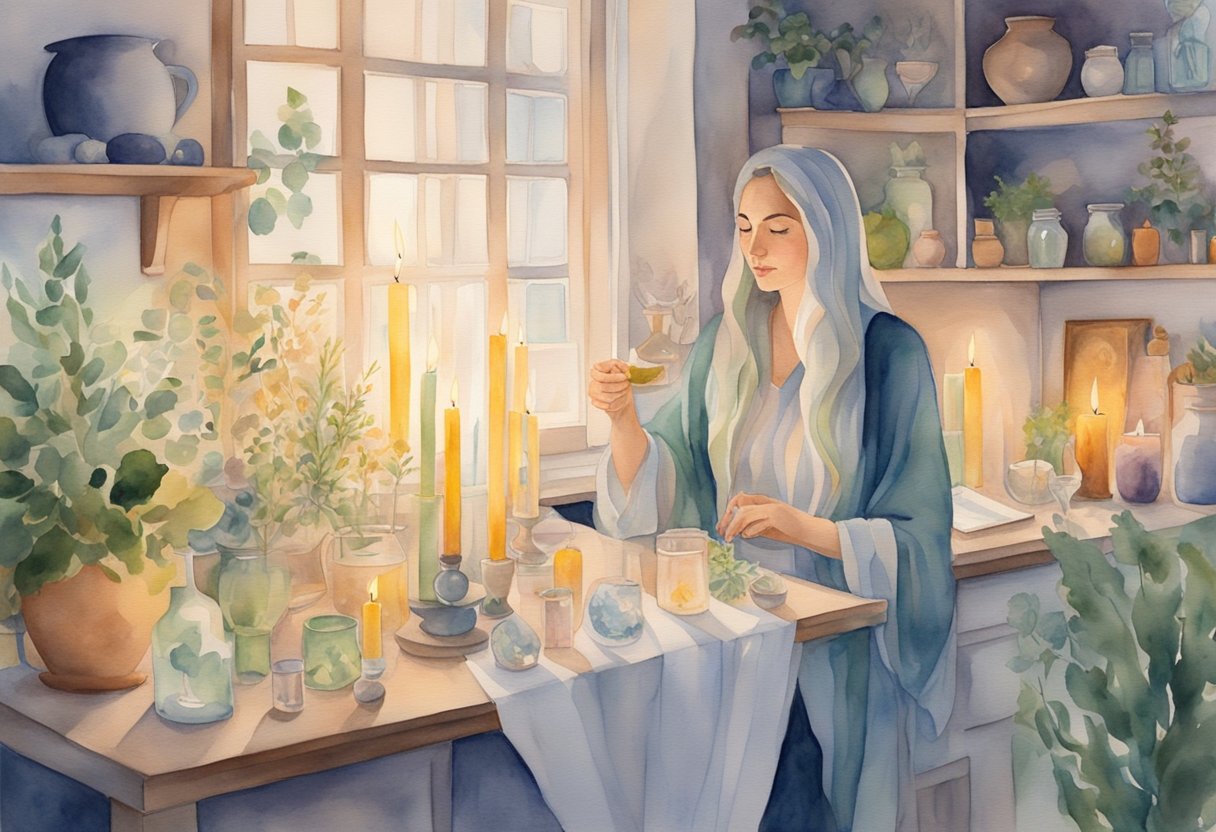
When a spellcaster focuses on enhancing their mental and spiritual capabilities, they are more likely to succeed in their magical practices. Achieving clarity of intent and embracing patience and persistence are crucial in this journey.
Achieving Clarity of Intent
A spellcaster’s intent should be as clear as a flawless crystal. This clarity is what directs their energies toward the desired outcome. Intent is the seed of any spell; they must know exactly what they want to accomplish before they begin. Visualization is a powerful tool in this regard; one should frequently practice imagining their goal as already achieved. A clear, vivid mental image strengthens the intent and aids in manifesting the desired results. They can use lists or mind maps to refine the specifics of what they’re aiming for.
Embracing Patience and Persistence
Magic doesn’t adhere to instant gratification—patience really is a virtue here. A spellcaster must understand that some spells may take time to come to fruition. Developing a belief in the unseen and having the patience to wait for outcomes is foundational. It’s like planting a garden; they tend the soil, sow the seeds, and then must wait for nature to do its part. Persistence, too, is key. They shouldn’t be discouraged by setbacks or a lack of immediate results. Instead, a spellcaster should remain steadfast in their practice, continuously working to hone their craft. Bullet points or a step-by-step plan to follow through with their work can be useful to maintain diligence and commitment.
Enhancing Spell Potency

Incorporating Rituals and Symbols
Rituals add a structured approach to spellcasting, elevating the practitioner’s focus and energy. They find that by utilizing specific symbols within these rituals, they connect more deeply to their intentions. For instance, choosing a pentacle may call forth protection, or a sigil personalized for prosperity can magnify its influence. It’s not just about waving a wand around; it’s the symbolism that packs a punch.
Symbols go way beyond just being pretty designs. They’re essentially conduits for the caster’s will. Think of them as a direct line to the universe, saying, “Hey, this is what I want to manifest.” It’s all about making sure that every aspect of the ritual aligns with their desired outcome.
Harnessing the Power of the Moon
The Moon isn’t just up there for nightlight; it’s a massive powerhouse for spellwork. Witches tap into lunar phases because each phase carries a unique energy—perfect for timing their spells. During the waxing moon, for instance, they focus on attraction spells to draw things toward them. Conversely, when the moon wanes, it’s all about letting go or banishing negativity.
Let’s not underestimate the full moon either. It’s like the all-you-can-eat buffet of magical energy — everyone wants a piece. A spellcaster might harness this time to perform the most crucial spells since the moon’s power is at its peak. Same goes for the new moon, which is ideal for fresh starts and new ventures. Each phase of the moon acts like a different flavor in the witch’s brew of magic—a flavor that can significantly change the potency of their spells.
Elements of Effective Spellcasting

Selecting the Right Tools and Ingredients
When casting a spell, the tools and ingredients one chooses can make a tremendous difference. Crystals, for example, are revered for their ability to store and transmit energy. A clear quartz point might be enlisted to amplify intentions, while a protective obsidian could aid in emotional shielding. Incorporating herbs aligns a spell with the energies of the earth. Rosemary could be used for purification, and lavender might bring peace. Tools like wands or athames direct energy in ritual, and the spellcaster’s own energized focus acts as the unseen, pivotal ingredient.
| Tools & Ingredients | Purpose |
|---|---|
| Clear Quartz | To amplify intentions |
| Obsidian | For protection |
| Rosemary (herb) | For purification |
| Lavender (herb) | To promote peace |
| Wand or Athame | To direct energy in rituals |
Utilizing Colors and Emotions
Colors vibrate with their own frequencies and can greatly impact the mood of a spell. Green might be chosen to draw wealth, while blue could calm turbulent thoughts. Intertwining colors with emotions heightens a spell’s resonance; envisioning a bright yellow can evoke feelings of joy, which might be essential in a happiness spell. Emotions power the core of spell-work, as they fuel the caster’s visualizations and declarations with raw energy, bridging the gap between the tangible and the mystical.
| Color | Emotional Association |
|---|---|
| Green | Wealth and growth |
| Blue | Calmness and peace |
| Yellow | Joy and optimism |
The alchemy of spellcasting is complex, calling on elements from the earth and the heart to manifest desires into reality. Through careful selection of tools and harmonious blend of colors and emotions, a spellcaster weaves a potent magic.
Creating the Ideal Environment

Creating the right environment is crucial for focus and efficacy. They need a space that resonates with their intentions and uplifts their spirit, making their practices more powerful and connected.
Setting Up Your Altar
To set up an altar, a spellcaster needs a small, undisturbed area where they can focus their energy. This space should be clean and tidy, reflecting their inner calm. They don’t need a lavish setup; a simple tabletop with items representing the elements of nature—earth, air, fire, water—will do. Adding personal totems or symbols can enhance the connection to the spiritual realm. It’s essential that this space feels personal and sacred, allowing them to ground their intentions solidly in the physical space.
- Earth: Crystals, stones, or a bowl of soil
- Air: Incense or feathers
- Fire: Candles or a small lamp
- Water: A bowl of water or sea shells
The Significance of Nature and the Universe
Spellcasting isn’t confined to an indoor altar; it’s inherently connected to the external environment—the vast universe and the raw beauty of nature. A spellcaster can draw immense energy and inspiration from natural settings. By practicing outdoors, they align their energies with the larger forces of the universe, tapping into the powerful rhythms of the earth and cosmic cycles. They can use the phases of the moon or the position of stars to potentiate their intentions, harnessing the universe’s magnificent energy in their spells.
Personal Transformation Through Spellwork

Journey of Self-Discovery and Growth
An individual often begins spellwork seeking external changes, but soon they discover its potent ability to illuminate their inner world. As they craft and cast spells with clear intentions and focused will, they inadvertently peel back layers of their own soul, uncovering desires and talents previously shrouded in shadow. The act of spellcasting becomes a mirror, reflecting one’s deepest truths, allowing for the personal growth that brightens the essence of their being.
Overcoming Challenges and Disappointment
Even the most skilled spellcaster must face the ebbs and flows of life’s tides. Disappointment may arise when spells don’t manifest as anticipated. Yet, these moments contain powerful lessons. They confront the spellcaster with the reality of impermanence and the need for adaptability. Through navigating these trials, a person’s resilience is fortified. They learn to weave their magick with more precision and to embrace the inherent wisdom found within every challenge, transforming setbacks into stepping stones for personal mastery.
Community and Ethical Considerations

Spellcasting isn’t a solitary path; it intertwines with community interactions and ethical frameworks that shape the craft. Exploring these aspects enhances a caster’s mindfulness and responsible use of magic.
Connecting with Covens and the Community
When a spellcaster seeks to tighten their bond with the mystical, they might consider joining a coven or engaging more actively with the broader community. Covens offer a wealth of shared knowledge and a supportive environment to learn and grow. They foster a sense of belonging, help refine one’s craft, and encourage the exchange of experiences.
- Benefits of Community Involvement:
- Shared Wisdom: Members contribute diverse perspectives and techniques.
- Support Systems: Experienced practitioners can guide newcomers.
- Strength in Unity: Group rituals can amplify spellcasting effectiveness.
Understanding the Ethical Implications
Awareness of spellcasting ethics is as crucial as the spells themselves. Ethical implications revolve around the core principles of respect and responsibility. Casters should consider the potential impact of their spells on individuals and the environment. They must avoid infringing on another’s free will or causing harm, whether directly or indirectly.
- Key Ethical Principles:
- Respect for Free Will: Spells should empower, not control or manipulate.
- Harm None: Consider the potential repercussions on individuals and nature.
- Informed Consent: Seek permission when spellcasting involving others.
To elevate one’s spellcasting mindset, intertwining with the spiritual community and honoring ethical practices is not merely beneficial—they are essential facets of a thriving, responsible magical practice.
[su_button url=”https://amzn.to/4iB8iJY” background=”#a62def” color=”#ffffff” size=”10″ icon=”icon: magic”]Shop Witchy Supplies[/su_button]
