
Devotional work in magic is a multifaceted practice deeply rooted in the spiritual dedication to specific forces, entities, or deities. This form of magical engagement extends beyond mere spells and rituals; it is the cultivation of a personal and often intimate connection with the unseen elements of the world. Whether through daily offerings, meditation, or the invocation of spiritual entities, individuals immerse themselves in practices that honor and acknowledge their chosen spiritual allies.
In many traditions, creating sacred spaces and utilizing symbolic tools play a profound role in strengthening this connection. The interaction with deities and spirits within these sanctified environments is said to heighten one’s magical capabilities and personal empowerment. This is more than just casting spells; it is about weaving a web of reciprocity between the practitioner and the mystical realms they align with. While individual motivations and methods vary greatly, the common thread is a desire for a deeper resonance with the magic they practice.
Key Takeaways
- Dedication to spiritual beings or forces is central to devotional magic practices.
- Rituals and the creation of sacred spaces enhance the practitioner’s connection to magic.
- Ethical considerations are crucial in shaping a responsible magical practice.
The Nature of Magic and Devotion
Understanding Magic
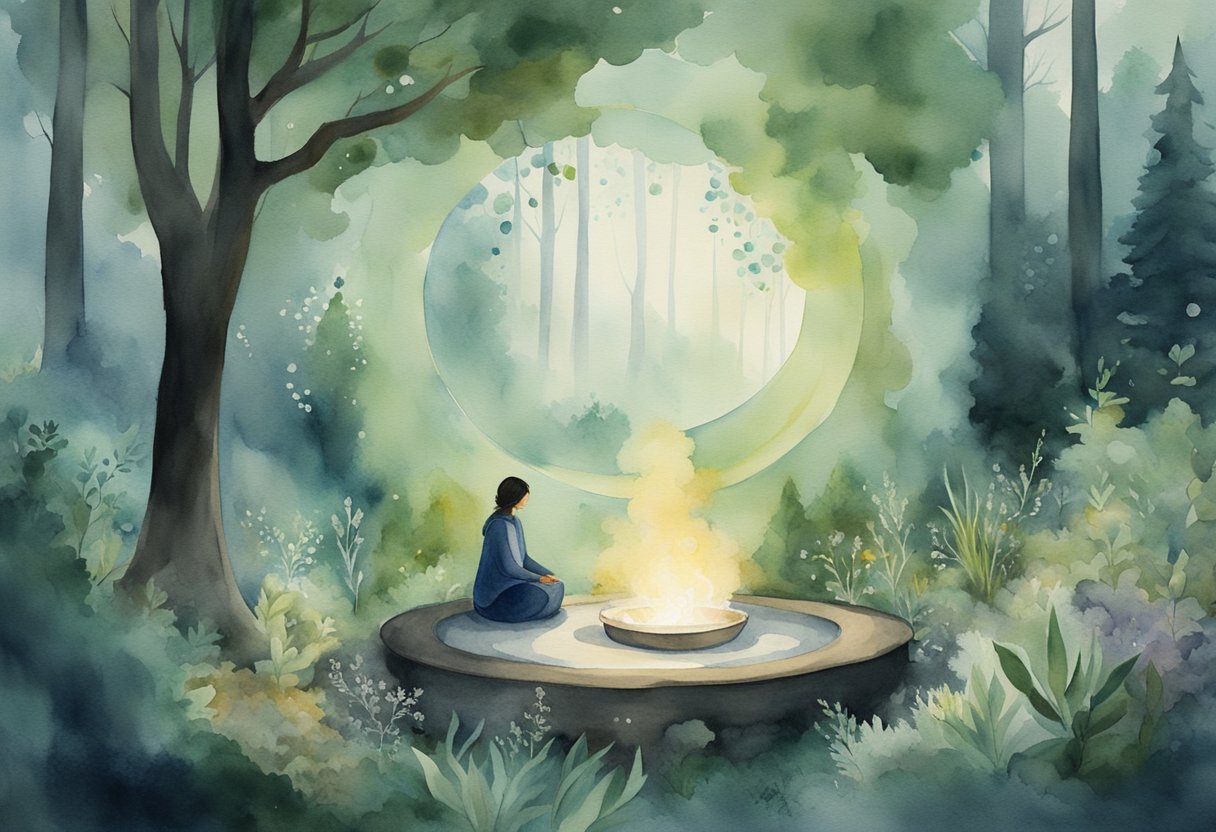
Magic is an arcane art that operates on the premise of connecting with the underlying currents of power that flow through all things. Think of it as a dance with the universe’s hidden energies, a way to align the self with the rhythms of nature. Different magical traditions conceptualize this power differently—some see it as a force akin to electricity or gravity, while others see it as more akin to a living energy that pervades every rock, tree, and stream.
To connect with this power, a magician studies the elements, learns to direct energy, and performs rituals crafted to resonate with specific intentions. It’s not just waving a wand and uttering incantations; it’s the diligent, intentional focus on an outcome and the use of symbols, words, and actions that mirror the desired change in the world.
Devotion in Magical Practice
Devotion in magic isn’t just about repeating rituals or reciting spells—it’s a profound commitment to the magical path. It integrates faith into the practice, turning magic into a transformative journey. Devotional work often involves offerings, consistent worship, or the celebration of certain deities or forces of nature that embody the values or powers a magician seeks to align with.
When a practitioner injects devotion into their work, they aren’t merely performing a task; they are surrendering a piece of themselves to the service of the higher energies or entities they venerate. This act of surrender can unlock deeper layers of power, as faith and intention create a potent bridge between the magician and the focus of their devotion. Whether honoring the elements through ritual or channeling energy through concentrated focus, devotion deepens the connection and enhances the efficacy of their magical endeavors.
Tools and Symbols in Devotional Magic
Significance of Altars
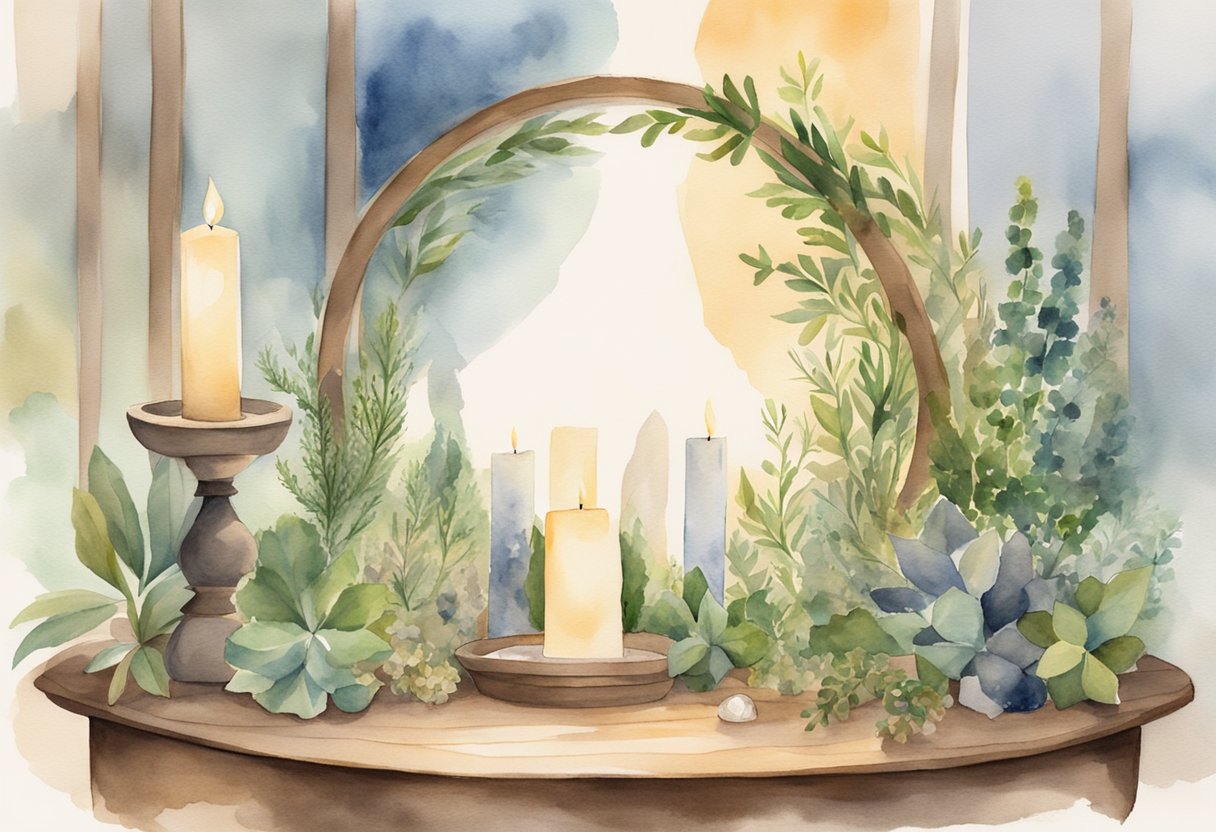
An altar acts as a sacred anchor point in devotional practices. It’s where magic practitioners arrange items of personal and symbolic significance, creating a focal point for their energies. They might utilize elements reflective of their intentions or tradition, ranging from specific colors embodying desired energies to crystals that amplify their work.
Magical Tools and Their Uses
In the dance of spells and spiritual work, different tools come into play:
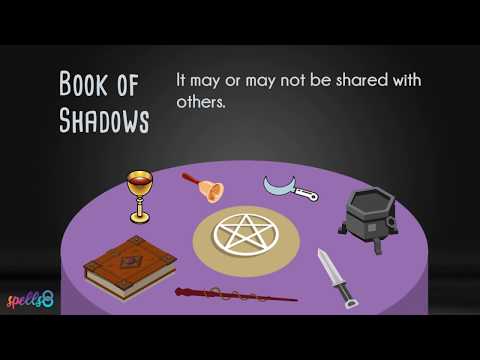
- Wand: Directs energy; a conduit for willpower.
- Athame (ceremonial knife): Channels and cuts through psychic energy, delineating sacred space.
- Chalice: Holds the essence of water, symbolizing intuition and the womb of creation.
- Pentacle: Grounds and protects energy within its five-pointed star.
Magical tools are often personalized, with practitioners sometimes crafting or consecrating them for a unique connection.
Power of Symbols and Sigils
Symbols and sigils are the cryptic language of devotional magic, encoding intentions and drawing on deep archetypes. Utilizing these:
- They scribe sigils with a specific purpose, often combining letters and symbols into an intricate design.
- They adorn their altars and tools with symbols corresponding to desired outcomes, be it love, protection, or prosperity.
Through the strategic use of color, candles, and other color-aligned tools on the altar, the practitioner harnesses color psychology to enhance the potency of their devotional work.
Working with Deities and Spirits

Connecting with Higher Powers
For a modern witch or pagan practitioner, reaching out to higher powers is a pursuit of spiritual alignment and guidance. They often seek to establish a strong connection with gods, goddesses, saints, or other spiritual entities. This connection is typically fostered through meditation, prayer, or active communication during rituals. There’s a belief that such entities can offer insight, aid, and enlightenment to those who properly petition them in their magical workings.
Invocations and Offerings
When it comes to rituals and spells, the art of invocation is crucial. Practitioners may use specific chants, prayers, or verbal calls to draw the attention of a spirit or deity. They approach these beings with respect, seeking their presence and assistance in their magical endeavors.
Offerings are instrumental in building and maintaining relationships with these entities. They can be:
- Incense: A traditional and highly valued offering used to honor spirits.
- Food or libations: Often specific to the entity’s preferences or historical context.
- Candles: Different colors may be used to represent various intentions or aspects of the spirits or deities being addressed.
Through these acts of devotion, they aim to strengthen their bonds with the mystical and to ensure that their magical practices are infused with the potent energies of the divine.
Casting Spells and Ritual Performance

Crafting Effective Spells
Spellwork is a delicate craft where intentions are woven into reality. Crafting an effective spell is not so different from following a recipe—each ingredient and its quantity matters, as does the way they are combined. A spellcaster must choose components that correspond to their goals, visualize the desired outcome vividly, and maintain a clear focus throughout the process.
- Ingredients: Natural elements like herbs, crystals, and symbols are mixed to amplify the spell’s purpose.
- Words: Chants or incantations reinforce the intention, acting as verbal catalysts.
Visualization is key; a spellcaster should envision their goal with as much detail and emotional depth as possible. This mental imagery helps to charge the spell with energy, bringing the caster’s intentions to a focal point where thought transforms into reality.
Ritual Timing and Alignment
The effectiveness of rituals often hinges on their timing and alignment with larger cosmic forces. Aligning spellwork with phases of the moon can enhance a spell’s power—full moon phases, for example, are ideal for spells centered on completion or fruition due to their association with the peak of lunar energy.
Let’s break down some time-based alignments:
- Full Moon: Perfect for spells related to manifestation, healing, and charging magical items.
- New Moon: Suited for beginnings like new projects or the start of a journey.
- Waning Moon: Ideal for banishing and warding off negativity.
- Waxing Moon: Best for building things up, such as attraction spells or increasing wealth.
Rituals may also incorporate daily practices that continuously affirm and strengthen the caster’s intentions. A morning meditation ritual, for instance, can set a focused tone for the day, enhancing a person’s magic with intentionality.
Creating Sacred Space and Protection

Establishing a Sacred Space
A sacred space serves as a personal sanctuary where one can attune to the energies of their magical work. It’s a spot where the veil between the mundane and the mystical thins, allowing for a deeper connection with the divine or the energies being worked with. The altar is often the focal point of this space, a physical representation of one’s intentions and spiritual path.
- Choosing a location: It should resonate with the individual, whether indoors or connected to natural elements like earth, land, or sea.
- Cleansing the area: Regularly using incense, sound, or energy work to remove any residual negativity.
Incorporating objects that hold significance, such as symbols of the elements, sentimental items, or tools of one’s practice, personalizes this space. Meditation helps in imbuing the area with intention and purpose, thus consecrating it.
Protection and Warding Methods
As important as it is to create a sacred space, safeguarding it is equally vital. Protection methods act as barriers against unwelcome energies or intentions that might disrupt the practitioner’s work or space.
- Visual barriers: They use visualization techniques, envisioning shields or spheres of light surrounding the sacred space.
- Physical barriers: These might include salt lines, protective herbs, or stones strategically placed around or on the altar.
- Calling on the elements: Many traditions involve invoking the powers of earth, air, fire, water, or spirit for protection.
- Warding symbols: Symbols with a historical or personal protective significance etched or placed around the area deter negative influence.
Routine reaffirmation of these protective measures maintains their strength. Examine them regularly, especially before engaging in any significant ritual work, to ensure the integrity of the protective boundaries.
Personal Empowerment through Magic

Self-Discovery and Spiritual Alignment
In the mystical practice of magic, self-discovery is the bedrock upon which personal empowerment is built. Practitioners often find that through meditation and visualization, they can achieve greater spiritual alignment. By honing their focus and delving into their inner selves, magicians may experience revelatory insights. These moments of clarity often manifest as a sensation of grace, marking significant strides in their spiritual journeys.
Developing Magical Knowledge and Intellect
The pursuit of magical knowledge can be as empowering as the spells and rituals themselves. To deepen their power, magicians invest time in studying the intellectual aspects of their craft. They may explore a variety of resources to enhance their understanding and sharpen their magical practices. Empowerment within magic also comes with the mastery of techniques that allow them to wield influence in their environment, thus shaping their reality more effectively.
Cultural Perspectives and Historical Context
Historical Magic Practices
In history’s grand theater, magic has often snagged a leading role. It’s not just about pulling rabbits out of hats; rather, it’s a profound expression of faith and connection to the divine. Ancient Egyptian priests, for instance, performed elaborate ceremonies they believed could summon the favor of the gods. Fast forward to the Middle Ages, where alchemists combined elements of science and mysticism in their quest to transmute base metals into gold, an endeavor symbolic of spiritual purification.
- Ancient Civilizations: Both feared and revered, shamans and witch doctors were pivotal in guiding the spiritual and physical well-being of their communities.
- Medieval Alchemy: Often cloaked in secrecy, these practices aimed at both earthly and heavenly transformation.
Cultural Influences on Devotional Work
Culture weaves a complex web when it comes to magic and devotional work. Each society lends its own flavor to the practices. Pagan traditions, for instance, honor a pantheon of deities through seasonal festivals and rituals tied to the natural world, poignantly reflecting humanity’s longstanding desire to align with those ethereal forces.
- Witchcraft and Paganism: Deeply intertwined with nature and fertility cycles, these practices form an enduring aspect of devotional work.
- Faith and Tradition: Varying widely across cultures, the specifics of devotional work are but a mirror to the values, history, and mores of a people.
The magic of human belief is as old as history itself, and it continues to cast a spell over one’s quest for the mystical and the transcendent. Through rituals and reverence, individuals across the globe forge a sacred bridge between the earthly and the divine.
Ethical and Moral Considerations
Magic and Morality
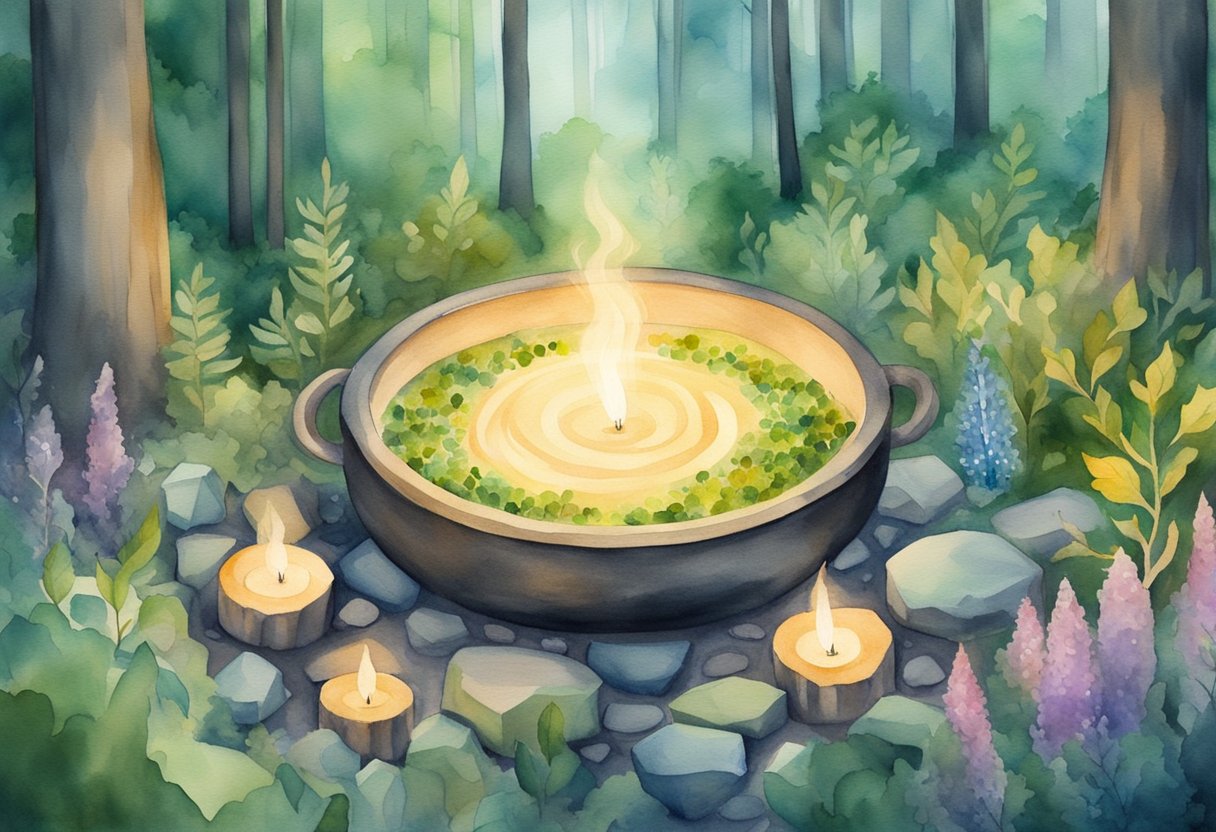
When practitioners engage in devotional magic, it’s essential they align their actions with a strong moral compass. Every spell cast or ritual performed should stem from a place of good intention and a desire for positive outcomes. The practitioner’s morality is not only a personal matter but also a reflection of the larger spiritual community. Misuse can lead to questions of integrity and the potential for harm.
Morality pipoints:
- Always act with the best intentions.
- Understand the impact on oneself and the community.
Consequences and Responsibilities
Devotional practices require taking responsibility for the consequences that follow one’s actions. Whether invoking spirits or performing rituals, there is a delicate balance between service and self-gain. Practitioners must be aware of their motivations, recognizing that actions driven by selfish desires can lead to unintended negative outcomes. It’s not just about what one gets, but also about what one gives back, often in the form of service or gratitude.
Responsibility highlights:
- Consider the outcome for all affected – will it cause harm or heal?
- Embrace gratitude as an ethical cornerstone of practice.
In devotional magic, the theological underpinnings of ethics and morality play a crucial role. They ensure that a practitioner is held accountable, as their work is not only in service to themselves but also to the higher forces they revere. The intertwining of ethics, morality, intention, and responsibility highlight the mystical journey’s weight and the depth of commitment required of those who walk this path.
