Witchcraft, a term loaded with centuries of misconception, is often portrayed as a dark and malevolent force. Historically, its portrayal has been deeply entwined with fear and the unknown, leading to harmful stereotypes about those who practice it. Today, however, there’s a movement afoot to dismantle these stereotypes, showcasing witchcraft not as a means to malevolent ends, but as a complex, spiritually rich practice that connects deeply with nature and the elements.
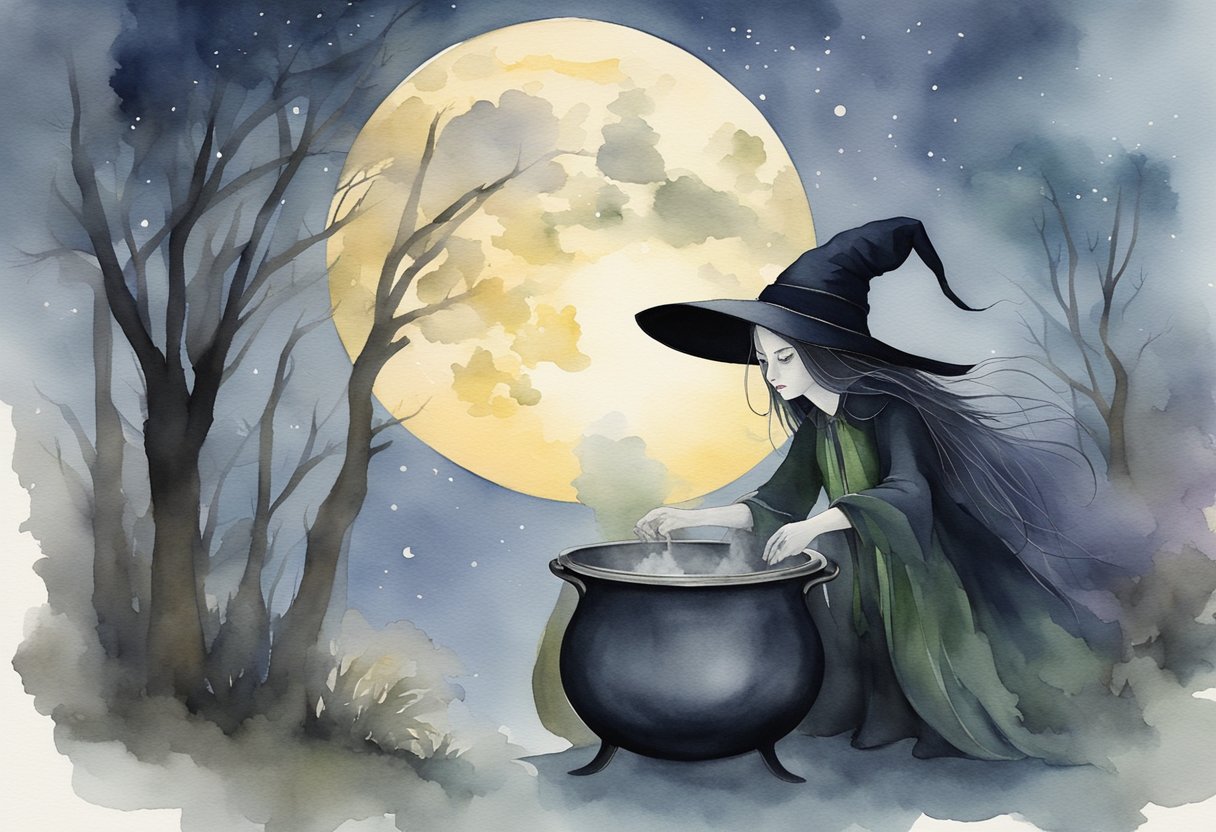
Too often, pop culture paints witches as broom-riding, cackling figures of mischief or evil. Yet, the reality of witchcraft is far from this caricature. Real-life practitioners of witchcraft use their craft as an expression of empowerment, embracing a profound respect for the natural world and using their knowledge to enhance personal and communal wellbeing. This shift from fiction to reality is changing public perceptions, allowing many to see witchcraft in a new light – one that emphasizes its role in self-discovery, community building, and harmony with the environment.
The reclamation of the witch archetype is also deeply linked to issues of gender and power. Throughout history, accusations of witchcraft have disproportionately targeted women, often as a means of exercising control or punishing non-conformity. In reframing witchcraft, activists and practitioners are highlighting its significance as a symbol of resistance against patriarchy and a path to rediscovering individual identity and strength.
Key Takeaways
- Witchcraft is being reinterpreted in contemporary society, challenging historical stereotypes.
- Modern witchcraft emphasizes connection to nature and community empowerment over outdated negative imagery.
- The practice serves as a symbol of empowerment and resistance, particularly regarding gender and power dynamics.
[su_button url=”https://amzn.to/4iB8iJY” background=”#a62def” color=”#ffffff” size=”10″ icon=”icon: magic”]Shop Witchy Supplies[/su_button]
Historical Context of Witchcraft Stereotypes
Witchcraft stereotypes have been shaped by centuries of myth, misunderstanding, and fear-mongering. This section peels back the layers on these stereotypes by taking a look at their historical roots and how they’ve persisted into modern times.
From the Witch Trials to Modern Misconceptions
In Medieval Europe, the witchcraft stereotype was deeply influenced by a treatise called the Malleus Maleficarum. This book, published in 1487, argued that witchcraft was a real and present threat. Witch trials across Europe and America often targeted individuals who deviated from social norms, fueling the myth that witches were evil-doers working against the common good.
- Witch Trials: Included a variety of methods to prove guilt, often relying on confessions obtained under torture.
- Stereotypes: Developed from these trials, painting a picture of witches as predominantly female and capable of heinous spells and pacts with the devil.
These ideas didn’t just fizzle out; they morphed and clung to the fabric of society, evolving into the modern misconceptions we see today. Suggestive of inherent evil or harm, they ignore the diverse and often positive nature of witchcraft practices.
Cultural Impact of the Salem Witch Trials
The Salem witch trials of 1692 represent a notorious chapter in the history of colonial America, where mass hysteria led to the death and imprisonment of many accused of witchcraft. They left a mark on the collective memory and provided a template for the ‘witch hunt’ stereotype:
- Accused: More than 200 people, with 20 executed.
- Legacy: Fuels sensationalized and distorted images of witchery within popular culture.
These trials often epitomize how fear can lead to tragic injustice, casting long shadows over the perception of witches and witchcraft. Despite this dark history, modern interpretations increasingly challenge these old narratives, aiming to shed light on the true essence and diversity of witchcraft.
Representation of Witches in Popular Culture

The Halloween Archetype
Every October 31st, trick-or-treaters don costumes of witches clad in pointy hats and black robes, with black cats often purring at their side. Halloween commercializes an image that stems from medieval fears and the macabre. It’s a vision where witches brew potions and cast spells, and their means of transport? The trusty broomstick. This recurring seasonal portrayal ensures that these stereotypes remain etched in popular memory.
Witches in Movies and Television
When the cameras roll, witches have danced through varying portrayals — from the sinister to the benevolent. In earlier decades, films like “The Blood on Satan’s Claw” painted witches as temptresses and figures of horror. Fast-forward to the present, and you’ll see a cinematic evolution. Movies such as “The Wicker Man” and others push past the cackling crone image, presenting more complex characters. These witches no longer fit snugly into the mold of the 17th-century uneducated outcast; they’re shown as individuals with depth, capable of learning and mastery over their craft. One might notice that witches on the silver screen have become as varied as the actors who portray them, mirroring the diversity and complexity of real-life practitioners.
Reframing Witchcraft: Reality Vs. Fiction
Contemporary Practices of Witchcraft
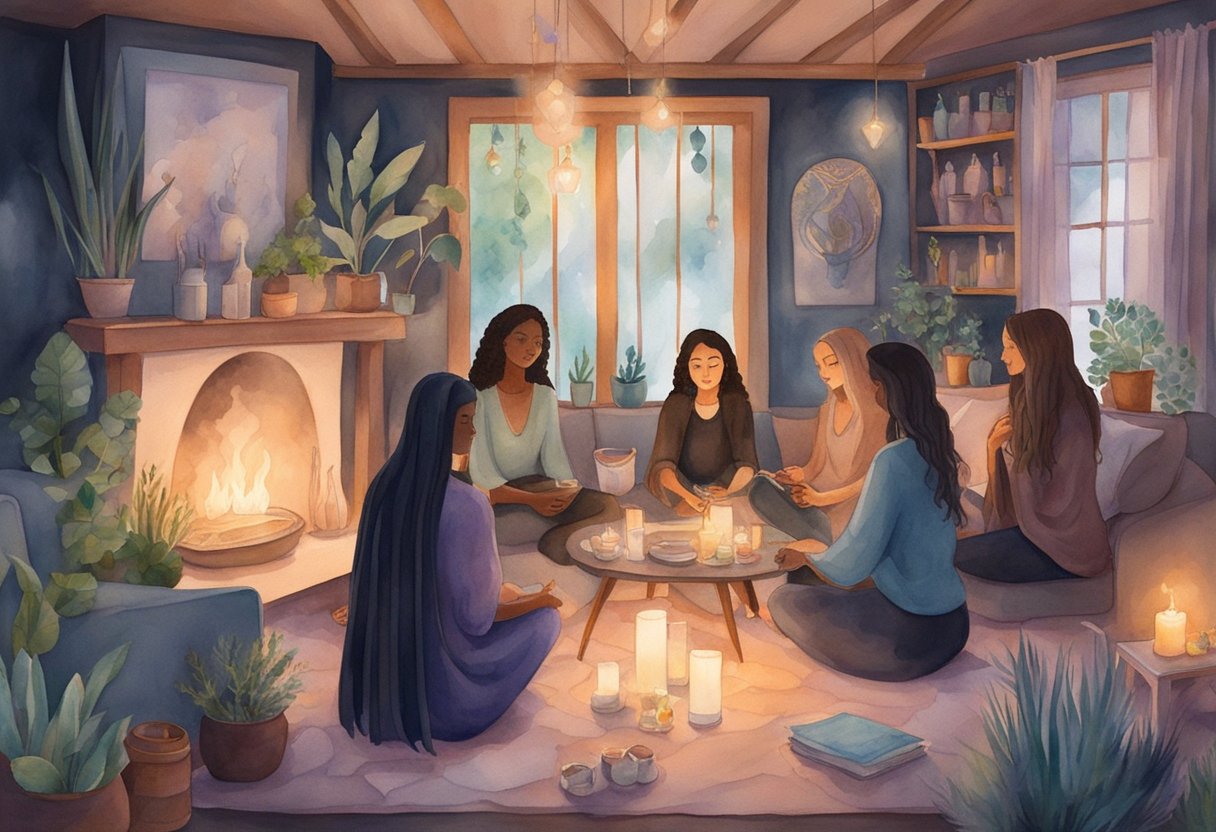
In the 21st century, those practicing witchcraft often identify with Wicca or other forms of modern Paganism. They engage in rituals that honor the cycles of nature, the phases of the moon, and seasonal changes. Contemporary witchcraft is known for its emphasis on the empowerment of the self, connection to nature, and personal growth. Practitioners might celebrate Sabbats and Esbats, which are festivals marking significant times of the year based on an Earth-centered calendar.
- Sabbats: Festivals that celebrate the Earth’s journey around the sun.
- Esbats: Rituals aligned with phases of the moon, often celebrated monthly at the full moon.
Rituals in contemporary witchcraft vary widely:
- Solitary practitioners might focus on meditation, small personal ceremonies, or nature walks.
- Covens gather to perform group rituals, which may include chanting, drumming, or ceremonial magick.
Witchcraft as a Belief System
Witchcraft isn’t just a set of actions; it’s deeply rooted in a belief system that values spirituality and the interconnectedness of all life. Belief systems within the witchcraft community may vary significantly, with some drawing on ancient mythologies and others forging new paths that honor personal connections to the divine.
Witchcraft often involves a pantheon of gods and goddesses, with adherents choosing deities from a variety of cultural backgrounds. Many practitioners also hold a strong belief in the concept of karma and the “Threefold Law,” which states that whatever one puts out into the universe, positive or negative, will return to them threefold.
- Pantheism: Viewing nature as a manifestation of the divine.
- Animism: The belief that all objects, places, and creatures possess a distinct spiritual essence.
Above all, modern witchcraft is about finding one’s path and embracing the mystical journey of self-discovery.
The Intersection of Witchcraft, Gender, and Power

Unraveling the complex ties that bind witchcraft to gender and power exposes a history where societal norms heavily influenced the perception of wise women and sorceresses.
Feminism and Witchcraft
In modern times, witchcraft has seen a resurgence through the lens of feminism, providing a source of empowerment for many. It’s woven into feminist discourse as an emblem of female autonomy and resistance against patriarchal norms. Witchcraft assumes a new identity in the feminist narrative, transforming the image of the witch from a malevolent being into a symbol of wisdom, strength, and liberation.
The Role of Gender in Witchcraft Perceptions
Historically, gender played a pivotal role in crafting the image of the witch. In the era of witch hunts, mostly women found themselves accused of malevolent sorceries, a stigma that has echoed through the ages. Perceptions of gender and power were manipulated to paint these women as threats, often due to their non-conformity to the assigned domestic roles. This patina of fear cast on “wise women” was systematically used as a tool to maintain and exert control, highlighting the gender-based dynamics embedded in the practice and persecution of witchcraft.
Witchcraft and Its Connection to Nature and the Elements
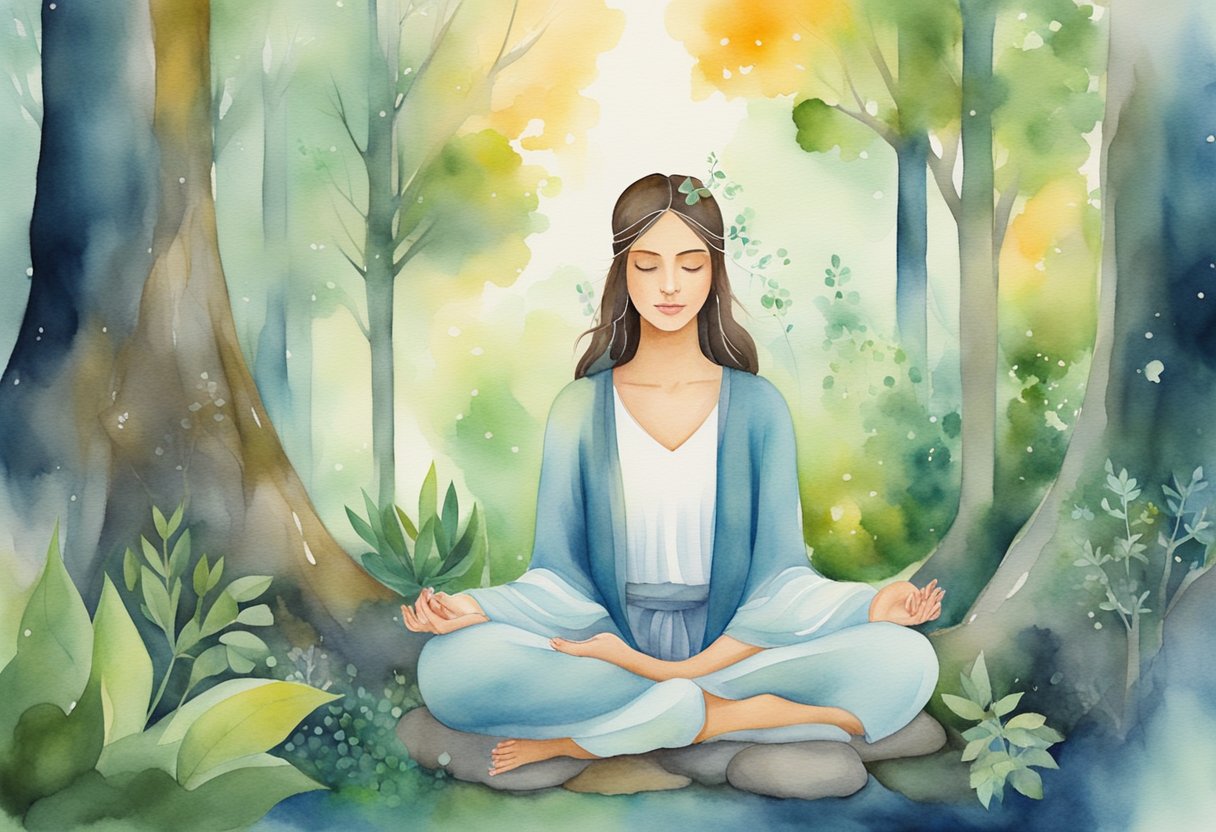
Witches honor the natural world by integrating the elements – earth, air, water, fire – into their rituals, recognizing the intrinsic energy within nature and the changing of the seasons.
The Significance of Natural Elements in Rituals
The elements serve as foundational symbols in witchcraft practices. For instance, water may be used for purification, reflecting its cleansing properties. Earth symbolizes stability and is often represented by crystals and stones, which are believed to hold specific energies and powers. In rituals, practitioners may use air to signify communication and intellect, often through the burning of incense that carries intentions upward. Fire, seen as transformative, can be utilized in the form of candles to channel energy and signify life force.
Eco-Spirituality and Witchcraft
Many witches view their craft as deeply intertwined with eco-spirituality, which celebrates the sacred connection between living beings and the environment. They frequently observe the seasons and lunar cycles, adjusting their practices to align with these natural changes. The belief in the earth as a living being imbues their craft with a sense of sacred interaction with all forms of life, emphasizing a harmonious balance and reverence for the natural world.
[su_button url=”https://amzn.to/4iB8iJY” background=”#a62def” color=”#ffffff” size=”10″ icon=”icon: magic”]Shop Witchy Supplies[/su_button]
