
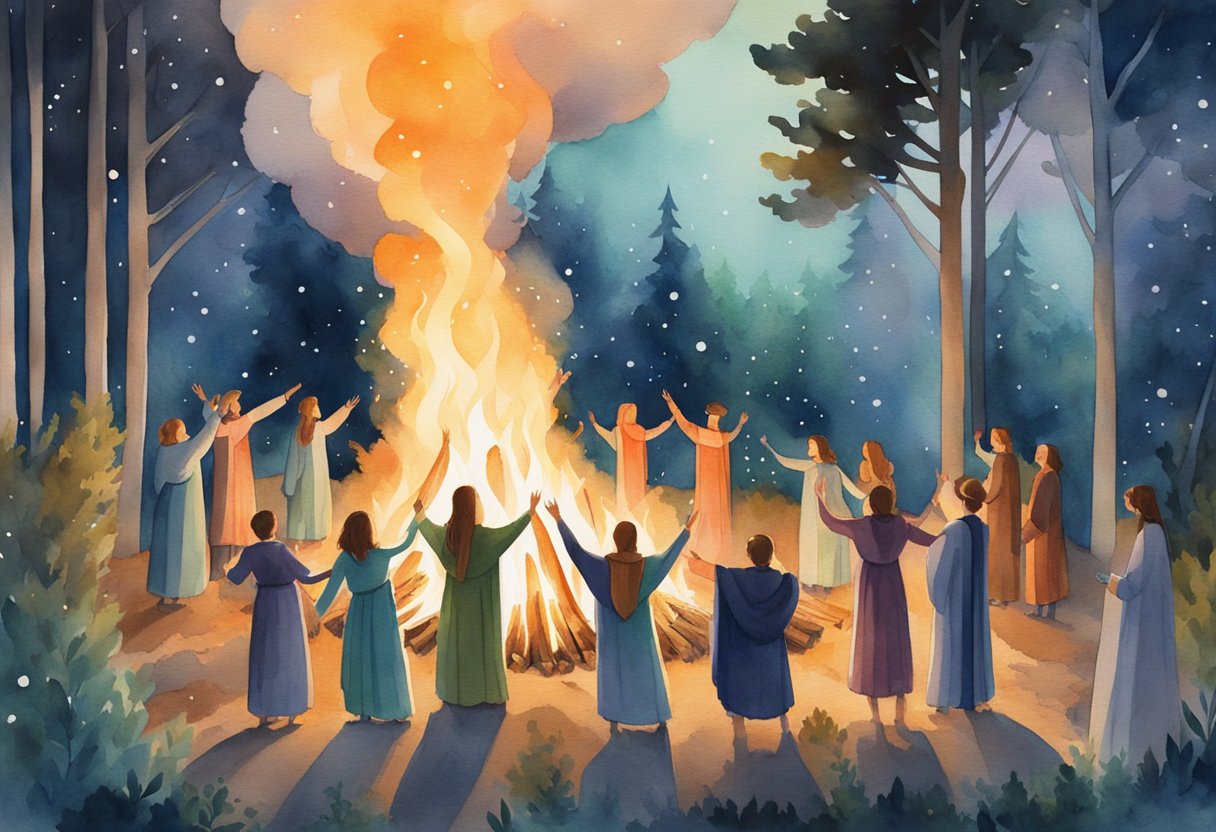
As the Wheel of the Year turns, Wiccans and other Pagans mark significant milestones in the cycle of seasons with sabbats, or holy days. Among these, Samhain holds a place of prominence as it celebrates the end of the harvest and heralds the beginning of the darker half of the year. Traditionally observed from October 31st to November 1st, Samhain is a time enveloped in mystery and remembrance, with deep roots stretching back to ancient Celtic festivities.
In the hallowed tradition of Wicca, Samhain is more than just a festival; it is a heartfelt rendezvous with the spiritual realm. This sabbat is considered the Celtic New Year, a moment when the veil between the world of the living and the world of spirits thins to gossamer, allowing for heightened connection, reflection, and divination. The practices of this day are infused with the intent to honor ancestors, partake in the last harvest’s bounty, and prepare for the introspective winter ahead.
Key Takeaways
- Samhain marks a significant transition into winter within the Wheel of the Year.
- This time holds space for honoring the dead and the thinning of the veil between worlds.
- It encompasses traditions that include feasting, introspection, and rituals to harness wisdom.
Historical Roots of Samhain

Origins in Celtic Traditions
Historically, Samhain is the brainchild of the ancient Celts, marking a pivotal juncture in their agrarian calendar. The eve of October 31st until the night of November 1st was seen as a threshold, a time when the veils between the worlds of the living and the dead thinned to gossamer. During this liminal interval, they believed that the spirits of ancestors could intermingle with the living. This period was not solely about remembrance but also celebrated the finality of the harvest, bidding farewell to the bountifulness of summer before winter’s cold embrace. Samhuin, as it was known in the Old Gaelic tongue, encapsulated these dual themes of harvest completion and honor for the departed.
Transformation into Halloween
As centuries unwound like threads from history, Samhain underwent a spiritual metamorphosis, which today illuminates doorsteps as Halloween. The conversion began with the early Christian Church, which sought to overlay pagan festivities with its own commemorations. All Saints’ Day, or All Hallows Day, arose in the same thematic space, venerating saints and martyrs on November 1st. The evening prior thus became All Hallows Eve—Halloween’s very namesake. The Celtic customs of donning disguises and lighting bonfires, devised to ward off roaming spirits, evolved into today’s tradition of costumes and jack-o’-lanterns. While transformed, the heart of Samhain beats on within modern Halloween, echoing a history that bridges ancient rites with contemporary celebrations.
Spiritual Significance
The Veil Between Worlds
At Samhain, the veil that separates the physical realm from the spirit world is at its thinnest, a diaphanous curtain fluttering in the cosmic wind. Practitioners believe this is the optimal time for connecting with the spiritual realm, where messages and signs pass through with greater ease. The thinning of the veil during Samhain offers a unique opportunity for heightened spiritual communication and insight.
Death and Rebirth
Samhain is intimately tied to the cycle of death and rebirth. It encapsulates the end of the harvest and the beginning of winter, symbolizing the final stages of life on Earth before rebirth occurs. This natural rhythm echoes the belief in the cyclical nature of existence, where endings are merely preludes to fresh beginnings. Through rituals and meditations, adherents reflect on this transition, gaining wisdom from the cycle’s eternal loop.
Honoring the Deceased
For Wiccans, Samhain is a solemn time to honor ancestors and deceased loved ones. It’s common to perform rituals that pay respect to those who have passed on, acknowledging their enduring presence in life. The thin veil allows for a deeper connection with ancestors, making it a powerful moment for remembrance and spiritual communion. Tables may be adorned with photographs, heirlooms, and favorite foods of the departed as tokens of reverence.
Traditional Samhain Practices

Rituals and Ceremonies
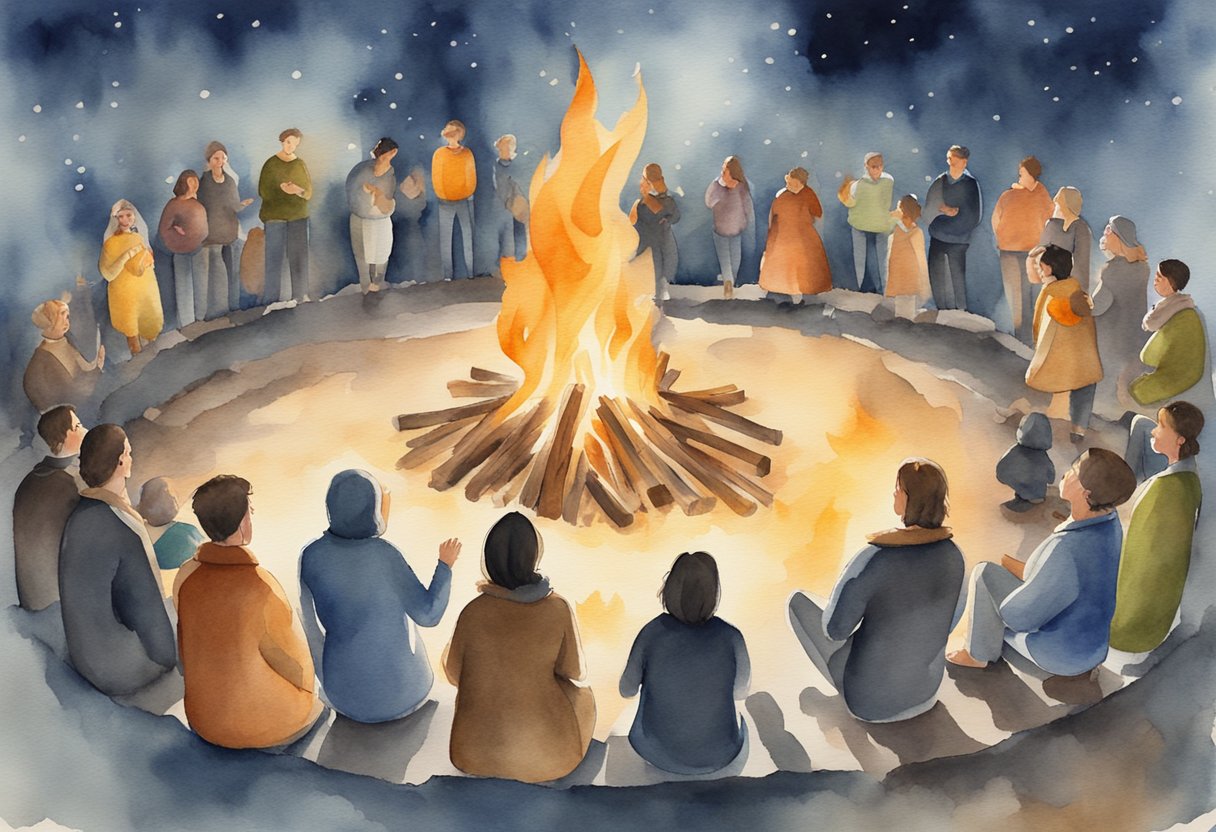
Samhain is adorned with meaningful rituals and ceremonies. A central feature is the Bonfire, an echo of ancient fires that signified the warmth of life sustaining people through the dark winter. Participants often cast symbols of their baggage or the past year’s troubles into the flames, allowing the fire to transmute sorrow into hope.
Silent Suppers are held where a place at the table is set for the departed, an offering of love and remembrance. The meal typically begins with a moment of silence, inviting ancestors to join in the feast, and to communicate through the subtle languages of spirit.
Divination Techniques
With the veil between the worlds seen as thinnest on Samhain, divination becomes a prominent tool. Practitioners may employ Tarot cards, seeking insight for the year ahead or messages from the spiritual realm. Each draw of the cards serves as a story unfolding, guiding seekers through the past, present, and future.
Apple Peeling is another traditional form of divination where the peel, thrown behind one’s shoulder, is believed to reveal the first letter of a future lover’s name. This simple act connects the mundane to the mystical, symbolizing the unknown fruits of the future that await.
Samhain Altar and Symbols
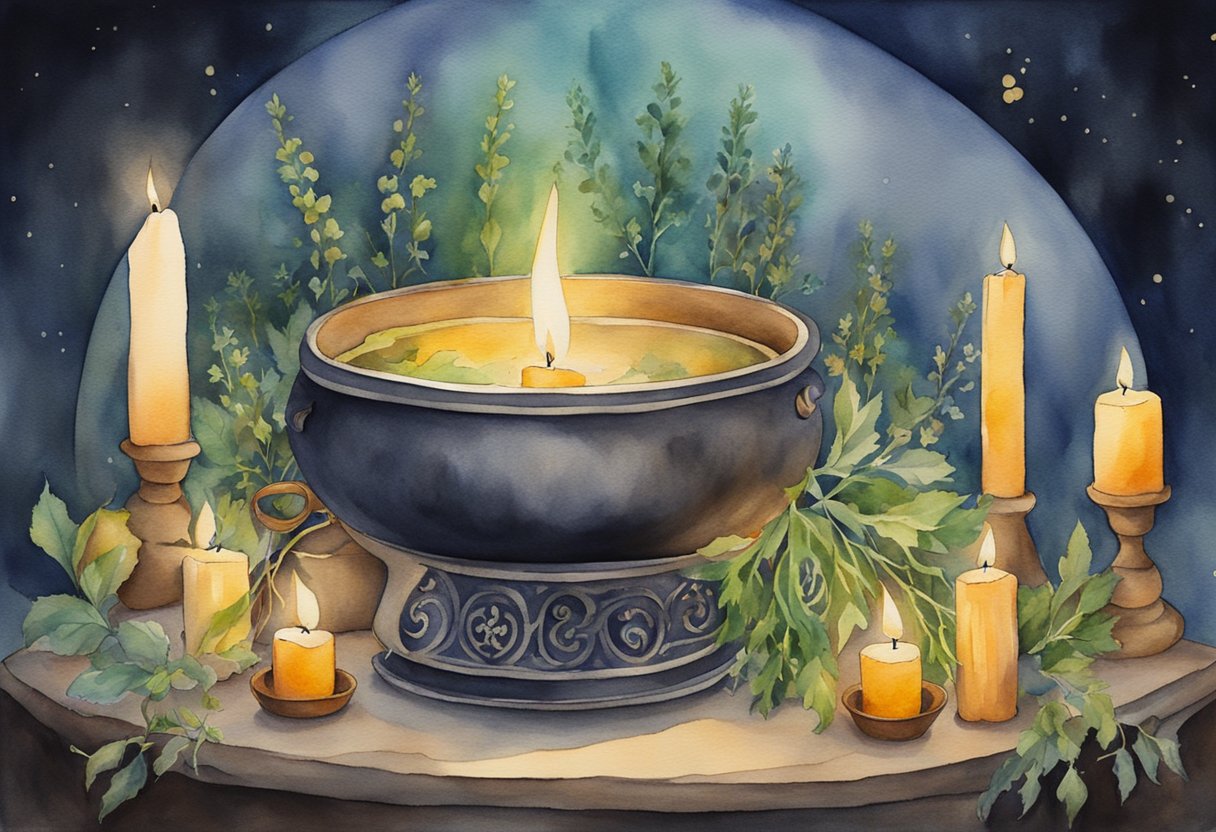
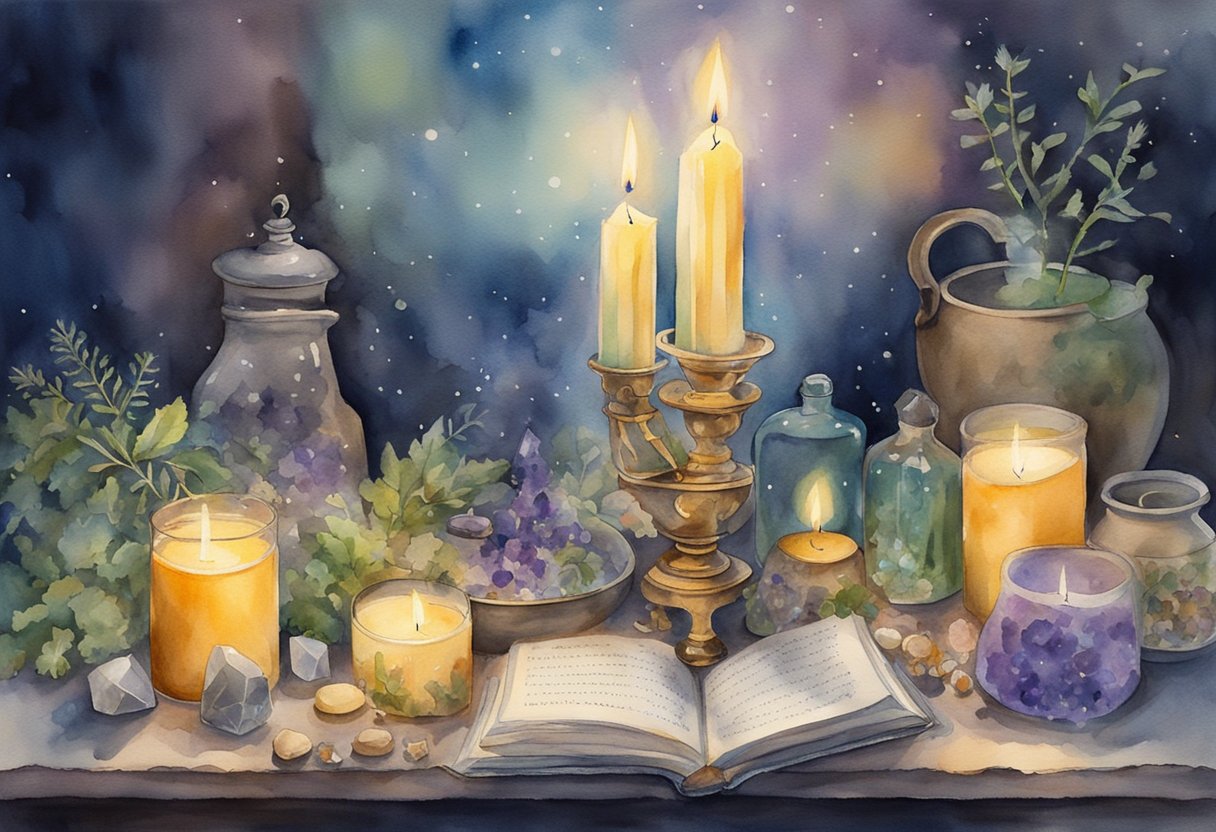
Samhain altars serve as sacred spaces, reflecting themes of death and rebirth, with a variety of symbols to represent the essence of the holiday. Candles, strategically placed, illuminate the altar, their flickering flames dancing reflections of lives that have burned brightly and passed on.
- Traditional Foods: Items such as apples and nuts may grace the altar, representing the final harvest.
- Symbols of Divination: Tarot cards or crystals can be arranged to invite spiritual clarity.
- Ancestral Honors: Photographs or heirlooms from loved ones are often displayed in tribute.
- Natural Elements: Bones or skulls symbolize the cycle of life and death and the connection to those who walked the path before.
This altar stands as a testament to the season’s duality, embracing both the finality of death and the promise of new beginnings.
Samhain in Modern Paganism
Wiccan Celebrations
Wiccans honor Samhain as the final harvest, embracing it as the Witches’ New Year and a moment to honor the cycle of life and death. Common rituals and ceremonies include:
- Ancestor Reverence: Setting up altars with photos and belongings of the deceased.
- Divination Practices: Using tarot cards, runes, or scrying to glimpse into the future.
Community and Public Events
Samhain gatherings stitch the community fabric, weaving together Pagans from all walks of life. Events are often characterized by:
- Public Rituals: Held by covens or pagan groups, including bonfires and communal feasting.
- Costume Processions: Donning costumes of witches, pukah, or dullahan to embody the playfulness of spirits.
Personal Practices and Beliefs
In their own sanctuaries, Pagans delve into personal reflections and traditions:
- Private Rituals: Lighting candles or writing to loved ones who have passed.
- Altar Creation: Dedicate a space in the home for symbols of the season, such as pumpkins, apples, and photographs of ancestors.
Seasonal Connections and Correspondences
Alignment with the Natural World
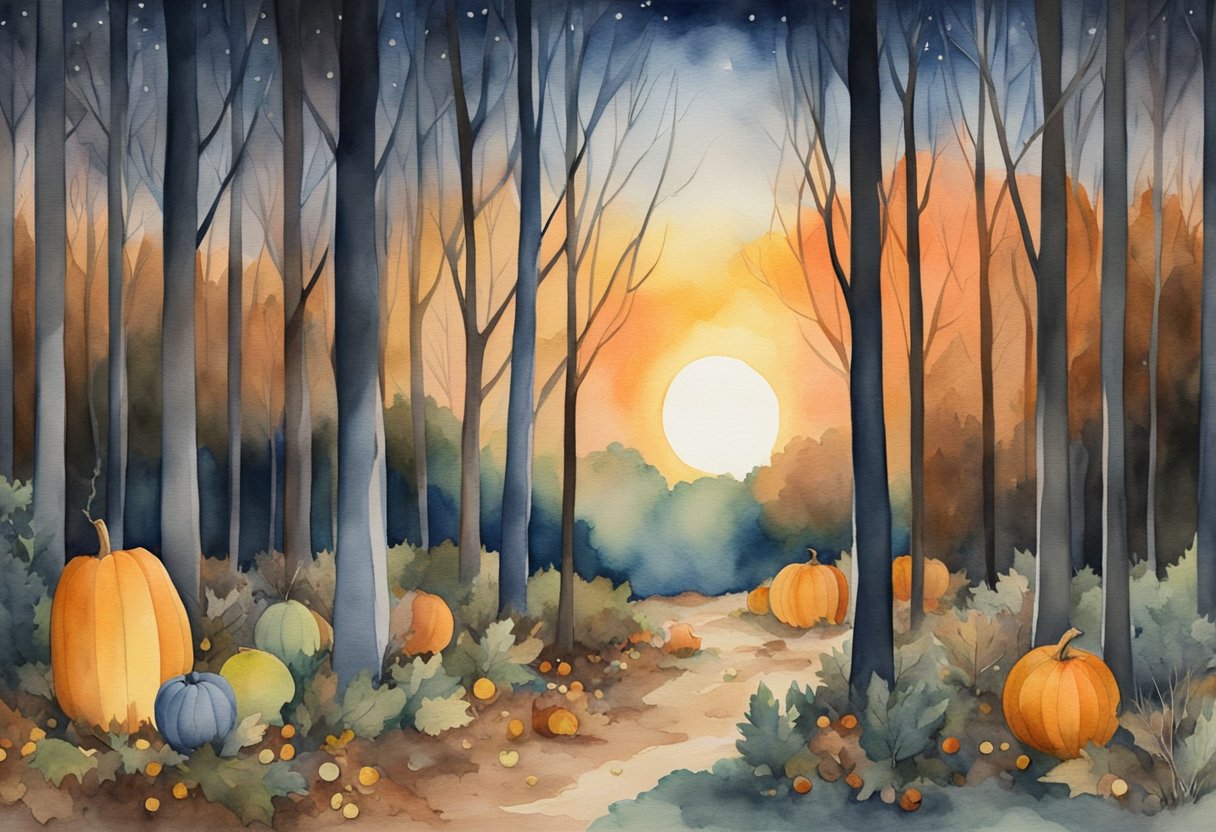
As the Wheel of the Year makes its inevitable turn, Wicca practitioners align with the ebbing life force of nature. Samhain marks the point when the boundary between worlds is at its thinnest, allowing an unparalleled connection with the spiritual realm. This is a time when one might honor deities such as the Crone Goddess or the Horned God, who encompass the transformation of decay into fertile ground for new life.
Festival of Harvest
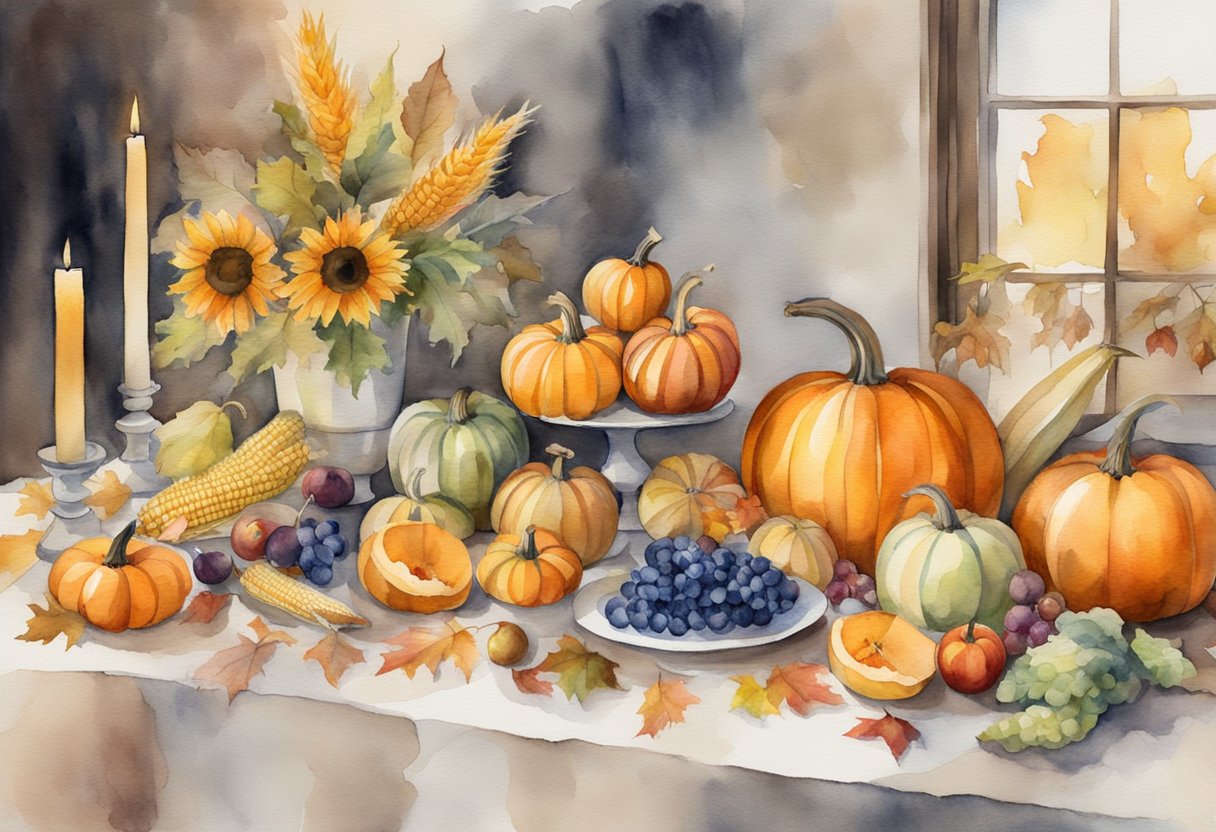
Samhain heralds the final act in the symphony of the harvest season. This is the third harvest, a time when the earth offers the last of its bounty—fruits and vegetables find their way to tables in a celebration of prosperity and gratitude. Symbols such as pumpkins and sheaves of wheat may festoon altars, representing the fruits of hard-earned labor now coming to rest.
Preparation for Winter
As the last leaves surrender to autumnal gusts, individuals prepare for the reflective quiet of winter. Stockpiles burgeon with preserved foods, while spiritual insights are sought to sustain one through the darker months. Samhain’s energies help to fortify the soul, urging followers to gather not just their physical harvest but also the wisdom needed for the inward journey of the colder season.
Customary Foods and Decorations
Feast of the Dead
One’s ancestors and the ongoing cycle of life and death are central to Samhain, often observed through a vibrant Feast of the Dead. Tables come to life with traditional foods that include:
- Meats: Especially those that come from animals associated with the holiday, symbolizing the harvest and the reverence for wildlife.
- Herbs: Rosemary for remembrance, as well as other seasonings that enrich the senses and evoke the earthiness of autumn.
- Fruits: Apples and pomegranates, cherished for their connections to life and fertility, often make an appearance during the feast.
- Pumpkins: Carved or whole, these staples represent the heart of the harvest.
Autumnal Symbols
Samhain decorations are rich with Autumnal Symbols, reflecting the deep spiritual meaning of the season:
- Turnips and Pumpkins: Historically carved into jack-o’-lanterns to ward off spirits or to light the way for them, they have now become iconic.
- Apple: Integrated into various decor, from wreaths to centerpieces, an apple often acts as a symbol for wisdom and the magic of nature.
The adornments and offerings made during Samhain are not mere festivities; they’re deeply woven into the spiritual fabric of the season, enveloping those who partake in a warm, respectful ambiance that pays homage to the cycles they hold dear.
Reflection and Spiritual Work
Meditation and Introspection
In the heart of the Samhain season, the thinning veil between worlds beckons the soul to look inward. Meditation provides the still waters for practitioners to gaze into their inner depths, illuminating the shadows where wisdom resides. Lists of introspective inquiries might unfurl like night’s velvet canopy, each star a question sparking personal insight:
- What lessons has the year bestowed upon their spirit?
- How have the now-waning rays of the sun nurtured their growth?
Through meditation, individuals may reflect on these queries, letting silence be the canvas upon which insights are painted.
Setting Intentions for the New Year
Samhain heralds the end of the old and the whispers of the new year’s embrace. It is a time to cast forth intentions, planting them like seeds in winter’s fertile dark. The intentions one sets now carry the promise of gestation through the cold months, ready to burst forth at the first breath of Yule, the winter solstice.
Table: Samhain Intentions Setting Guide
| Focus Area | Intention Example | Reflective Question |
|---|---|---|
| Personal Growth | “I intend to nurture my resilience.” | How can they foster inner strength during times of stillness? |
| Spiritual Practice | “I shall deepen my connection with the divine.” | In what ways might the quiet of winter amplify their spiritual attunement? |
When setting goals for the new year, they may consider their journey around the sun like the phases of the earth—each holding a purpose, a beauty, and a challenge. The act of setting intentions calls upon practitioners to weave their aspirations of impending winter solstice magic.
The Role of Magic
Spells and Protection
During Samhain, practitioners often cast spells to ward off negative energies and to honor the cycle of life and death. Protection spells might include lighting black and white candles to repel negativity and attract peace. Wiccans may carry talismans, like a small bag of protective herbs, each selected for their safeguarding properties. The ritual acts serve as beacons, guiding the spirits to the light and keeping malevolent forces at bay.
- Protection Herbs:
- Sage – for purification
- Salt – for grounding
- Mugwort – for psychic vision
Divination and Future Sight
The veil between realms becomes most transparent at Samhain, lending unparalleled clarity to divination practices. Witches might gaze into crystal balls or scry into dark waters to catch glimpses of future tides. Tarot readings become more profound, as each card drawn holds the mysteries of fate’s uncharted dances. By focusing on future sight, they seek out patterns and paths that might emerge in the year to come.
- Divination Methods:
- Tarot Cards
- Runes
- Scrying Mirrors
