
In the realm of witchcraft, the concept of a familiar is as enchanting as it is ancient. These mystical companions have journeyed alongside witches, offering their support and presence through various magical practices. Often embodying the forms of animals, familiars are believed to possess a spiritual connection that transcends the physical realm, acting as guides, protectors, and assistants in rituals. The history of familiars is deeply intertwined with the traditions of magic, where they have been both revered and misunderstood.
The bond between a witch and their familiar is both sacred and personal. It’s a union that symbolizes a harmony between the natural and the supernatural. While the archetypical black cat is frequently recognized as a witch’s companion, familiars can manifest as a myriad of creatures, each with its own unique spiritual significance. They are thought to be sentient beings with their own will and personality, enhancing a witch’s power and serving as a reflection of their soul’s journey.
Key Takeaways
- Familiars are integral to witchcraft, serving as spiritual companions to witches.
- These entities enhance magical practices and reflect the witch’s inner self.
- Building a relationship with a familiar involves deep respect and understanding.
Historical Context of Witches’ Familiars

Ancient Traditions and Myth Origins
Ancient Egypt sets the stage for the earliest connections between mystics and their animal aides. In these lands, the goddess Bastet, depicted as a cat or a woman with a feline head, was venerated. She represented protection, fertility, and was often considered a guardian spirit, hinting at the earliest concepts of familiars. These associations laid down the mystical groundwork, intertwining animals with spiritual entities. Additionally, ancient mythologies around the world teem with tales of demons, spirits, and mythological creatures acting as companions or helpers to humans, echoing the idea of familiars.
Middle Ages and Witch Trials
During the Middle Ages, the notion of familiars spiraled into a darker connotation, especially in Europe. Witch trials became rampant, where familiars were seen as demons or evil spirits granted by the Devil to assist witches in their sorcery. This period cemented the image of familiars as malevolent beings, aiding in harmful acts against others. Despite the profound fear and misunderstanding, these trials documented numerous accounts, giving modern historians a lens through which to view the cultural beliefs of the time.
Maturation of Familiar Concepts
The concept of familiars matured over time, transcending its nefarious associations from the witch trials. As understanding of witchcraft evolved, so did the perspective on familiars. They became recognized as spiritual companions rather than instruments of evil. The modern interpretation views these mystical partners as guides or helpers, facilitating a witch’s connection to the natural world and aiding in their magical practices, offering protection, and channeling psychic insight. The history of familiars remains a fascinating reflection of humanity’s evolving relationship with the supernatural and the creatures that inhabit those realms.
Understanding Witches’ Familiars

The Role of Familiars in Witchcraft
Familiars play a pivotal role in the realm of witchcraft, acting as the witch’s spiritual guide. Historically, these entities have been seen as gifted by the spirit world or conjured through intricate rituals. They serve as a nexus of energy, assisting the practiotioner in channeling their magic with increased potency. In the delicate dance of the arcane, familiars are the silent whisper that emboldens the witch’s power.
Common Types of Familiars
While the shape of familiars can vary, some are more commonplace in the annals of witchcraft. Animal familiars—cats, owls, toads, and ravens—are renowned for their keen senses and instinctual connection to the unseen. Spiritual familiars, beings not tethered to the physical plane, may assume any form, shifting as easily as the phases of the moon. Familiars in human guise, known in some lore as whispers from the otherworld, have their roots in ancient traditions where they stood by the witch’s side, veiled in mystery.
The Spiritual Connection
With a bond that transcends the material world, familiars and their witches weave enchantment. This union is grounded in trust, a covenant struck heart-to-heart between realms. The familiar is not merely an aide but a cherished confidant, safeguarding its companion as they embark on their mystical voyage. It is through this profound kinship that both familiar and witch flourish, their spirits intertwined like ivy embracing an ancient oak.
Connecting with Your Familiar

Finding Your Familiar
Initial Encounter: The journey to discover one’s familiar often begins with an undeniable pull towards a particular animal or spirit. This calling, ripe with anticipation, is the universe’s whisper to the witch’s soul, beckoning them towards their destined companion.
- Intuitive Recognition: Trust in one’s intuition is paramount when identifying a familiar. One might feel a unique resonance, an electric connection, or an inexplicable sense of familiarity upon meeting their spiritual ally.
Bonding and Trust
Creating a Sacred Space: Rituals are the building blocks of trust between a witch and their familiar. Through shared sacred space, they weave the fabric of their unspoken bond, crafting an alliance of faith and mutual respect.
- Activities to Build Camaraderie: Time spent together in quiet meditation and mutual acknowledgment of each other’s presence forges an unbreakable bond. Whether through silent companionship or the practice of spells and rituals, the process is a delicate web of trust and bonding, stitched over time.
Spiritual Growth Together
Harmonious Development: As seals and symbols etch their pact, the witch and their familiar embark on a quest for enlightenment. Their companionship evolves into a deeply spiritual experience, where both parties grow and thrive symbiotically.
- The Role of Spirit Guides: Familiars often serve as spirit guides, ushering their witch companion through the cycles of learning and personal evolution. They bring forth comfort in moments of doubt and amplify the witch’s power during rituals, fostering a relationship that transcends the physical realm.
In the shared silence of their communion, the witch and familiar learn the sacred dance of give-and-take, grounding their partnership in the fertile soil of spiritual growth. This connection becomes a beacon for those walking the serpentine path of magic and mysticism.
Caring for Your Familiar

Physical Needs and Care
A familiar, be it a cat, dog, or any other animal, possesses basic needs that must be tenderly met. Proper nutrition is paramount; a balanced diet ensures they have the vigor to accompany their human on spiritual endeavors. Shelter and comfort within the home provide a nurturing environment, while regular veterinary visits ensure their physical vessel is well-maintained.
- Nutrition: High-quality food, access to fresh water
- Shelter: A comfortable, safe place to rest
- Health: Regular check-ups, vaccinations, and prompt medical care
Psychic and Spiritual Needs
The psychic bond between a witch and their familiar is fortified with mutual respect and understanding. They share a connection that blooms in the realms beyond the physical. A familiar requires protection from negative energies, which can be provided through talismans or enchantments. Likewise, they offer protection and companionship, often acting as a guide through spiritual landscapes.
- Protection: Enchantments, charms, or talismans to shield from negative energies
- Companionship: Spending time together in both mundane daily activities and spiritual practices
Creating a Shared Sacred Space
A home is not merely a roof over one’s head; it’s a sanctuary, a shared sacred space that fortifies the arcane link between a familiar and their human. Creating an altar can act as a focal point for this entwined spiritual energy. Ensuring freedom for the familiar to roam and be part of rituals will cement their role as a magical assistant and a guardian of the domestic realm.
- Altar: A specific space for shared rituals and connecting on a spiritual level
- Home Environment: A welcoming, safe space allowing for free movement and participation in spiritual practices
Familiars in Practice

Familiars in Daily Witchcraft
A practitioner may engage with their familiar on a daily basis, integrating them into life’s rhythmic ebb and flow of magical workings. The familiar typically aids with enhancing the witch’s understanding of spells and magic. It is not uncommon for familiars to provide subtle guidance through intuition or to appear in dreams to deliver messages.
Familiars in Rituals and Magick
When a witch performs rituals, their familiar often plays a pivotal role, either by enhancing the potency of the magic or by acting as a guardian of the sacred space. During spellcasting, a familiar helps to channel and focus the energies required to manifest the witch’s intentions. The presence of a familiar within a ritual can also bolster the witch’s confidence and fortify their connection to the natural world.
Protection and Healing Work
For protection and healing work, a familiar can be a powerful ally. Their presence can serve as a shield, warding off negative influences and providing a comforting energy. In times of healing, whether of the body, mind, or spirit, a familiar may support the process by surrounding the afflicted with calming vibrations. They often contribute to the mending of wounds unseen, backing the witch’s endeavors in restoring well-being.
Through these various modes of practice, a familiar becomes not just a mere participant but a cornerstone of the witch’s spiritual path.
Symbolism and Representation

Animals and Their Associated Meanings
Animals, in their myriad forms, carry a lexicon of symbolism within their spirits. For instance:
- Cat: Shrouded in the velvet cloak of night, the cat symbolizes mystery and sharp intuition.
- Dog: A steadfast guardian, the dog represents unwavering loyalty and protective instinct.
- Raven: Bearers of wisdom, ravens are often the heralds of transformation and change.
These creatures serve as living symbols, each offering insights into the practitioner’s path and the energies that surround them.
Totem Animals and Spirit Guides
Totem animals stand as powerful pillars of personal identification and spiritual guidance. They are:
- Bear: Bringer of courage and confidence, a guide through the thickets of challenge.
- Wolf: A beacon of freedom, the wolf calls one to trust their instincts and embrace the journey of self-discovery.
The relationship between a practitioner and their totem animal is sacred, often revealing facets of their inner self and connecting them with the primal forces of nature.
Cultural Significance Across Traditions
The reverence for animal familiars stretches across various cultures, each with its own distinct associations. For example:
- Celtic: In Celtic traditions, the stag is venerated, a royal emblem of the forest and a conduit to the otherworld.
- Native American: For many Native American cultures, the eagle soars as a symbol of divine spirit and communication between the heavens and the earth.
- Egyptian: The ancient Egyptians held the scarab beetle as a symbol of eternal life, rolling the sun across the sky.
Animal spirits serve as a bridge, not only between the physical and spiritual realms but also across times and cultures, illustrating a shared human connection with the natural world.
Misconceptions and Modern Perceptions
Distinguishing Myth from Reality
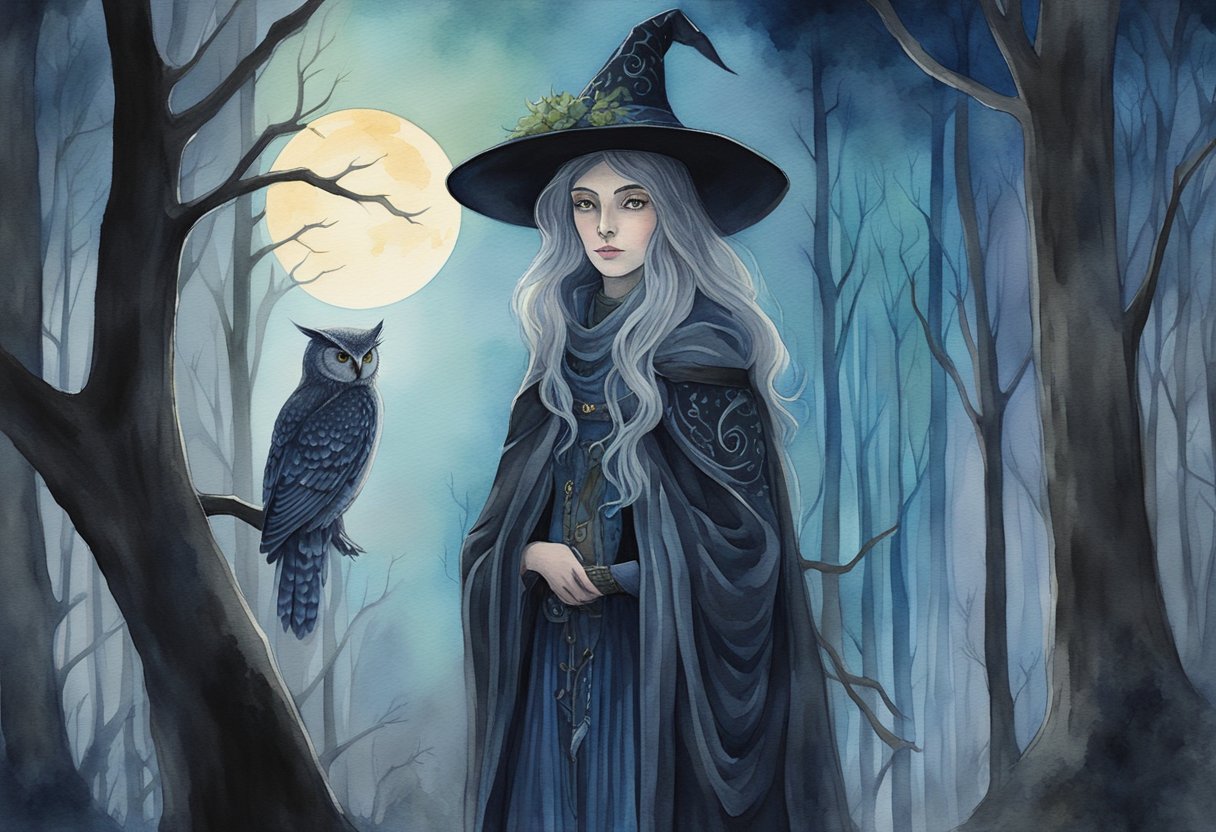
The witch’s familiar is often imagined as a malevolent force, a companion in dark rites and a conduit to the occult. Yet, these spiritual entities are far from the nefarious demons or devils depicted in old wives’ tales. Historically, familiars are creatures believed to support and protect their witch, a bond forged in companionship rather than evil.
Common Myths About Witch’s Familiars:
- They are inherently evil or a manifestation of the devil.
- Familiars are always black cats.
- Possessing a familiar was once undeniable proof of witchcraft.
The Witch’s Familiar in Pop Culture
As a lens into society’s heart, pop culture reflects fascination and affection towards witch’s familiars. Iconic familiars such as Salem from the television series ‘Sabrina the Teenage Witch’ have indelibly shaped the image of a witch’s animal companion as sardonic yet endearing. This representation has helped to shift the narrative from fear to fascination and revealed the deep magical ties between witches and their familiars as complex and often heartwarming.
Challenging Stereotypes
The modern witch and their familiar walk a path bathed in the light of acceptance, breaking chains of past prejudices. Through education and positive portrayals, they challenge the stereotype of familiars as tools of wickedness. Instead, they present these bonds as a dance of mutual respect and mystical partnership. As society’s embrace of alternative spiritualities grows, so too does the understanding that the witch’s familiar is a symbol not of malevolence, but of mythic camaraderie in witchcraft.
Ethical Considerations
The Responsibility of Care
A witch’s familiar is not merely an instrument of magic; they are a living entity deserving of compassion and care. The covenant between them dictates that one must not only tend to the spiritual needs of their familiar but also to the physical, ensuring a harmonious balance is maintained. This responsible care is the cornerstone of their symbiotic relationship, and neglecting it could fray the delicate balance of their connection.
Witches’ Familiars and the Law
The tendrils of the law often extend into the realm of witchcraft, where the ethics of animal rights are held in high regard. In some regions, the arcane practices involving familiars may brush against legal frameworks, prompting witches to exercise caution and awareness. The intersection of the law with the esoteric arts underscores the importance of safeguarding both the practitioner and the familiar against any potential legal entanglements.
Respecting the Will of the Familiar
At the heart of the alliance lies the principle of respect for the will and agency of the familiar. A witch must recognize and honor the individuality of their familiar, understanding that they are not merely tools to be wielded but spirits to be cherished. This respect for autonomy is a reflection of the deeper ethical currents that flow through the practices of witchcraft, where the will of the familiar is as crucial as the intent of the spell.
