

If you’ve ever felt a pull towards the natural world and its bounty of greenery, you might find a deep connection with the practice of using herbs in Wicca. Wicca, a modern pagan religion with an emphasis on the Earth and nature, has a rich tradition of using herbs for a variety of purposes. From creating calming teas to casting spells for protection, the use of herbs is woven intricately into the fabric of Wiccan practice. Let’s say you’re curious about how to intertwine these herbs into your daily life or rituals – it’s actually simpler than you might think, and incredibly personal.
It starts with understanding the magical characteristics associated with certain herbs. Imagine you have a garden or a stash in your kitchen – you’re already sitting on a treasure trove of magical ingredients. Whether it’s the soothing lavender that can bring peace to your space or the fiery ginger that can add a kick of energy to your spells, each herb carries its own energy and intention. Remember, it’s not just about the spells; these plant allies can support healing, aid in divination, and even bolster courage. As you learn more, you’ll discover that incorporating herbs into your practice is a creative and empowering way to connect with the magic that’s literally rooted in the ground.
Key Takeaways
- Wicca places a strong emphasis on the natural world, with herbs being central to many practices.
- Each herb has unique properties that can be used in everything from spellwork to healing.
- Learning and using herbs is a highly personal and creative aspect of Wiccan ritual.
[su_button url=”https://amzn.to/3YfCaUX” background=”#a62def” color=”#ffffff” size=”10″ icon=”icon: magic”]Shop Witchy Supplies[/su_button]
The Fundamentals of Herbal Magic in Wicca

Understanding the Link Between Herbs and Wicca
Wiccan tradition holds that everything in nature is infused with its own power and spirit. Herbs are no exception—they’re packed with their own unique energies that can align with your magical intentions. When you’re working with herbs, you’re not just tossing leaves into a pot; you’re weaving a connection to the earth and tapping into the energies of the natural world.
For instance, during a ritual, choosing the right herb can mean the difference between a muddled message to the universe and a crystal-clear intent. Think of it like picking the perfect emoji to text your friend—the right choice sends your message soaring.
Now, let’s talk spellwork. Say you’re crafting a spell for protection; you might reach for sage or rosemary, known for their protective vibes. By burning these herbs, you’re sending your wish for a shield against negativity straight up into the cosmos through the language of smoke and scent.
Herbs in Wicca aren’t just about power and spells, though. They’re also about the wisdom to use that power wisely. Just like you wouldn’t use a sledgehammer to crack a nut, you wouldn’t use a powerful herb without knowing its properties and how it might affect your magical work. It’s all about respecting the herb and the energy it carries.
Essential Herbs for Magical Working
When it comes to a Wiccan’s herbal toolkit, there are a few standouts that no witch should be without. They’re the bread and butter of herbal magic, the go-to plant allies that can cover a multitude of intentions. Let’s take a peek at a couple of these green goodies:
- Lavender: Not just for your grandma’s sachet! Lavender is your go-to for peace, purification, and calming vibes. Had a rough day? Lavender’s soothing scent will have you chilling out in no time.
- Mugwort: If you’re after some psychic boost or protection during dream work, mugwort is your herb. It’s like a dreamcatcher in plant form—capturing the bad juju and enhancing the good stuff that comes through at night.
- Rosemary: This culinary favorite doubles as a powerful protector and mind sharpener. Burn a sprig or two when you need to clear your thoughts and get a little psychic guard dog for your space.
- Thyme: Need a little courage or looking to attract some faerie folk? Thyme can be your herbal cheerleader, bolstering your bravery and helping those enchanting encounters happen.
Remember, knowing your herbs is key. You wouldn’t go into a test without studying first, so why embark on a magical journey without knowing your plant allies? Get to know them, honor their properties, and they’ll be more than happy to aid you in your craft.
Herbal Applications in Spells and Rituals
Creating Spells with Herbs
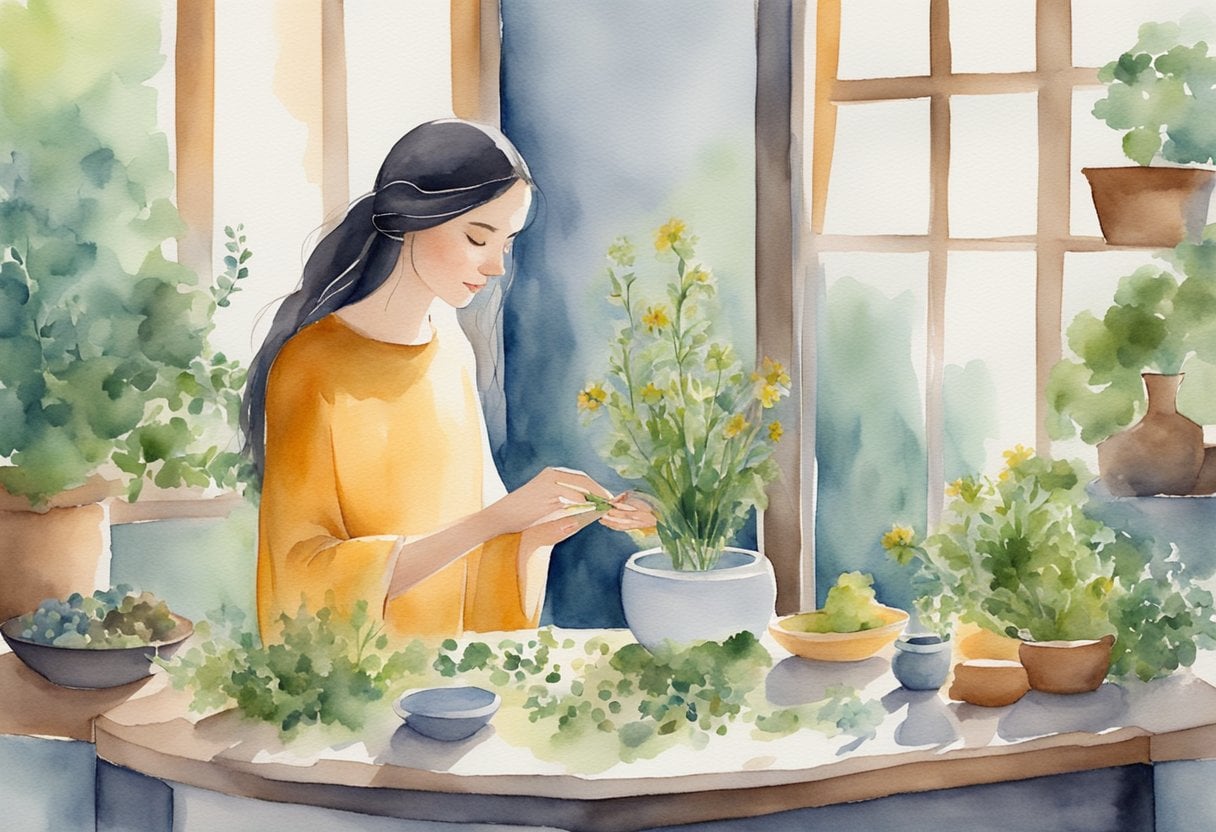
When you’re whipping up your own spells, think about what you want to achieve. Protection? Basil is your go-to herb. Tuck it into a sachet and carry it with you. Need a sprinkle of prosperity? A pinch of cinnamon in your wallet might do the trick. For purification, burn dried sage to cleanse your space. If your heart is all aflutter and you’re looking for love, consider adding rose petals to your charm.
- Protection Spells: Salt, Clove, Basil, Black Pepper
- Prosperity Spells: Cinnamon, Basil, Mint, Chamomile
- Love Spells: Rose Petals, Jasmine, Honey, Vanilla
- Health Spells: Eucalyptus, Ginseng, Rosemary, Thyme
Remember, your intentions matter just as much as the herbs themselves. So put your heart into it and mix those herbs with care!
Ritual Uses of Herbs for Celebration and Practice
Rituals are your moment to connect with the divine, the elements, or your inner self. During rites of passage or seasonal celebrations, herbs play a major role. Something like lavender can be sprinkled in a circle for peace during a ritual. Or maybe you’re celebrating the full moon and want to invoke purification; that’s when sage comes in handy.
- Samhain: Mugwort for divination
- Yule: Bayberry for luck and prosperity
- Imbolc: Angelica for protection and purification
- Beltane: Hawthorn for fertility and love
Keep in mind, the cycle of the year and the rhythm of nature’s seasons are mirrored in these practices, so aligning your herbs with them is key to a powerful ritual.
Incenses and Sachets
Ever walked into a room and instantly felt a different vibe, all thanks to the scent? That’s the power of incense at play. Frankincense is perfect for meditation, while myrrh can help in healing practices. Meanwhile, opt for sachets when you want to keep the magic close. A small bag with lavender can bring tranquility wherever you go.
- Incense Blends:
- Meditation: Frankincense, Myrrh, Sandalwood
- Protection: Dragon’s Blood, Basil, Cinnamon
- Love: Rose, Jasmine, Ylang-Ylang
- Sachets Ideas:
- Sleep: Lavender, Chamomile, Mugwort
- Prosperity: Mint, Patchouli, Bay Leaf
- Love: Rose Petals, Apple Pieces, Orris Root
Surround yourself with these sensory forms of magic, and watch the energy around you dance and transform.
Sacred Herbs for Healing and Divination
The Healing Power of Wiccan Herbs
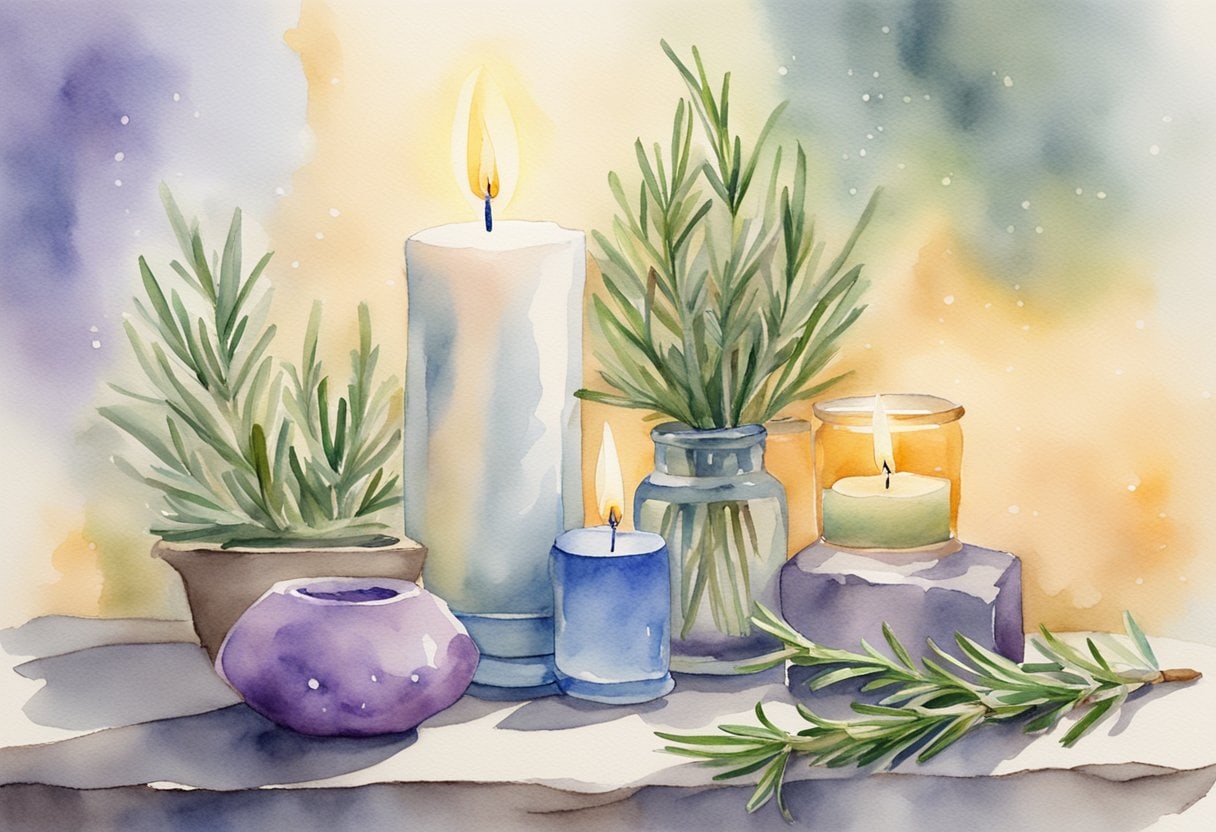
Herbs have been used for centuries to heal not just physical ailments, but emotional and spiritual wounds as well. When you brew a cup of tea or create an infusion with these sacred plants, you’re engaging in a timeless ritual, drawing on the earth’s energy to mend and restore.
Lavender is a go-to for relaxation. Its sweet aroma is perfect for unwinding after a long day. Soak in a bath with lavender to soothe your spirit, or sip it as a tea to calm your nerves.
Echinacea is your warrior against colds. It helps boost your immune system, and is often used in potions for wellness.
For cuts and wounds, St. John’s Wort is a great healer. Not just for the skin, it’s also known to lift the spirits when you’re feeling low.
Ginger, in teas or infusions, works wonders on an upset stomach. It’s your herbal hug when your body needs comfort and warmth.
Herbs in Divination and Clairvoyance
Divination practices within Wicca often include the use of herbs to enhance psychic abilities and gain clarity. They can be a powerful aid in rituals to peer through the veil and discern messages from the universe.
Rosemary is your ally for memory and mental clarity. Burn it as an incense while meditating or practicing divination to enhance concentration.
Mugwort is often associated with clairvoyance and prophetic dreams. It’s said to open your third eye and bring psychic visions.
In the art of tea-leaf reading, or tasseography, chamomile can be used. Known for its properties to induce relaxation and sleep, it also assists in intuitive thinking. Make a brew and see what symbols emerge to steer your path.
By embracing these sacred herbs, you’re not just using plants; you’re invoking ancient wisdom and a connection to the spiritual world. Your journey with herbs is intimate and personal, as they assist you in healing and seeking answers beyond the physical realm.
Incorporating Herbs into Wiccan Life and Practice
Herbalism in Daily Wiccan Lifestyle
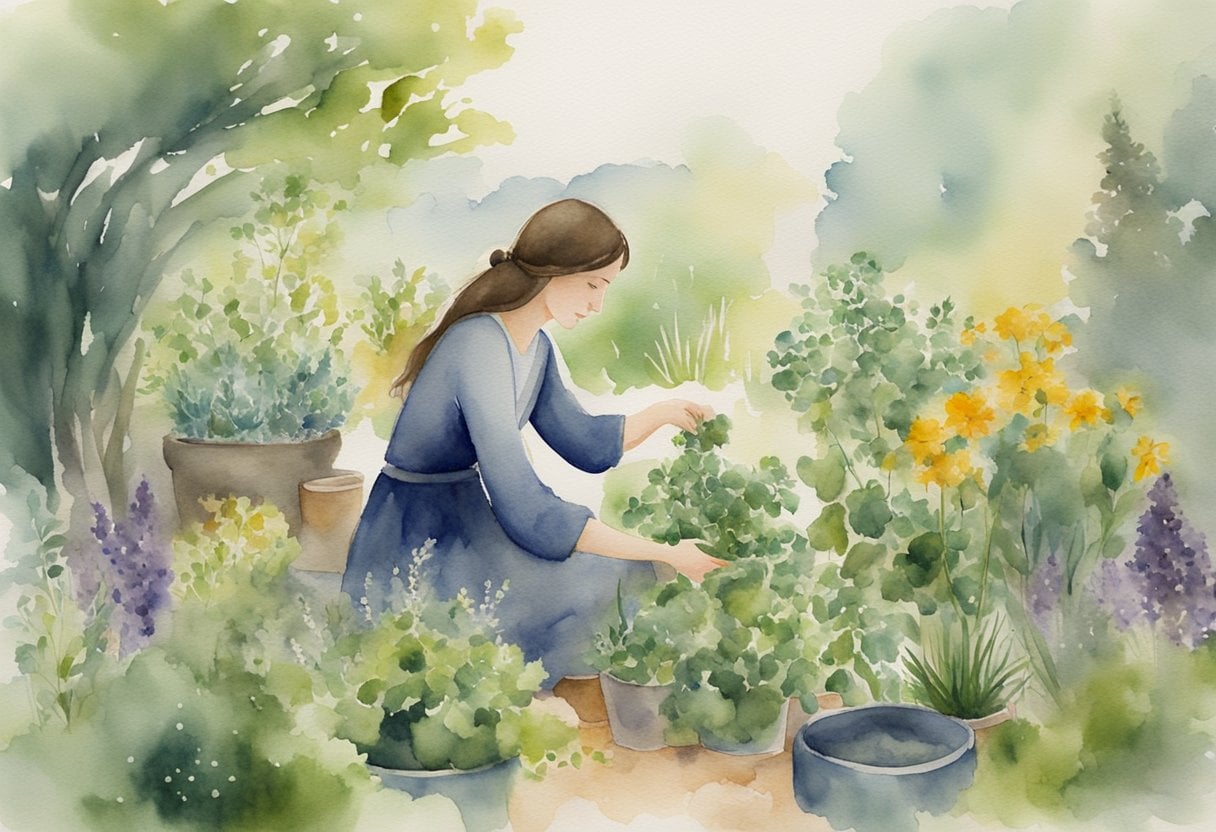
In your day-to-day life, herbs can play a magical and practical role. Meditation can be deepened with the use of calming herbs like lavender to promote relaxation and tranquility. If you’re seeking to enhance love spells or fertility rituals, consider incorporating roses or damiana. For culinary magic—yes, food can be magical—season your dishes with basil for success or thyme for cleansing negative energies. Herbs can also aid in sleep and influence dreams; mugwort under your pillow could unlock prophetic dreams, or chamomile tea might lead to a peaceful night’s sleep.
Herbs in the Creation of Magical Tools and Talismans
Herbs have been integral in crafting magical tools and talismans for centuries. You can charge herbs with your intent and place them in sachets or amulets to carry with you. Herbs like sage for cleansing spaces, or cinnamon sticks tied with an orange ribbon for attracting money, can be powerful tools. Your Grimoire might have a special section where you write down which herbs you’ve used to infuse your wands, candles, or other implements with specific energies.
Research and Sources of Wiccan Herbal Wisdom
Dive into the vibrant history and use of plants through research and study. Check out historical texts or modern guides on herbalism in witchcraft for both knowledge and practical uses. Joining local or online Wiccan communities can also open up avenues for learning. They often share insights and experiences with different herbs that you might not easily find in books.
Practical Tips for Growing and Harvesting Magical Herbs
Growing your own plants adds a personalized touch to your practice. Here are some quick tips:
- Choosing: Start with easy-to-grow herbs like basil or mint, which require minimal care.
- Planting: Align your planting with lunar phases—new moon for fertility and growth, waning moon for banishing or cleansing.
- Harvesting: Cut herbs in the morning when their essential oils are at their peak for maximum potency.
- Storing: Dry them upside down in a cool, dark place to preserve their magical properties.
Remember, every herb has its own personality and history, and when you invite them into your life, you’re joining a dance that’s as old as time itself. Happy planting and spell crafting!
[su_button url=”https://amzn.to/3YfCaUX” background=”#a62def” color=”#ffffff” size=”10″ icon=”icon: magic”]Shop Witchy Supplies[/su_button]
