
The question of whether men can be witches touches on both spiritual tradition and modern inclusivity. Traditionally, the image of a witch has been female, conjuring visions of women communing with nature and the elements, uttering incantations, and stirring cauldrons. Yet, history reveals that this archetypal figure is not bound by gender; men have also been part of this mystical calling. The craft of witchcraft is defined by its practices, rituals, and inherent spirituality rather than the gender of its practitioners.
In contemporary society, the resurgence of interest in witchcraft and its associated paths has sparked discussions on gender roles within this sacred space. A growing sentiment in spiritual communities embraces the idea that anyone, regardless of gender, can pursue the art of witchcraft. This inclusive perspective recognizes that at the heart of witchcraft is the pursuit of knowledge, wisdom, and a deep connection with the divine, none of which are the sole province of women. As individuals seek personal empowerment and spiritual fulfillment, the doors of the craft open wide to all seekers, male or female, initiating a journey of inner work and transformative practice.
Key Takeaways
- Witchcraft transcends gender, welcoming men into its mystical fold.
- Modern witchcraft celebrates inclusivity, emphasizing spiritual practice over gender identity.
- The art of witchcraft is a path to personal and spiritual development open to all.
Historical Background of Witchcraft

In the swirling mists of time, the concept of witchcraft has been both shrouded in mystery and illuminated by fear and fascination. Definitions have evolved, perceptions have been influenced by patriarchy, and history has been marked by notorious witch-hunting events.
The Evolution of Witchcraft Definitions
Initially, witchcraft was a complex set of beliefs, involving the practice of magic and the alleged ability to manipulate the natural world, often to disastrous or beneficial ends. Across Europe, male witches and women alike were known to practice these arts, though the common portrayal often skewed towards the latter. In the early modern period, the term “witch” was gender-neutral, and the presence of men in the annals of witchcraft trials was significant, reflecting a diversity in the practice of witchcraft.
Patriarchy and Witchcraft Perception
The patriarchal structure of society heavily influenced how witchcraft and its practitioners were perceived. Magic was considered a woman’s craft by many, as women were often associated with the esoteric and the mystical due to societal gender roles. Despite this gender bias, male witches did exist and some regions saw a higher proportion of accused men; however, the patriarchal lens often diluted their visibility in historical records.
Major Events: Salem Witch Trials and European Witch Hunts
In the late 17th century, the Salem Witch Trials became a symphony of paranoia and hysteria in the New England colonies. Predominantly, women bore the brunt of the accusations; however, men too were ensnared and faced execution. Earlier, across the ocean in Europe, the witch hunts saw many swept up in a tidal wave of fear and religious extremism. In parts of Europe like Normandy and Estonia, men represented a considerable percentage of the accused, challenging the narrative that witchcraft was solely the domain of women. These events stand as dark monuments in the history of witchcraft, where gender, fear, and societal norms.
Contemporary Views on Male Witches

Wiccan Traditions and Gender Roles
In the arms of Wicca, a religion formed in the mid-20th century, gender roles are often considered fluid. Wiccan circles embrace diversity, and within their spiritual practices, both women and men assume the mantle of witch. The rituals championed by Wicca do not confine power or knowledge to one gender; they promote balance and reverence for what each individual brings to the altar.
Gerald Gardner and the Rise of Wicca
The seed of modern Wicca was planted by Gerald Gardner in the 1950s. As a seminal figure, Gardner’s influence rippled through the community, challenging the preconceived notions of witchcraft being a woman’s domain. His works and traditions attest to the equal standing of male witches, whom he saw as integral to the craft, thereby perpetuating an important step towards gender inclusivity in the practice of witchcraft.
Modern Paganism and Gender Inclusivity
In the blossoming fields of modern paganism and Wicca, a refreshing trend towards gender inclusivity sprouts. Male witches are a recognized facet of this evolving community, reflecting a broader commitment to diversity within spiritual paths. Contemporary male practitioners contribute to witchcraft through modern rituals, innovating while also honoring the essence of ancient practices. This enrichment ensures that the voice of the male witch is not only heard but is also key to the ongoing dialogue in the realms of modern witches and paganism.
Cultural and Religious Contexts
Paganism Versus Mainstream Religious Beliefs
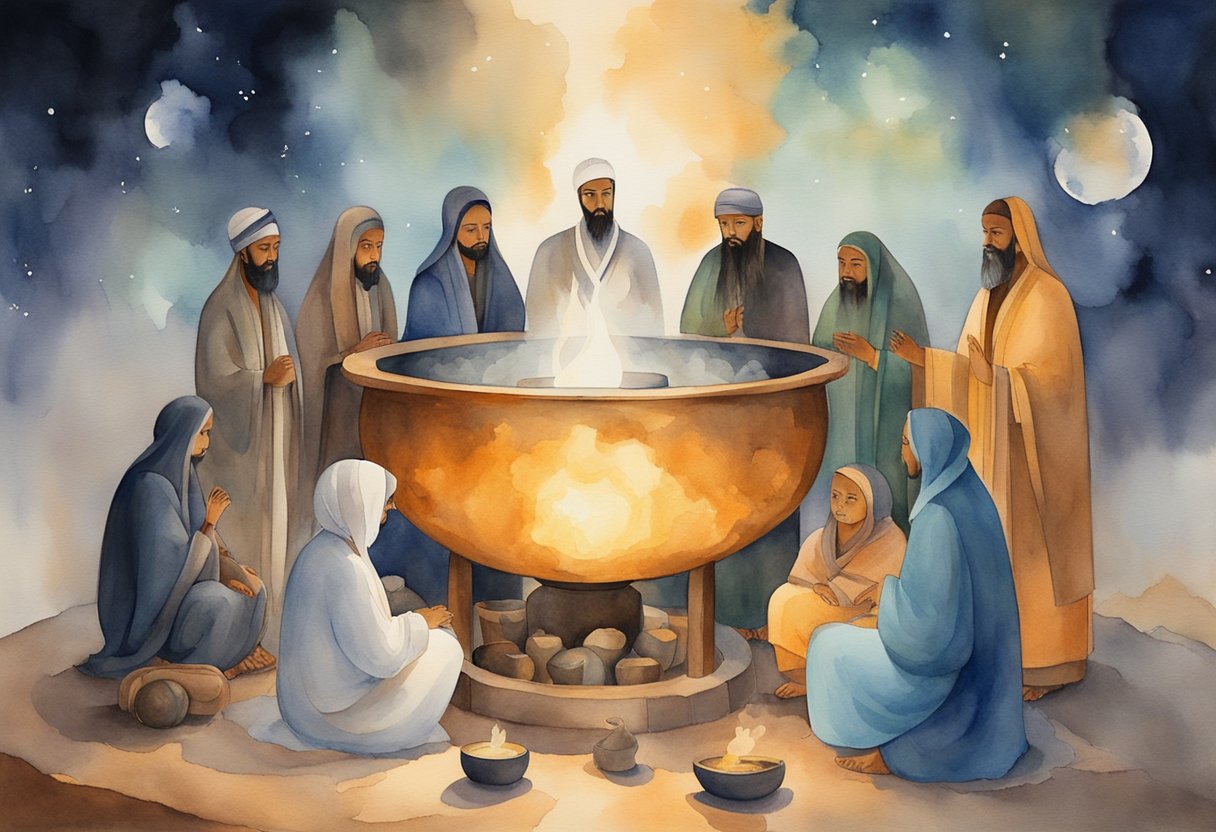
In the realm of paganism, witches are often seen as practitioners who honor nature and may worship a pantheon of gods and goddesses. Pagan beliefs generally encompass a reverence for the Earth and its cycles, distinguishing them from monotheistic or mainstream religions which typically revolve around a single deity. Historically, practices categorized under paganism, including witchcraft, have existed parallel to, and sometimes intermingled with, mainstream religions, frequently leading to misconceptions and misrepresentations in the latter’s narratives about who can be called a witch.
Unlike the more institutionalized religions, pagan paths allow for a fluid interpretation of roles within their practices, hence, male witches can be as commonplace as their female counterparts. They weave their magic into spiritual practices, standing as testament to the inclusivity of paganism where the divine masculine intertwines with the divine feminine.
The Role of Deities in Witchcraft
Within witchcraft, the adoration and invocation of deities is pivotal. Practitioners may form bonds with a plethora of spiritual entities, ranging from the nurturing essence of a Goddess to the vigorous energy of a God. It is through these divine connections that witches derive their powers and insights, which are significantly shaped by their individual beliefs and the cultural context of their practice.
The pantheistic or polytheistic nature of witchcraft provides a space where both goddesses and gods hold sway, illuminating the spiritual path with a balance of energies and influences. Whether in a coven or as a solitary practitioner, witches engage with these deities to guide and enhance their craft, crafting spells and rituals that resonate with the vibrancy of the divine. This spiritual mosaic reflects an openness to all genders, reaffirming that the energies they work with transcend mortal boundaries, including those of gender.
Thus, in these various cultural and religious contexts, it becomes clear that the role of men in witchcraft is as valid and profound as that of women, bound only by their dedication to their spiritual path and the connections they forge with the deities they revere.
Practice and Rituals in Witchcraft

The Significance of Spells and Rituals
Spells and rituals serve as the foundational stones upon which the mansion of witchcraft is built. Rituals often follow the rhythms of nature, aligning with lunar cycles or seasonal changes, and are steeped in a deep respect for the natural world. In the hands of male witches, these rituals and spells are not merely acts but sacred dances with the energies that permeate all things.
- Spells act as focused intentions, woven into being through carefully chosen words, symbols, and actions.
- Rituals provide structure, creating sacred space for these intentions to flourish and permeate the fabric of reality.
Both aspects work in harmony, much as a composer skillfully melds notes to summon forth a symphony.
Understanding Energy and Magic
Energy is the unseen current that flows through the ritualistic practices of witchcraft, an intangible yet palpable stream that male witches learn to sense and shape. Magic, or magick, as it is often stylized to distinguish the occult from stage illusions, is the art of harnessing and directing this universal life force.
- They embrace the belief that energy is an ally, an ancient whisper in the wind guiding their spellcraft.
- Magick is their conversation with the universe, an intimate dialogue where desires are expressed and, in time, answered.
In the dance of witchcraft, each gesture, each incantation, each carefully placed herb is another note in this mystical melody, another thread in the grandness of existence, with male witches partaking with equal reverence and power.
The Art of Witchcraft

Divination and Magic Tools
Diviners gaze into the unknown, seeking guidance through various mystical means. Tarot cards serve as one prominent method, each deck teeming with symbolism and archetypes that provide insight into complex situations and the human psyche. Similarly, crystals are employed not only for their beauty but for their purported abilities to amplify and direct energy. The glistening stones are often arranged in specific patterns, known as grids, to enhance their metaphysical potency.
Witches also make use of a variety of charms, items charged with intention and believed to bring about change. These objects vary widely and might include anything from intricately carved talismans to simple household items imbued with magical purpose.
The Use of Herbs and Potions in Witchcraft
Every leaf and root holds power in the green witch’s garden. Herbs, whether freshly picked or dried, are harnessed for their innate qualities—some for healing, others for protection, or to attract certain energies. Witches often combine these botanicals to create potions, which can be concoctions for drinking, oils for anointing, or mixtures to be used in various other rituals. These magical brews are crafted following time-honored recipes or through intuitive blending, each ingredient selected for its alignment with the potion’s intended effect.
Gender Dynamics in the Modern Witch Community

Dismantling the Gender Binary in Witchcraft
In the heart of contemporary witchcraft, a movement flourishes toward deconstructing historical gender binaries. The community recognizes that the binary notion of male and female magick does not serve the collective spirit and potential of witchcraft. This shift propels progressive views, ascribing no gender to magick itself, thus challenging the tradition that has long recognized women as the exclusive gatekeepers of witch-related knowledge and practices.
Masculine and Feminine Energies: Balance and Polarity
Diverse traditions within the craft hold the masculine and the feminine as cosmic forces, engaging in an eternal dance of creation and completion. It’s understood that these energies exist beyond physical genders, and individuals may channel both forces regardless of their gender identity. In this spiritual ecosystem, the notion of balance is central—fostering an environment where male witches contribute their unique energies in harmony with the feminine.
In essence, the sacred practice of witchcraft is transforming into a haven of balance and duality, welcoming the energies brought forth by all genders. Such gender dynamics in the community align with a more universally connected and feminist perspective, which values the exchange between different forms of power and the sacredness of their unity.
Personal Paths and Family Traditions
Solitary Practices Versus Covens
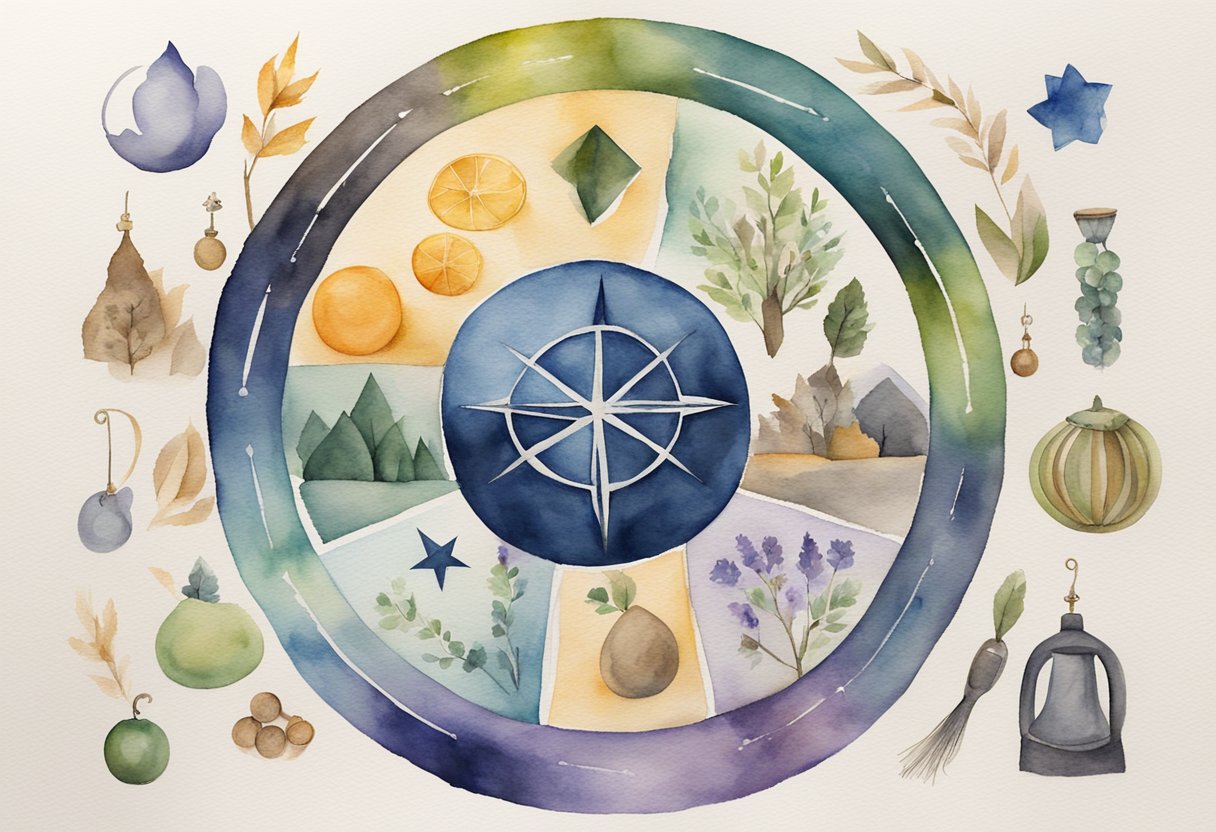
In the realm of magic, solitary practitioners thrive in their own sacred space, their rituals a silent dance with the divine. They cultivate their craft guided by personal intuition and self-study, often finding kinship with the elements in a deeply personal quest for knowledge. These individuals might draw on books and resources to craft their practice, creating a fusion of traditional and self-taught witchcraft.
Conversely, covens offer a communal cauldron of shared wisdom, where rituals and teachings pass through the lips of the experienced to the ears of the initiated. A coven provides structure and a familial bond, creating a synergistic environment where members can learn from one another and celebrate sabbats and esbats in unison. Male witches in covens contribute to a diverse brotherhood of the craft, combining their energy into the collective coven’s workings.
Family Lineage and Cunning Folk
Family lineage holds a storied place in the world of witchcraft; it is the silken thread connecting present to past, a path often passed down through generations. Hereditary witches claim ties to a lineage of the wise, those who were healers, herbalists, and keepers of ancient lore. Such a background provides a rich soil from which one’s own practices may grow, steeped in the wisdom of ancestors.
The term “cunning folk,” historically, referred to those deeply versed in folk magic and healing within their villages and communities. These wise ones served as a bridge between the ethereal and the earthly, often inheriting their role from family and serving as stewards of age-old traditions. Embedded in their practice were rituals and knowledge handed down through time, with some male practitioners among their ranks known for their wisdom and skill.
Intersection of Witchcraft with Other Disciplines

Witchcraft and Environmentalism
Witches often regard nature as an extension of the self, a sacred temple to be cherished and protected. They walk the green path with a deep reverence for Earth, embracing nature as both an ally and a guide in their spiritual path. This veneration manifests in rituals that prioritize the balance of nature, and in many cases, you’ll find witches at the forefront of ecological movements. They tend to practice their craft with a mindful utilization of natural resources, emphasizing sustainability and the energetic flow of life.
Psychological Perspectives on Witchcraft
From a psychological viewpoint, witchcraft can be seen as a catalyst for personal transformation. Practitioners use elements of their craft—like meditation—as tools for introspection and self-discovery. They might employ spellwork as a form of visualization to enhance personal growth and ground their intentions. Scholars in the psychological sphere analyze witchcraft’s role in mental well-being, considering its therapeutic potential in fostering a healthy and holistic spiritual path. The craft serves as a bridge between the conscious and subconscious, offering a unique perspective on inner work and emotional resilience.
Witchcraft in Popular Media
Portrayal of Male Witches in Fiction and Media
In the realm of movies and television, male practitioners of the craft have been glimpsed, though their spotlight often pales compared to their female counterparts. Warlocks, wizards, and men wielding magic appear, yet ‘witch’ is a term traditionally reserved for women in most narratives. Shows like ‘Bewitched’ and films such as ‘The Wizard of Oz’ have offered an enduring, albeit skewed, lens on the topic. Modern witches—men among them—have started to etch a place for themselves in popular series, pushing past the archaic limits. The likes of ‘The Chilling Adventures of Sabrina’ and ‘American Horror Story: Coven’ bring forth a more inclusive view, where men share the stage wielding spells and charms.
Historically, ‘wizard’ or ‘warlock’ were the titles ascribed to male magical users, reinforcing a gendered divide within an art form that knows no such bounds. Their narratives in fiction often delve into a darker archetype or mentorship roles; think Dumbledore or Gandalf. In these expressions, there is an underlying current that aims to disentangle the threads of gender and magic but has yet to fully liberate the term ‘witch’ from its feminine shackles.
Impact of Pop Culture on Witchcraft Perceptions
Pop culture serves as a powerful cauldron, brewing and blending perceptions of witchcraft within the community and beyond. Movies, with their grandiose incantations, and TV shows with their intricate spellwork, sprinkle seeds of intrigue around what it means to be a practitioner of the witching arts. The collective psyche, fed by these vibrant tales, starts a more accepting movement that acknowledges the presence of men as witches.
These media portrayals are the kindling that stokes the conversation on inclusivity within the witching community. As the representations in mainstream media evolve, so do the public’s ideas around male witches, leading to greater acceptance in modern witchcraft circles. It nurtures a landscape where being a male witch is less about battling old stereotypes and more about embracing the spiritual journey that witchcraft offers to all souls, irrespective of gender.
Critical Perspectives on Witchcraft
Academic Analysis of Witchcraft’s History
Historians like Lyndal Roper have rigorously examined witchcraft throughout time. Roper’s research suggests that witch trials were not only a persecution of women but also implicated a significant number of men—challenging the commonly held belief that witches were predominantly female. In regions like Iceland, Normandy, Estonia, and Russia during early modern Europe, male witches comprised anywhere from 20-25% of those tried. American history, particularly in New England witch trials, further reflects this inclusion of men in the narrative of witchcraft.
Studies often dissect the socio-political contexts that gave rise to the witch hunts, where a blend of superstition, fear, and social upheaval led to tragic outcomes. They posit a scenario where witchcraft accusations were a tool for societal control, a way to impose norms and quell dissent among the populace—a narrative where both women and men could be ensnared.
The Relevance of Witchcraft in Modern Society
Modern-day witchcraft reveals a spectrum of practices and beliefs that continue to evolve. Belief in witchcraft can be a profound and personal spiritual journey, reflecting a diverse modern society that yearns for connection with nature, the mystical, and the self.
Contemporary male witches, or modern witches, are gaining visibility, indicating a shift away from gendered stereotypes within the craft. Their presence challenges traditional narratives and encourages a more inclusive understanding of spiritual practices. The notion that witchcraft could be the exclusive territory of women is often debated within witch communities, especially as more individuals seek alignment with these ancient practices. This discourse is not just an echo from history but a vibrant part of a living tradition that adapts and grows with time.
Their practices illustrate a multitude of ways the craft is actualized in today’s world. Some form covens, while others practice in solitude, but all contribute to a nuanced interpretation of what it means to be a witch in the modern era. In this sense, witchcraft’s narrative is ever-unfolding, as it defies rigid classifications and blooms in the hearts of those who choose to follow its winding path.
Spiritual Experience and Inner Work
Meditation and Witchcraft as a Spiritual Practice
Meditation serves as the foundation for many a witch’s spiritual practice, a sacred time for stillness and the cultivation of inner peace. They often use this quietude to tap into the universal energies, creating a conduit to the divine. Through breath and focus, practitioners of witchcraft immerse themselves in the ebb and flow of spiritual tides, aligning their own energies with the vibrations of the Earth and beyond.
The Journey of the Male Witch in Self-Discovery
The path unfurls before the male witch, a mosaic of belief and ritual both beautiful and intricate. Immersed in a quest for the arcane, he traverses a landscape rich with spiritual signposts, seeking enlightenment through the smoke of incense and the pattern of the stars. Each ritual becomes a stepping stone, each chant a beacon — with every act of magic, their self-awareness expands, allowing unprecedented views into the depths of the soul.
