

In the realm of Baltic myth, Saule stands as the effervescent sun goddess, a luminous figure who imbues the world with light and life. She personifies the sun in Lithuanian and Latvian folklore and is revered as the nurturer of the land, presiding over fertility, family, and the harvest. Her influence stretches across the sky, reminding everyone of the warmth and vitality that life under her radiant glow brings.
Her chariot ride across the heavens is more than just a beautiful image; it represents the constant cycle of day and night, the eternal rhythm that governs the natural world. Saule’s association with horses and her journey through the sky speaks to her role in maintaining the balance of the universe. Her symbolic presence has retained its place in the cultural consciousness, acting as a beacon of life’s cyclical nature and the importance of the sun.
Key Takeaways
- Saule is the central sun goddess in Lithuanian and Latvian mythology, embodying light and life.
- The goddess’s daily celestial journey symbolizes the cyclical nature of day and night.
- Saule’s enduring presence highlights her significance in Baltic culture and natural world balance.
[su_button url=”https://amzn.to/4iB8iJY” background=”#a62def” color=”#ffffff” size=”10″ icon=”icon: magic”]Shop Witchy Supplies[/su_button]
The Radiance of Saule: Sun Goddess
Myths and Legends
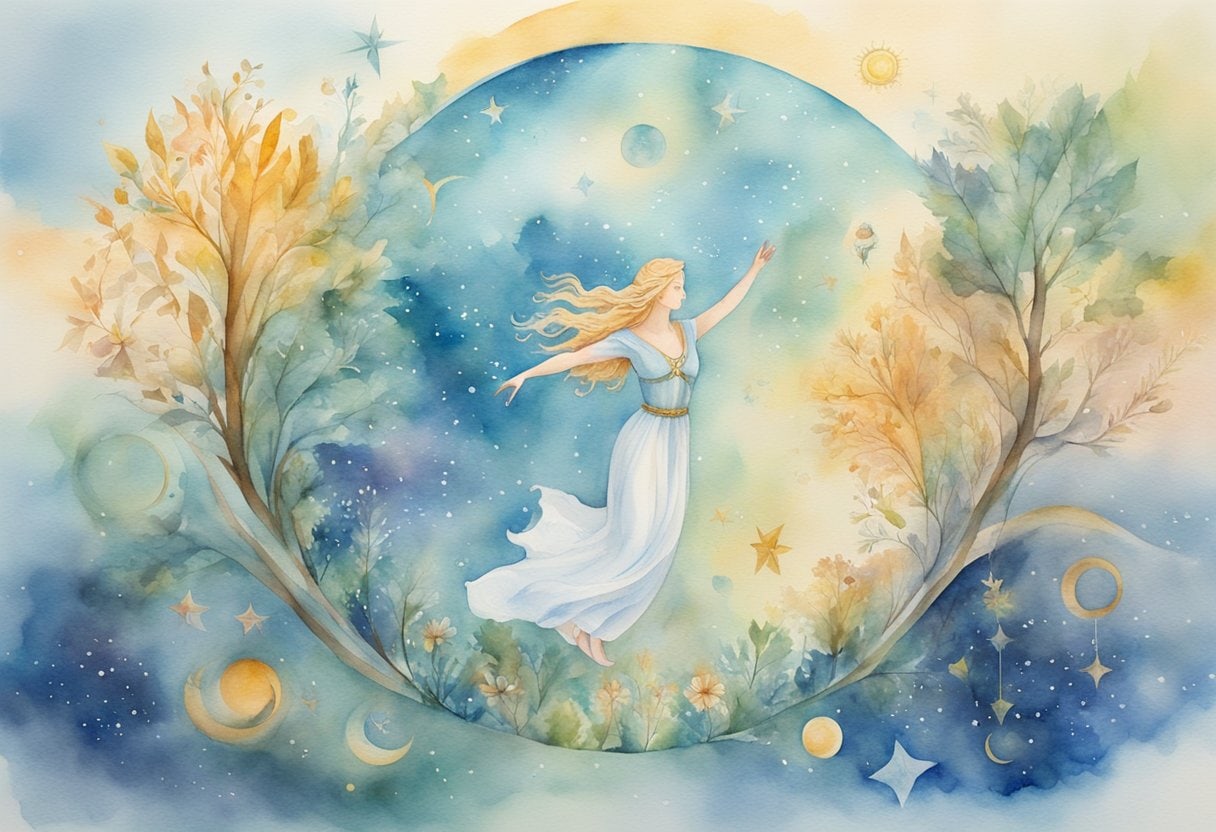
Saule’s narrative weaves through the fabric of Baltic tales, casting her as the motherly shepherd of celestial bodies, who gently maintains the balance of day and night. Every morning, she sets out in her resplendent copper chariot across the sky, bringing the light that sustains all creation. This ritual is not only a daily occurrence but a cycle that reflects the ebb and flow of seasons—from the exuberance of summer to the dormancy of winter. Saule’s warmth breathes life into the world, ensuring the well-being of humans and the natural realm.
During summer solstice, her power peaks, and communities engage in festive rituals to honor her. These customs underscore the reverence for Saule, acknowledging her role in fertility and the continuity of life. They celebrate the zenith of light, an epitome of Saule’s presence, before she begins her slow descent toward winter.
Saule and the Cosmic Order
As commander of the sky’s fiery sphere, Saule not only dictates the daily rhythm but also the cosmic order. Her domain is the daylight, where she reigns supreme, her golden crown reflecting the light she governs. In the grand scheme of things, she’s seen almost as a celestial queen, a maternal figure nurturing the universe from above.
This sun goddess doesn’t stop at just governing the day; she influences the seasons and the growth cycles on Earth. Saule’s journey through the sky reflects the passage of time. When winter approaches, her chariot rides lower, and the days grow shorter. Her departure from the sky at dusk embodies the transition between the realms of light and darkness, indicative of her dual influence over the cosmic order.
Symbols and Representations
Symbolically, Saule is often represented with motifs that echo her connection to light and life. Her attributes include:
- A radiant crown made of gold, symbolizing her dominion and brilliance.
- Chariots and wheels, indicating her role in the movement of the sun across the sky.
- Imagery of horses, representing the tireless steeds that pull her heavenly chariot.
These motifs are more than just artistic expressions; they’re essential markers of her divine authority. In artifacts and sacred spaces, Saule’s symbols serve as a reminder of her nurturing light and the warmth that pulses through the earth, stirring growth and prosperity. The use of gold in her representations speaks to the preciousness of sunlight, reflective of her cherished status among the Baltic pantheon.
Ethereal Chariots and Sacred Animals
Chariots of Light and Life
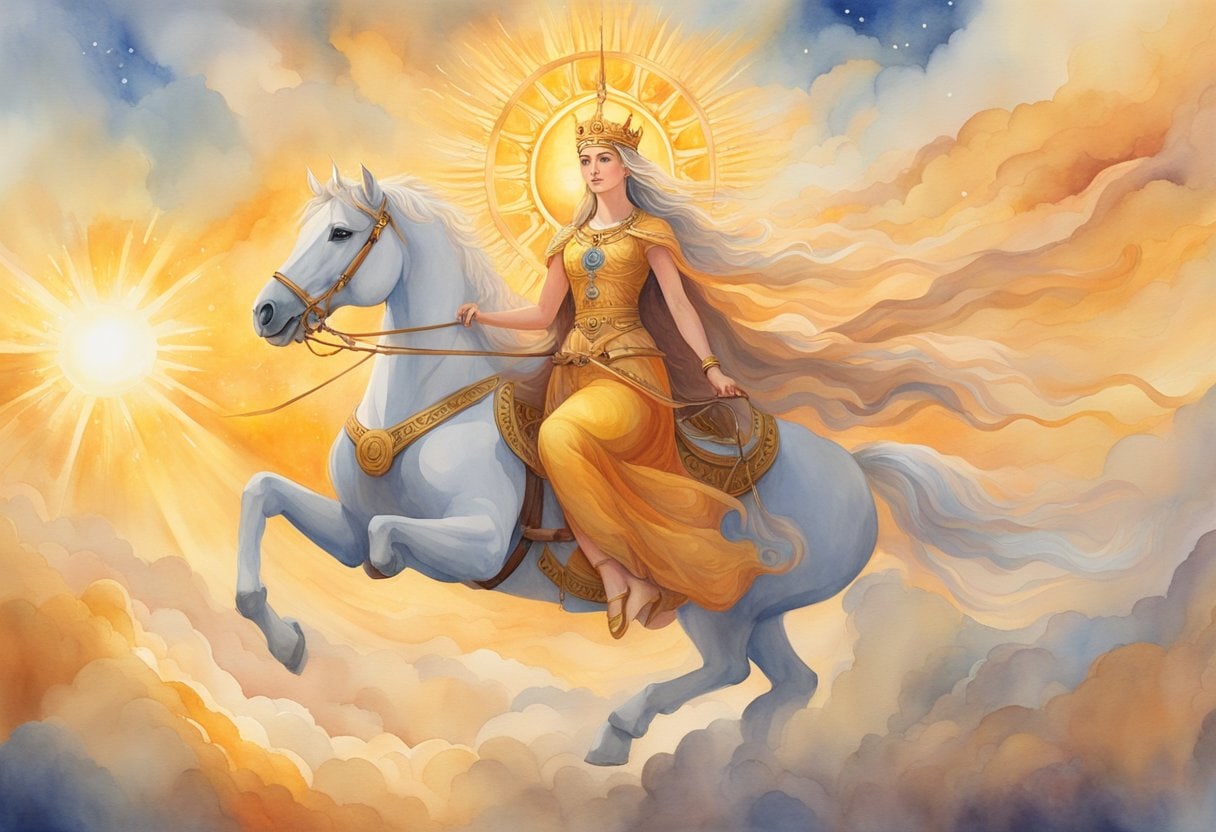
Saule, the sun goddess, rides a magnificent chariot of light each day. Legend whispers of wheels forged from copper gleaming like a dawn, commanded by her skillful hands clasping golden reins. This chariot brings life-giving light and marks the passage of time, greeting the earth with morning’s first blush and bidding farewell at dusk’s soft embrace.
Horses of the Heavens
Two horses as white as cloud-kissed mountain peaks pull Saule’s chariot. These celestial beings never tire, aflame with the vigor of the sun. They are more than mere beasts of burden; their noble strength is a sight to behold as they gallop tirelessly across the sky, their manes rippling like liquid silver.
Other Celestial Creatures
In this dance of divinities, other enchanted creatures play their part. Aušrinė, the morning star personified, heralds Saule’s arrival. As she twinkles in the dawn sky, Venus often gets mistaken for her. Another deity, Perkūnas, the god of thunder, roars across the heavens, etching his presence amongst these ethereal beings. Together, they weave a cosmic ballet that stirs the soul and ignites the imagination.
Cycles of Nature and Fertility
Seasonal Significance
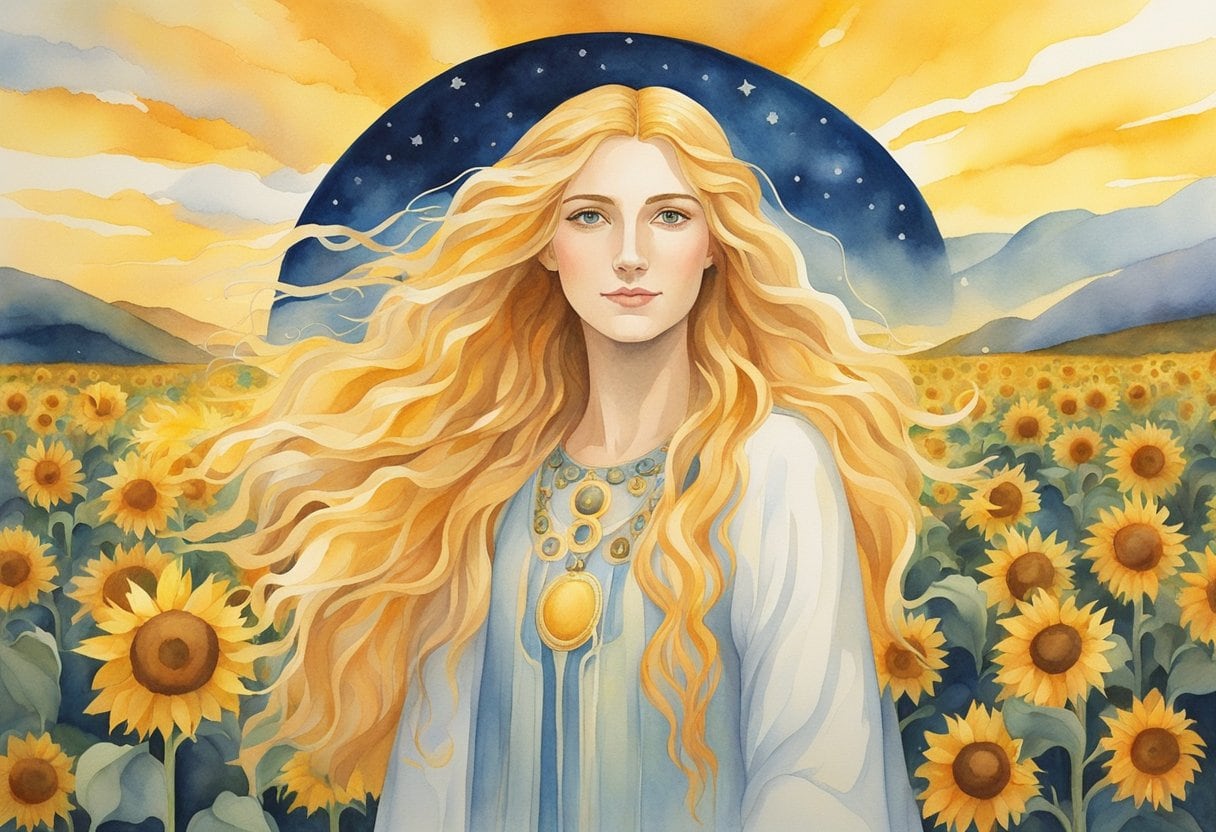
With every turning season, Saule plays a different yet critical role. As Spring cloaks the land, she breathes warmth into the soil, stirring seeds to life with her gentle touch. The earth, under her watchful eye, transitions from winter’s slumber to a canvas of verdancy. Summer witnesses her at her zenith, showering the earth with generous light and fostering growth with unyielding energy. Her radiance during this time guarantees a bountiful harvest.
As Autumn paints the scenery in hues of amber and gold, Saule begins her slow descent, and life on Earth prepares for rest. Yet, she lingers long enough to ensure the earth’s fruitfulness is gathered. Winter may cloak the world in darkness, but the promise of Saule’s return keeps hope alive for the coming renewal. She guides life through the cold, bare months, safekeeping the potential for next year’s regeneration.
Guardian of Life on Earth
Regarded also as the great mother, Saule watches over every aspect of life on Earth. Her daughters are said to accompany her as she sails across the sky, epitomizing the cycles of life from birth to death. Just as a mother’s care shapes the world of her child, so does Saule’s daily journey influence the lives beneath.
The great world sea receives her attention at the end of each day when she washes her chariot and horses — an act symbolizing purification and preparation for renewal. Žemyna, the goddess of the earth, works in tandem with her, ensuring that life is sustained and nourished. And when life on Earth concludes, Saule, like a gentle guardian, welcomes spirits to rest in her abode, marked by an eternal apple tree, according to legend. This cyclic dance with Žiezdrė, the goddess of life, weaves the fabric of existence, connecting every end to a fresh beginning.
Cultural Legacy and Worship
Rituals and Celebrations
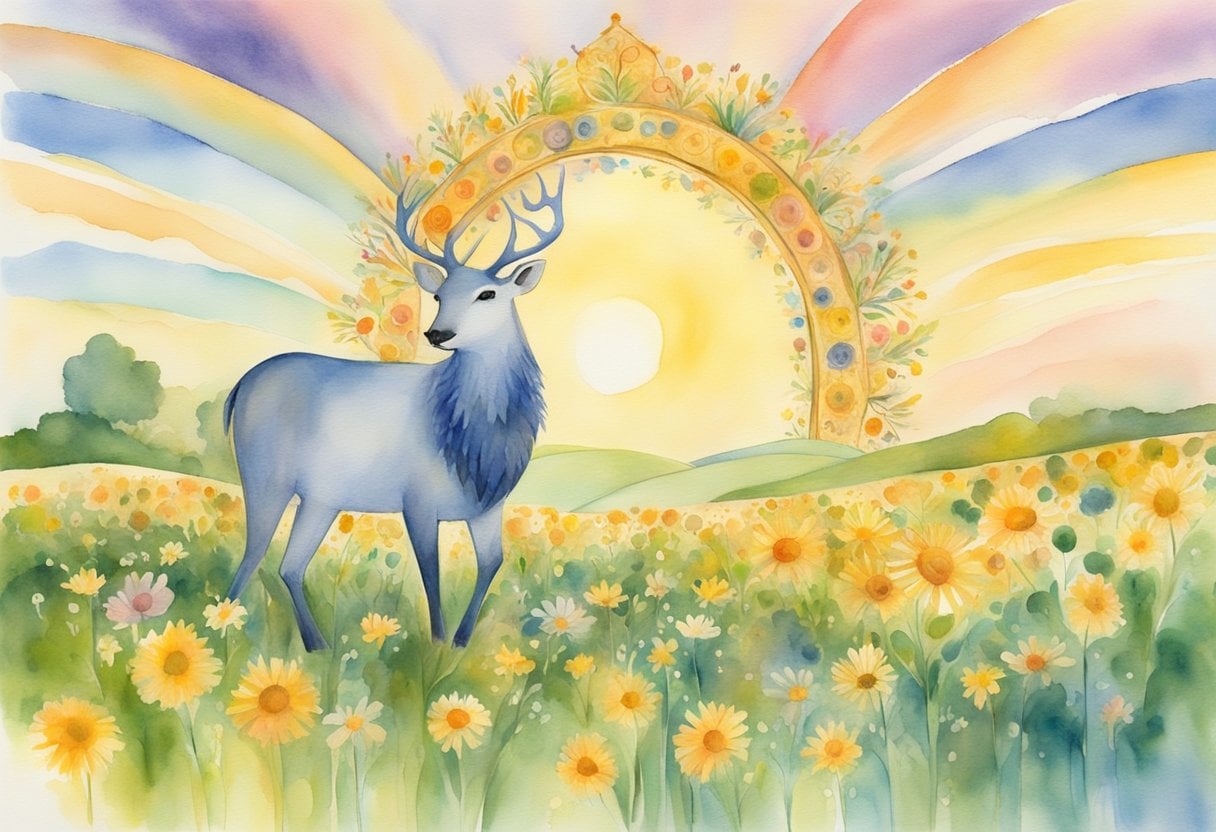
Saule’s presence was intensely felt throughout the year in various rituals and celebrations. Particularly momentous were the summer solstice festivities, where communities in Latvia and Lithuania would gather to honor the sun goddess. Daisies, revered for their sun-like appearance, often featured in these events, woven into crowns or scattered around. Folk songs, ringing with the adoration of the nurturing sun, resonated during the longest days, especially in Latvian and Lithuanian traditions.
Notable Celebrations:
- Rasa Festival: A summer solstice event filled with singing, dancing, and the adornment of spaces with greenery and flowers.
- Daisy Day: Often associated with love and youth, celebrated by weaving crowns and performing folk songs.
Influence on Arts and Music
Baltic arts have long been imbued with the spirit of Saule. Folk music, steeped in the lore of the sun goddess, captures her essence through lilting melodies and traditional instruments. Painters, too, drew inspiration from her image, depicting her radiant journey across the sky. These creative works keep the myth alive, serving as a bridge connecting the sacred past to the present.
Arts and Music Highlights:
- Folk Music: Latvian and Lithuanian songs that celebrate Saule’s journey and influence.
- Visual Arts: Artistic renditions showcasing Saule’s symbolism and her impact on the natural world.
Transition from Paganism to Christianity
When Christianity surfaced in ancient Latvia and Lithuania, it mingled with existing pagan practices. Over time, the adoration directed towards Saule was adapted, her characteristics blending into Christian traditions and saints’ narratives. Yet, the essence of Saule remained, her light a lingering presence in folklore and cultural practices, affirming her undying legacy in the hearts of the Baltic people.
Key Transitions:
- Syncretism: Gradual blending of Saule’s imagery and attributes into Christian celebrations and saints’ stories.
- Folklore Persistence: Enduring tales and customs that integrate aspects of Saule’s myths within a Christianized framework.
[su_button url=”https://amzn.to/4iB8iJY” background=”#a62def” color=”#ffffff” size=”10″ icon=”icon: magic”]Shop Witchy Supplies[/su_button]
