

Paganism encompasses a vast array of spiritual paths that honor the natural world and its cycles. From ancient practices steeped in tradition to modern eclectic witchcraft, these paths often celebrate the divine as immanent in nature. Books on paganism provide insights into its multifaceted world, guiding us through rituals, spells, and the wisdom of the ages. For those new to paganism or seeking to deepen their practice, finding the right book can be a transformative experience.
When we’re on the hunt for the best paganism books, it’s essential to consider the authenticity of the resources, the reputation of the authors, and the depth of information presented. We seek tomes that resonate with our spiritual journey, be it through historical accuracy, practical guidance, or inspirational wisdom. Reading a book that aligns well with our beliefs and practices can profoundly impact how we connect with our path.
[su_button url=”https://amzn.to/4iB8iJY” background=”#a62def” color=”#ffffff” size=”10″ icon=”icon: magic”]Shop Witchy Supplies[/su_button]
Top Picks for Paganism Books
1) Paganism: An Introduction

If you’re looking to embrace the earth-centered spirituality, this enlightening guide could serve as your starting point.
Pros
- Explores a broad spectrum of Pagan beliefs
- Encourages self-discovery and spiritual growth
- Well-researched with detailed explanations
Cons
- May be too basic for advanced practitioners
- Some may desire more in-depth historical context
- Can overwhelm beginners with its breadth of information
Having recently spent time with “Paganism: An Introduction to Earth-Centered Religions,” we found ourselves immersed in a comprehensive exploration of Pagan beliefs. It’s as though we’ve been guided through the foundational tenets of earth-centered spirituality, each page urging us towards personal and spiritual growth. This book doesn’t shy away from delving into the details, and the authors have a knack for making complex concepts approachable.
Truth be told, we were pleasantly surprised by the level of thoughtfulness poured into each chapter. As beginners to Paganism, clarity is key, and that’s exactly what we’ve been greeted with. The book invites us to reflect on our own spiritual journeys, and it doesn’t take long before we start feeling more connected to the practices and ideas presented.
We should also touch on the writing style – it’s respectful and informative without being dogmatic. Although seasoned Pagans might find some sections to be covering familiar territory, the insightful way in which modern Pagan practices are linked to everyday life is something we appreciate. Plus, we don’t often encounter a book that encourages such an inclusive view of spirituality.
To sum things up, “Paganism: An Introduction to Earth-Centered Religions” has opened our eyes in ways we didn’t anticipate. It’s a solid choice for anyone thinking about walking down this path. We’re left with the impression of having a meaningful conversation about our place in the natural world and how we can honor it through our spiritual practice.
2) Paganism for Beginners

If you’re just dipping your toes into nature-based spirituality, this is a welcoming guide to set you on the right path.
Pros
- Concisely written, it’s easy for us to grasp the essentials.
- The content is well-organized, making it a breeze for us to follow along.
- Offers a compelling overview without overwhelming us with details.
Cons
- Binding quality may not meet our expectations for durability.
- Some experienced practitioners may find the information too basic.
- A few minor errors have been noted, which could distract us from our reading experience.
When we first opened “Paganism for Beginners”, we were immediately struck by how accessible the information felt. The language is straightforward and free of jargon, you know, making us feel like we’re learning from a friend rather than sifting through a heavy academic text.
As we turned the pages, we were pleased to see the use of engaging visuals. The colorful elements and clear structure encouraged us to delve deeper. It’s refreshing to find a book that acknowledges our curiosity and doesn’t assume prior knowledge.
Reading further, we appreciated how the author seemed to anticipate our questions. Each topic was neatly segmented, allowing us to absorb the fundamental principles of paganism at our own pace. For anyone who’s felt the pull of the natural world and its connection to spirituality, this book serves as a gentle opening to understanding how diverse the path can be.
Now, as we close the book, we find ourselves equipped with a solid foundation. We’re excited to explore and expand upon what we’ve learned. The seeds of our spiritual journey have been planted, watered by the wisdom within these pages, and now it’s time for us to grow.
3) Pagan Portals – Irish Paganism
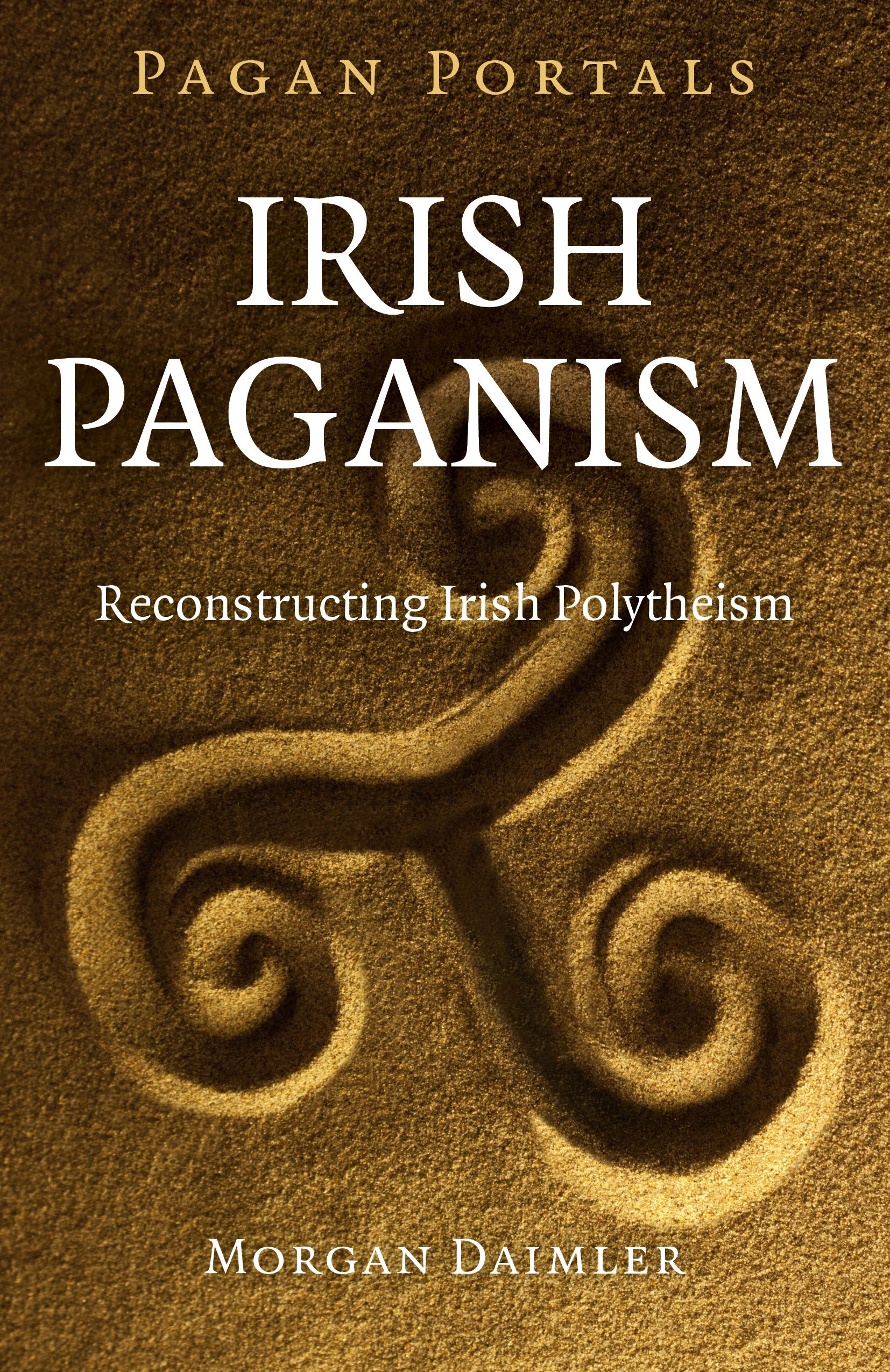
If you’re exploring the path of Irish polytheism, this book is a must-have companion for your journey.
Pros
- Concise and highly informative
- Excellent bibliography for further research
- Fluid writing style that’s easy to digest
Cons
- A brief overview, not an exhaustive guide
- Some may desire more in-depth ritual examples
- Limited illustrations which could enhance learning
Just finished flipping through the pages of “Irish Paganism,” and our fascination with the old ways of the Emerald Isle grows deeper. Within its modest length, the author, Morgan Daimler, introduces us to the essentials of Irish polytheism. It’s surprisingly comprehensive for its size, making the gods and spirits of ancient Ireland more accessible.
We appreciate the author’s approach to reconstruction. It feels like we’re being handed down wisdom from the ancestors, but it’s also clear that the work encourages personal exploration. The further reading section is an absolute treasure, pointing us toward a myriad of resources to broaden our understanding.
The brevity of the book does mean some topics are touched upon rather lightly. We find ourselves yearning for more – more myths, more history, more practical rituals. However, the succinct presentation ensures that it’s not overwhelming, which is perfect for us newcomers on the path.
Admittedly, there are moments we wish the book would conjure up vivid images of the deities and the sacred rituals. Still, the lack of illustrations also means our imaginations are not bounded as we visualize our interpretations of the divine. This book has become an integral part of our sacred evenings, discussing the spellbinding world that Irish Paganism unveils.
4) Paganism: An In-Depth Guide
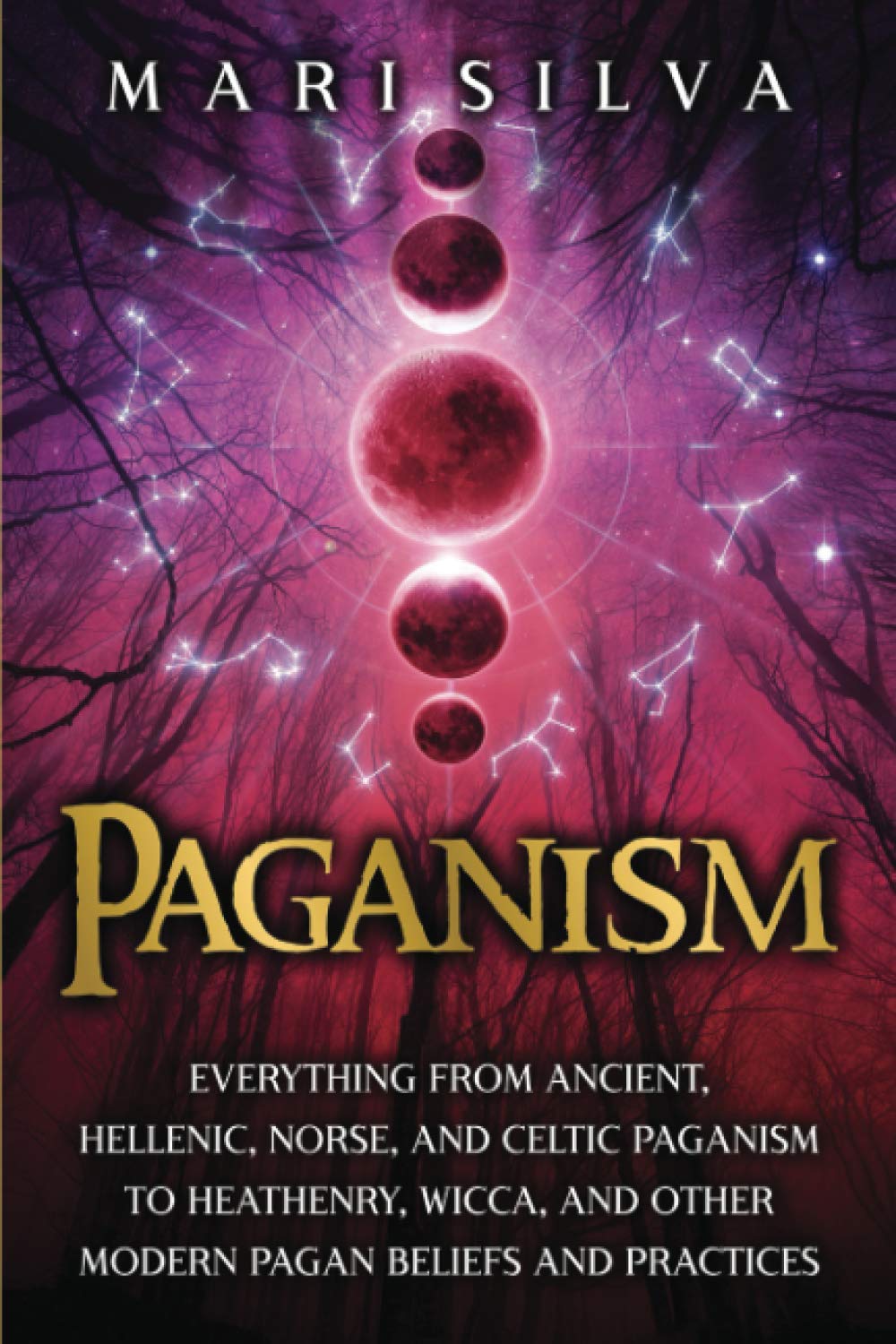
If you’re searching for an encompassing guide on various pagan traditions, this book might just be the guidepost you’ve been seeking.
Pros
- Provides a comprehensive overview of multiple pagan paths
- Clear and easy to understand for beginners
- Inspires further exploration within Pagan practices
Cons
- More seasoned practitioners might find the information basic
- Limited depth in the coverage of each tradition
- Could benefit from additional sources for deeper study
The versatility of “Paganism: An In-Depth Guide” is striking, as we’ve just journeyed through its pages. It serves as an excellent introduction, stringing together the fundamentals of Ancient, Hellenic, Norse, and Celtic Paganism, alongside other modern practices. The clarity of presentation is commendable, simplifying complex subjects efficiently.
We’ve noticed that the author does an exquisite job at defining paganism not by what it isn’t, but by what it is—rich and varied in practice and belief. Reading it felt like tracing the roots of a grand old tree, where every belief system branches out, grounded in nature and magic. This book spurred vintage tones of mysticism that complimented today’s understanding of Paganism.
However, we couldn’t help but wish for meatier content at times. The text skims over traditions, perfect for newcomers but lacking the depth that experts might crave. Nevertheless, the book points us towards further research and expansion of our spiritual libraries, which is invaluable for anyone on their Pagan path.
In wrapping up, “Paganism: An In-Depth Guide” is a doorway to the universe of paganism, marked by its inclusivity of various beliefs and ease of comprehension. It’s an excellent point of departure for those of us embarking on our spiritual journey, providing a solid foundation to build upon as we seek to enrich our mystical lives.
5) Miracles of Pagan History
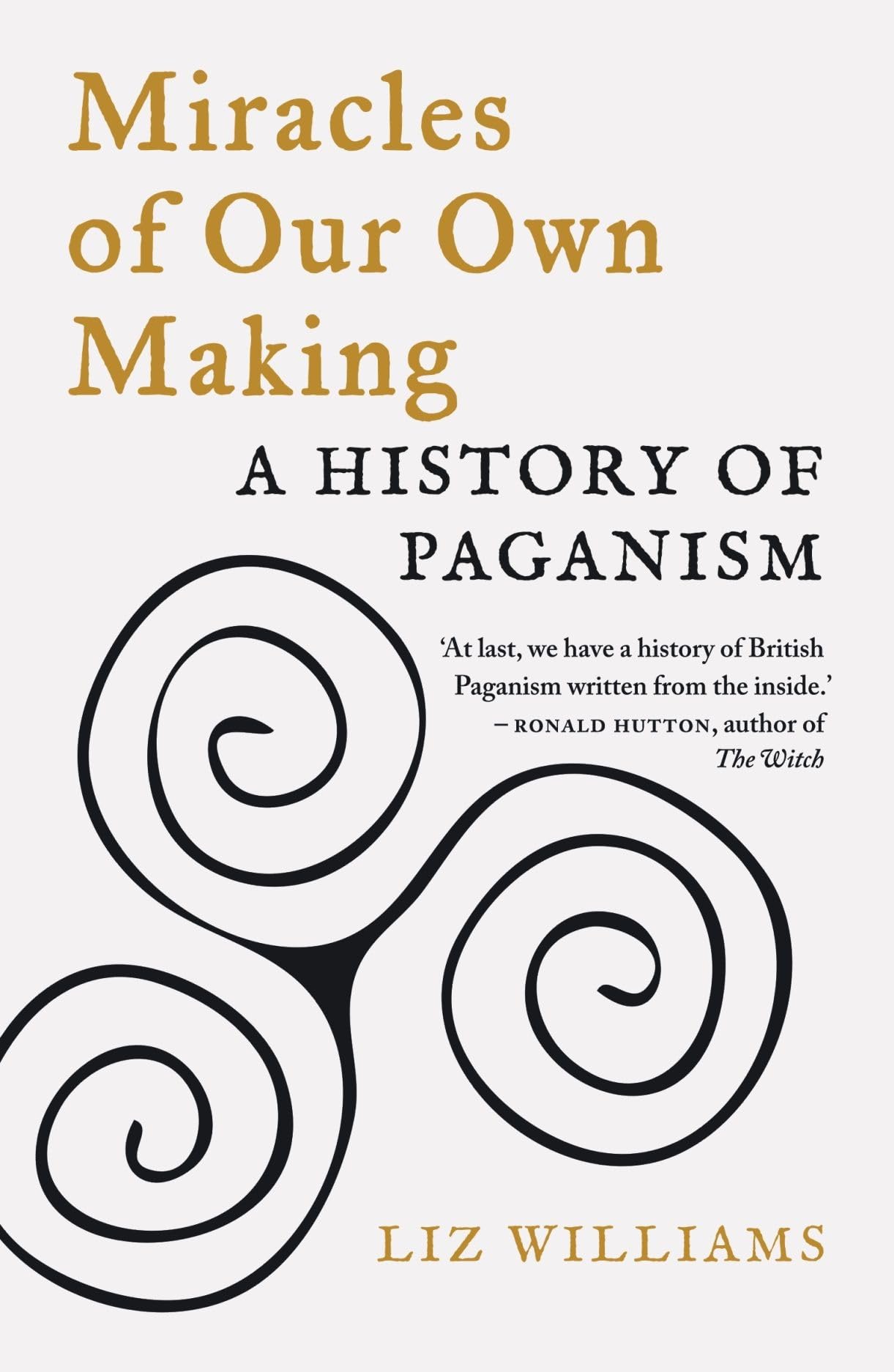
If you’re seeking to deepen your understanding of historical paganism, this exploration by Liz Williams shouldn’t be missed.
Pros
- Exceptionally well-researched
- Accessible writing style
- Provides a comprehensive history
Cons
- Heavily focused on British paganism
- May be too broad for some
- Dense for casual reading
Just finished thumbing through the pages of “Miracles of Our Own Making,” and I’ve got to say, it’s quite an eye-opener. This isn’t just a dry recount of old traditions. The author’s narrative feels alive, almost as if we’re walking through the history alongside her, witnessing the evolution of pagan beliefs in real-time.
We’ve all run into books that claim to offer a ‘definitive guide’ yet fall short. This one doesn’t make that claim, but ironically, it comes very close. Its pages are brimming with thorough research, and it succeeds in painting a vivid picture of paganism’s tapestry across the ages. Yet, what captivates us most is how the content resonates with the present, teaching us how past beliefs echo in today’s practices.
Taking a critical lens, the book’s vast scope can occasionally feel like a double-edged sword. It covers an assortment of traditions, which is fantastic, but if you’re yearning for an in-depth dissection of a specific pagan path, you may find yourself left wanting more. Also, the hefty focus on British history is perfect for those of us intrigued by the Isles but might leave others craving a more global perspective.
In our hands, the book felt substantial, weighty—not just in physical heft but in the wealth of knowledge packed within its pages. Our journey through its chapters was enlightening, often sparking conversations and debates about the origins of our own rituals and beliefs. While it’s not the kind of book you’ll breeze through in one sitting, its approachable style keeps the material from feeling overwhelming.
