Ancient healing practices span various civilizations and have persisted through millennia, often emphasizing a holistic approach to health. These traditions stem from profound philosophies and worldviews that see the human body and the natural world as deeply interconnected. The wisdom of ancient healers was gathered from keen observations of nature and a substantive understanding of human anatomy, which they applied through practices that aimed to restore balance and well-being.
The essence of these ancient modalities often resonates with modern seekers of wellness. Practices such as herbal remedies, reflexology, and energy therapies like Reiki have endured because of their potential to promote healing and harmony within the body. While modern medicine has made tremendous advances, the lure of these time-honored techniques lies in their simplicity, natural approach, and perceived capacity to address the underlying causes of imbalance, rather than just treating symptoms.
Key Takeaways
- Ancient therapies offer a holistic approach to wellness that modern practices sometimes overlook.
- These traditions are based on the intricate balance between the mind, body, and environment.
- The enduring nature of these practices is a testament to their perceived efficacy throughout history.
The Essence of Ancient Healing Traditions
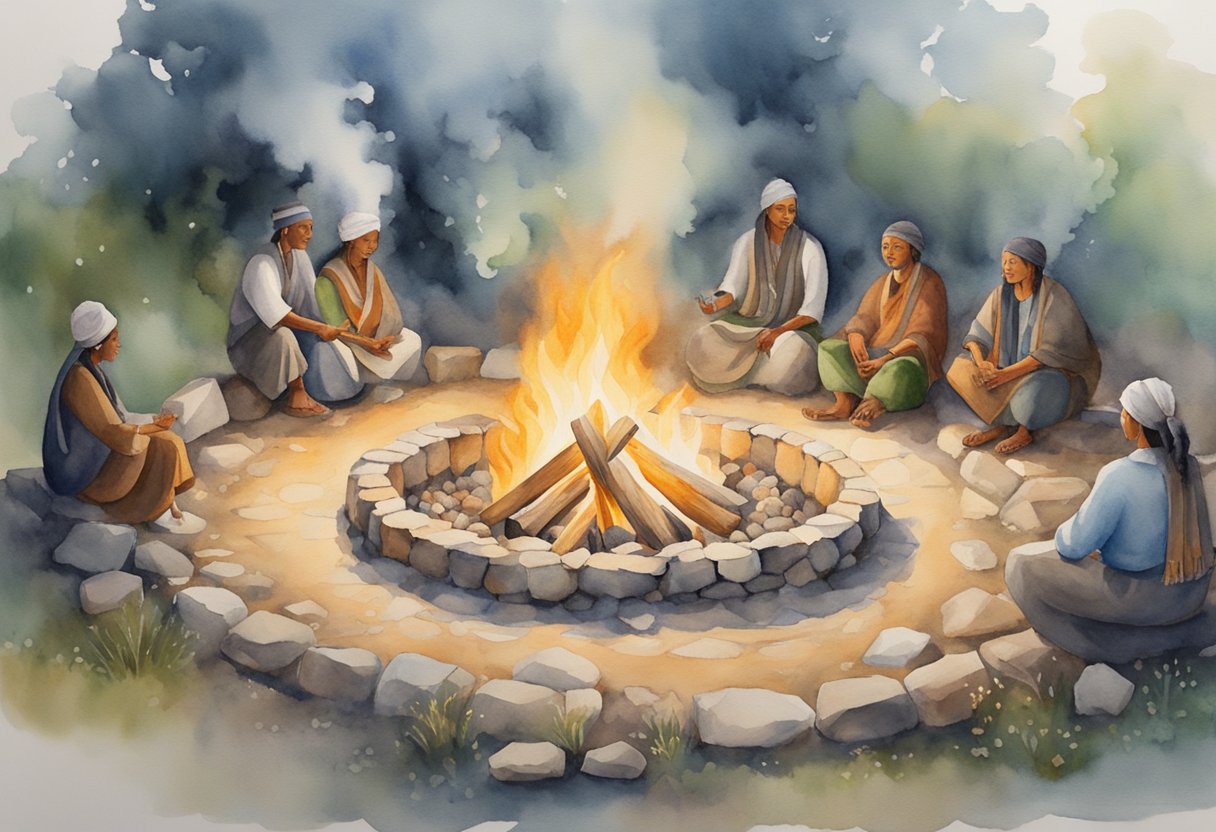
Ancient healing traditions come from a time where the boundary between the physical and the spiritual was indistinct. They embraced a holistic approach, looking at the individual’s entire being—body, mind, and spirit. Traditional healing methods weren’t just about treating symptoms; they were about restoring balance and harmony within the person and between the person and their environment.
- Holistic Approach: Considering all facets of a person’s health.
- Traditional Healing: Time-honored methods rooted in cultural practices.
- Healing Power: The capability to restore health beyond the physical.
In the heart of these traditions, the healing power is often considered to emanate from a mystical source. One might appeal to the gods, ancestors, or the universe itself, for intervention. Rites and ceremonies were conduits for channeling this cosmic energy to heal.
Ancient healing practices range vastly across cultures. The Chinese developed acupuncture, linking the body to a flowing life force, qi. Indigenous North Americans used herbal remedies in tandem with spiritual rituals to treat the sick. Egyptians combined magical spells with medicinal plants to ward off ailments.
- Acupuncture: Connecting physical health with life energy (‘qi’).
- Herbal Remedies: Utilizing plants’ natural properties for healing.
- Medicinal Plants: Nature’s bounty, believed to hold curative powers.
They believed that health was more than the absence of illness; it was the presence of vitality. This essence of ancient wisdom is what sets these age-old practices apart from some modern medical perspectives. Embarking on a healing journey meant aligning with the rhythms of nature and the cosmos, allowing the ineffable to infuse one’s being with wellness.
Pillars of Traditional Healing Practices

Just like the sturdy columns of an ancient temple, there are foundational elements that hold up the world of traditional healing practices. They bring together ceremonies, a bond with the natural world, and a deep spiritual engagement to create a holistic approach to well-being.
Ceremonies and Rituals
They’re the heartbeat of traditional healing methods. Through specific, often elaborate, ceremonies people seek to restore balance and health. It might be a rhythmic dance beneath the moon, murmuring age-old chants, or the lighting of herbs whose smoke carries prayers upwards. The purpose is clear: to purify the individual or group and to promote healing on a spiritual level.
Connection with Nature
Nature plays a starring role in the traditional healer’s toolkit. Medicinal plants are harvested with respect, and healers often impart knowledge about the deep ties humans have with the Earth’s elements. These bonds with the natural world are seen as vital, not just for the healing properties of herbs, but for the balance they bring to one’s life.
Spiritual Involvement
There’s no denying the mystical elements at play here. A person’s spirit and its connection to a wider spirit world become central. Healers act as intermediaries, diving into the essence of this connection to usher in spiritual growth and healing. The belief that all life is interconnected through spirit is fundamental, offering a pathway to not just physical wellness but holistic healing and enlightenment.
Herbal Wisdom and Remedies

Steeped in tradition and natural power, herbs have been reliable allies in healing practices across the globe. They are not just plants; they are a testament to ancient wisdom.
Medicinal Properties of Herbs
Herbs like sage, ginger, and turmeric aren’t just flavorful spices — they’re staples in herbal medicine with potent properties. Sage, with its earthy aroma, is more than a culinary herb; it’s known for its antioxidant and antimicrobial qualities. Described as a ‘universal cure’ by ancient herbalists, it has a historical reputation for improving memory and soothing sore throats.
Ginger, with its zesty kick, goes way beyond spicing up dishes. It has gained fame for its anti-inflammatory and gastrointestinal soothing effects. Then there’s turmeric; this golden spice isn’t just for curries. It contains curcumin, a compound that can decrease inflammation, potentially aiding in the reduction of pain and swelling.
Herbal Medicine in Different Cultures
Different cultures have relied on the healing magic of herbal remedies for millennia. Take Ayurvedic medicine, originating in India over 3,000 years ago. They use herbs like ashwagandha and holy basil not only for their physical healing effects but for their balancing impact on the body and mind.
In Native American traditions, herbs are more than medicine; they’re part of a sacred exchange with Mother Earth. Practices involved ceremonies and spiritual rituals, showcasing a deep respect for plant life. African healers, too, have long used local plants like rooibos and yohimbe to treat a myriad of illnesses, cementing the role of flora in medicinal and spiritual wellness.
Preparation of Herbal Remedies
When it comes to crafting remedies, the preparation methods are key to unlocking the herbs’ mystical powers. Herbal teas involve steeping dried herbs and can be wonderful for digestion or relaxation. Decoctions brew tougher plant parts like roots and bark, releasing those deep, grounding essences. Tinctures, meanwhile, often use alcohol to extract the medicinal components, creating concentrated drops that pack a powerful punch.
Individuals can create natural salves-some blend powdered herbs with oils and beeswax, designing balms that can soothe skin or muscle aches. Each preparation method has its own ritual, a modern reflection of ancient practices that celebrate the curative spirits of the plant kingdom.
Integrated Healing Methods
In the constellation of holistic health, integrated healing methods serve as the nexus where ancient wisdom meets modern practice. They’re about reigniting the body’s innate ability to heal itself, often through a harmonious blend of touch, energy manipulation, and contemporary science.
The Role of Physical Touch
They say human touch has its own language, whispering messages of comfort directly to the soul. Some ancient techniques, like the deep tissue massage of romiromi or the gentler mirimiri, are classic examples where touch is fundamental. Reflexology takes this concept even further, applying targeted pressure to hands and feet, tapping into the body’s meridians to unlock healing throughout various organs.
Energy Work and Healing
Energy work, in its mystical shimmer, is all about the unseen—the vital life force that flows through all living things. Reiki is a well-known form of energy healing, founded on the principle that a therapist can channel energy into another by means of touch, to activate natural healing processes. It’s akin to tuning a piano, but here, they’re fine-tuning human energies.
Incorporating Modern Techniques
Modern medicine can amplify the reach of these ancient practices. Acupuncture, with its roots in Traditional Chinese Medicine, now often integrates laser technology for needle-free stimulation. Similarly, energy healing methods are being enriched with contemporary understanding of human physiology, lending a fresh perspective to the dance between traditional and current medical wisdom.
Mind and Body Harmony
In ancient healing traditions, achieving balance between the mind and body was essential. They held the belief that one’s mental state could directly impact physical health, and vice versa.
Meditation and Mindfulness Practices
Meditation and mindfulness have long been recognized for their ability to reduce stress and promote balance. Meditation, as a practice, involves the quieting of the mind and has been used to enhance emotional well-being. Many traditions view meditation as a way to connect with a deeper sense of self and the universe, which in turn is thought to improve the flow of qi, or life force, within the body.
- Mindfulness, on the other hand, helps individuals focus on the present moment, often leading to a profound understanding and acceptance of one’s thoughts and feelings. This practice nurtures a sense of harmony, further fostering the mind-body connection.
Nutrition and Dietary Practices
Dietary habits were an integral part of holistic health. Ancient wisdom dictated that what one consumes can influence their physical as well as their spiritual well-being. The nutritional content of food, along with its energetic qualities, were carefully considered.
- Foods thought to contain life energy (qi) were specially chosen to balance different aspects of the body and mind.
- Specific diets were recommended to align with an individual’s unique constitution, often tailored to restore equilibrium and support healing processes.
Yoga and Physical Posture
Yoga is much more than physical exercise; it’s a way to integrate the spirit, mind, and body. The practice includes physical postures, breathing techniques, and meditation, each element contributing to the harmony of the whole self.
- Various poses or “asanas” work to strengthen the body and enhance flexibility, while also promoting mental clarity and calmness.
- Breathing exercises associated with yoga, known as “pranayama,” are believed to rejuvenate the body and help in managing stress and regulating the flow of qi.
Reverence for Ancient Civilizations
Across the globe, ancient civilizations have left an indelible mark on the field of medicine, inviting modern practitioners to look back with reverence. Their sophisticated approaches to healing encompass a blend of spirituality, herbalism, and philosophy that still resonate today.
Chinese Healing System
Ancient Chinese medicine is rooted in the mystical belief of Qi (vital energy) flowing throughout the body, maintaining people’s health and spirit. The system includes practices like acupuncture, where needles are inserted at specific points to balance Qi, and herbal medicine to support the body’s innate capacity for healing. Texts like the Huangdi Neijing (The Yellow Emperor’s Classic of Medicine) have been instrumental in laying the foundations for these time-honored treatments.
Greek Contributions to Healing
In ancient Greece, healing was deeply intertwined with the divine. Temples dedicated to Asclepius, the god of medicine, were centers for therapeutic and ritual healing. Hippocrates, often referred to as the “Father of Medicine,” revolutionized Greek medicine by proposing that diseases had natural, not supernatural, causes. His astute observations led to the Hippocratic Oath, which to this day guides the ethical practice of medicine.
Egyptian Medicine Wisdom
The ancient Egyptians revered healing as a sacred art. Their medical knowledge, as recorded in the Ebers Papyrus, includes detailed remedies and surgical procedures. This document offers insights into their blending of practical care with magical incantations, showing an intricate system where physical and spiritual healing were inextricably linked. Egyptian medicine was highly advanced for its time, with physicians specialized in specific areas such as ophthalmology or gastroenterology.
Engaging the Elements
Ancient traditions often view the natural elements as vital to the body’s healing processes. They incorporate various practices involving water, earth, and plants that have stood the test of time and continue to be relevant in modern therapeutic contexts.
Water Therapies
Water’s therapeutic use, primarily through baths and saunas, harnesses its soothing properties. A calming soak in a tub, often infused with minerals like salt or even compounds from copper, can aid in relaxation and promote healing. Saunas also leverage water’s heat-retentive quality, stimulating sweat and detoxification—quite a mystical cleanse, they believe.
Earth’s Minerals and Healing
Earth provides an abundance of minerals that are central to various healing practices. Folklore often points to the earth itself as a medium of restoration, with copper being a notable element utilized for its purported anti-inflammatory and antibacterial properties. Healers might employ salt in multiple forms, from crystals to mud baths, tapping into its purifying capabilities theorized to draw out physical and energetic impurities.
Plant-Based Healing and Aromatherapy
Plants are a cornerstone in the realm of natural healing methodologies, with herbal medicine predating many modern practices. Ancient healers rely on a wide variety of plants, such as cedar, for their supposed medicinal properties. In aromatherapy, essences extracted from plants aim to balance one’s emotional and spiritual state, suggesting a person can find harmony with the natural world through scent. It’s like the air itself carries whispers of well-being.
Specialized Traditional Therapies
Traditional therapies often carry a sense of the mystical, a connection to the ancient wisdom rooted in their respective cultures. They range from the precise insertion of needles to balance the body’s energy to holistic approaches that consider the entire person’s well-being.
Use of Acupuncture
Acupuncture is a therapy originating from traditional Chinese medicine. Fine needles are inserted at specific points to stimulate the body’s qi (chi), or vital energy. This practice aims to restore harmony and balance within the individual.
Ayurveda’s Healing Philosophy
Ayurveda, hailing from India, is not just a form of treatment but a comprehensive healing philosophy. It revolves around maintaining the balance of the body’s three doshas: Vata, Pitta, and Kapha. Practices include herbal medicines, diet changes, and massages.
Shamanic Healing Practices
Shamans are the healers in numerous indigenous cultures, mediating between the physical world and the spiritual. Their practices often involve rituals, prayers, and natural remedies. They address not just the body but also the spirit and the community’s overall wellbeing.
