
Candlemas is a time of the year that carries a unique blend of history and spiritual tradition, connecting you to ancient celebrations of light and life. Falling on February 1st or 2nd, this festival has roots in both Paganism and Christianity but carries its own distinct meaning in each tradition. For Pagans, particularly those following Celtic-inspired paths, it is deeply intertwined with the reverence for nature’s cycles, as the earth slowly awakens from the slumber of winter. Candlemas, also known as Imbolc, is recognized as a time to celebrate the stirring of new life and the return of light as days begin to lengthen.
If you’re delving into the historic practices of paganism, you’ll encounter Candlemas as a milestone in the Wheel of the Year, marking the halfway point between the winter solstice and the spring equinox. It’s a season filled with symbolism, often associated with the Pagan goddess Brigid, who embodies the promise of renewal and the coming fertility of the land. Modern celebrations may vary, but the themes of purification, the lighting of candles, and the honoring of the divine feminine remain central to the observance. This time is a reminder that even in the coldest times, warmth and brightness are on the horizon, and life continues its ever-turning cycle.
Your celebration of Candlemas might include crafting Brigid’s crosses, lighting candles to symbolize the return of the light, or simply taking a moment to reflect on the quiet growth that’s happening beneath the surface. Regardless of how you mark the occasion, it’s a perfect moment to pause and recognize the beauty in the gradual return of light to the world.
Key Takeaways
- Candlemas is a celebration that bridges Christian and Pagan traditions, focusing on light and renewal.
- It honors the Pagan goddess Brigid and the reawakening of nature as winter wanes.
- Modern Pagans observe Candlemas with rituals that highlight purification, light, and fertility.
[su_button url=”https://amzn.to/4iB8iJY” background=”#a62def” color=”#ffffff” size=”10″ icon=”icon: magic”]Shop Witchy Supplies[/su_button]
Historical Roots of Candlemas

Imbolc Origins
Long before Candlemas landed on your calendar, February 2nd was pegged for a pagan celebration called Imbolc. This day honored the Celtic goddess Brigid, who kindled the fires of life after the long, cold winter. In Ireland, Imbolc was a festival signaling the beginning of spring, a time for weather divination and the lighting of fires. It was also a festival of hearth and home, and a celebration of the lengthening days and the early signs of spring.
Transition to Christianity
As centuries turned, Christianity began to weave itself into the fabric of many cultures, repurposing pagan traditions along the way. Imbolc morphed into the feast of St. Brigid, marking a transition where the goddess Brigid became absorbed into the persona of one of Ireland’s most venerated saints, St. Brigid of Kildare. Eventually, Imbolc took on a new identity as Candlemas, a Christian holy day commemorating the presentation of Jesus at the Temple and the purification of the Virgin Mary. Despite these shifts, the essence of a celebration of light and the midpoint of winter remained deeply rooted in the festival.
Customs and Symbolism
Fire and Light
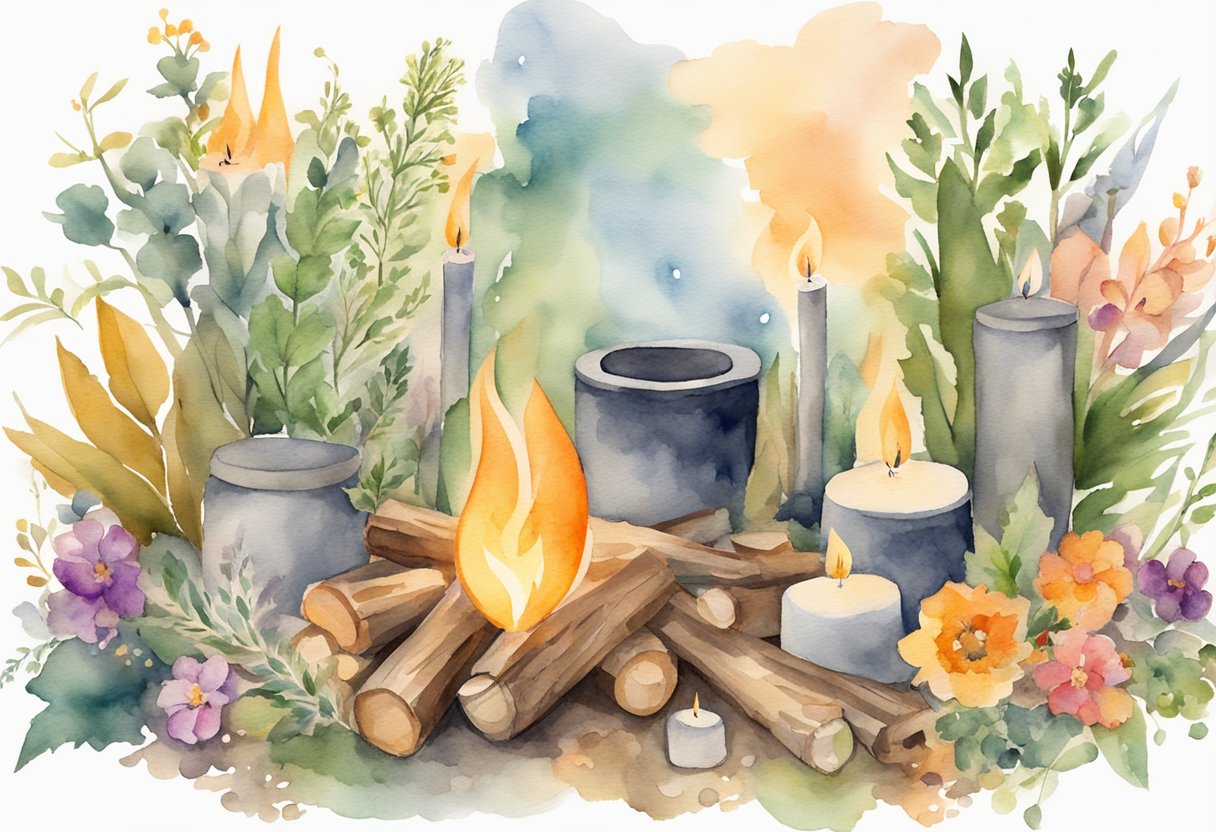
Candles aren’t just for setting the mood; in your Candlemas celebrations, they’re a symbol of the returning warmth of the sun. Lighting candles or a bonfire echoes the transformation from dark winter days to the promise of spring. The very act of lighting a flame is considered a ritual of purification, getting rid of the old to welcome the new.
Brigid’s Symbols
You’ll often see Brigid’s cross at Candlemas, a symbol of protection and a nod to the goddess Brigid. Made from rushes or straw, it’s not just decorative—it’s a way to honor the deity of fire, poetry, and healing. Keeping one in your home is said to shield it from harm.
Celtic Ritual Elements
Imbolc is steeped in deep Celtic roots, and an altar plays a central role in its observance. Crafting an altar with seasonal greenery, adding symbols of spring, or even a small bowl of milk reflects the fertility and renewal themes linked to this sabbat. Your rituals can be as simple or elaborate as you choose, but they’re all about embracing the cycle of life and nature’s rebirth.
Each element, from the flame of your candles to the design of your altar, is an intimate piece of the age-old Candlemas. You’re continuing a tradition that’s as timeless as it is mystical, giving a nod to the old ways while you make them your own.
The Goddess Brigid
Brigid in Pagan Lore
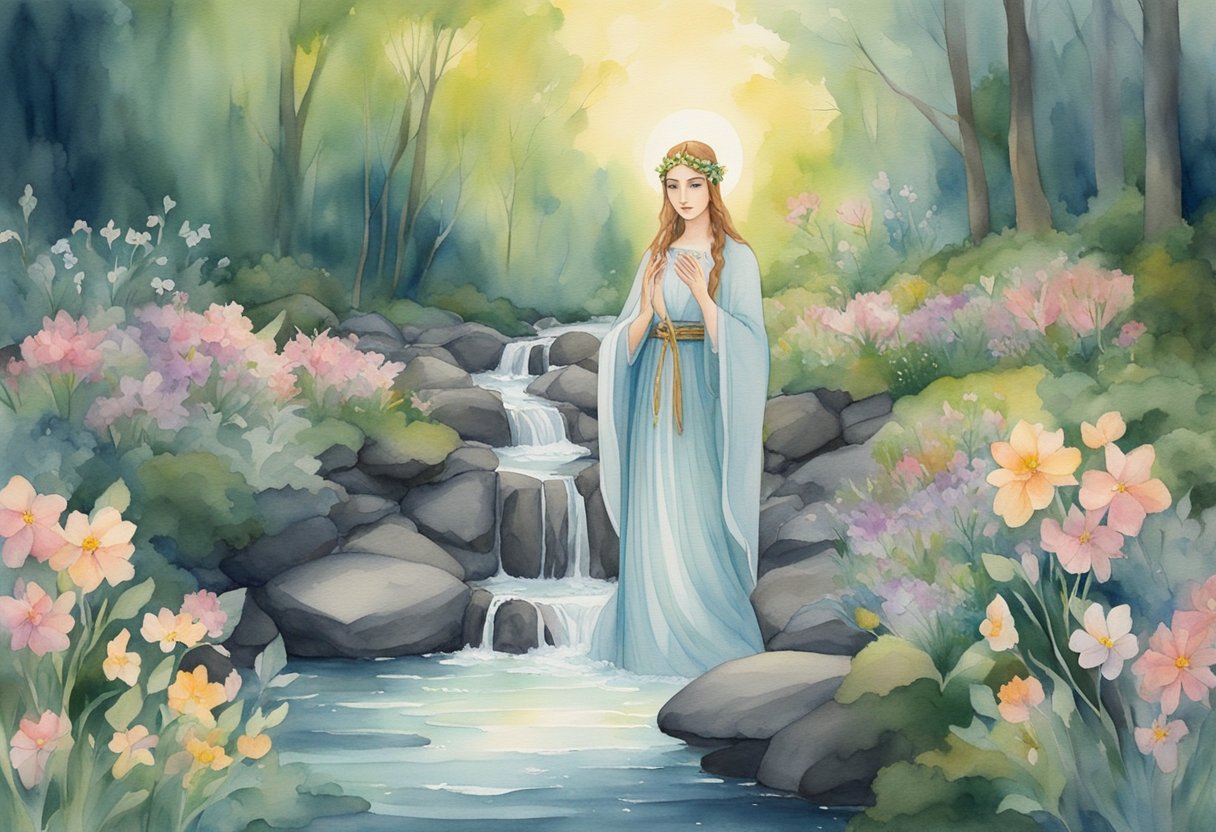
You might recognize Brigid by her associations with healing, fertility, and poetry, but did you know she’s a total powerhouse in pagan beliefs? As a Celtic goddess, people saw her as a symbol of the arrival of spring, rebirth, and all things that make the earth flourish once again. She was also the patron of other important things like crafts and creativity—pretty cool, right?
The Role of Brigid:
- Healing: She’s like the go-to divine being for health and wellness.
- Fertility: Both land and animals, including cattle, found a caring protector in her, which was a big deal back then.
- Poetry: If you had a way with words, Brigid was your muse.
- Crafts: Her blessing was sought by skilled craftspeople, hoping to create wonders.
Celebrations of her greatness happened around Brigid’s Day, which coincided with Imbolc on February 1st. Folks would craft Brigid crosses out of reeds—pretty little symbols meant to keep evil, fire, and hunger at bay.
Transformation into Saint Brigid
When paganism met Christianity, Brigid found herself in a kind of spiritual makeover. She transformed from a goddess into one of Ireland’s most beloved saints: Saint Brigid of Kildare. Legend has it that she was a compassionate nun with this awe-inspiring ability to perform miracles, like healing folks and animals.
Saint Brigid’s attributes didn’t fall far from her tree as a goddess:
- Healing: Miraculous cures were her jam.
- Fertility: She kept that connection to life and vitality.
- Virgin: Taking a vow of chastity, she became a virgin saint, emblematic of purity.
People celebrate St. Brigid’s Day on February 1st, much like they did for the goddess. The town of Kildare became a significant spot, where you’ll find an eternal flame kindled in her honor—because she’s not just any saint, she’s the patron saint of healers, poets, smiths, cattle, and more. If you’re into women who shape history, she’s your lady—a saint hailed for her unyielding compassion and, yep, that boundless creativity.
Modern Pagan Celebrations

Domestic Rites
At home, you might feel inclined to set up an altar with candles to symbolize the Sun’s rebirth. It’s common to include representations of nature – think pine cones, evergreen sprigs, or early spring flowers. You can light these candles with the intent to bring energy and blessing into your space. It’s a meaningful way to mark the sabbat and ignite a bit of warmth and clarity within your household.
Community Gatherings
If camaraderie is your thing, community gatherings are the place to be. Picture this: a group of kindred spirits coming together, perhaps sharing a feast or participating in a ritual. It could be a public celebration of Imbolc rituals, with shared stories of St. Brigid or a collective observance of the festival’s origins. Festivities might take place outdoors, allowing everyone to really soak in the seasonal shift and the spirit of nature’s awakening.
Solitary Practices
Now, for you solitaries out there, Candlemas is no less rich in spirit. Whether you’re quietly reflecting or performing Imbolc rituals alone, the intimacy of your practice allows for a deeply personal connection to the sabbat. You could take a nature walk to meditate on the changing seasons or craft St. Brigid’s crosses as symbols of protection and blessing. It’s your time to tune into the subtle shift of energy and welcome the light in your own unique way.
Nature and Fertility
Springtime Reawakening
You’ve weathered the cold, the snow, and the bare branches. Now imagine peering out your window to see the first hints of greenery as nature stirs from slumber. That’s what Candlemas is all about—the undeniable warmth that seeps through the frost, signaling spring’s soft rebirth. With the earth waking up, seeds start their initiation into new life. This time holds a special place in the hearts of those who follow the old Celtic ways, especially as ewe’s milk begins to flow, a sure sign that nature’s cycle continues.
Symbols of Fertility and Renewal
Think of the rich symbols you encounter during Candlemas. Candles flame as a beacon of warmth and love, casting away the shadows of winter. They’re like little torches of hope, igniting your anticipation for the season ahead. Then there’s the Brigid’s Cross, a craft from straw, heralding the return of the fertility goddess herself. Seeds become sacred now, each one a promise of new life poking through soon-to-be-thawed soil. Modern pagans often hold these symbols dear, planting actual seeds or dedicating figurative ones—intentions or goals, ripe for the manifesting. It all boils down to honoring that unstoppable force: life keeps going, pushing forward with fresh starts and new beginnings.
[su_button url=”https://amzn.to/4iB8iJY” background=”#a62def” color=”#ffffff” size=”10″ icon=”icon: magic”]Shop Witchy Supplies[/su_button]
