

Immerse yourself in the enchanting world of dream catchers, a fascinating component of Native American culture that carries deep meaning and purpose. Originating from the Ojibwe people, these intricate objects are much more than mere decorations. They’re revered as protective charms, believed to snare bad dreams in their woven webs while allowing good dreams to pass through the center hole and glide down the feathers to the sleeper below. The round shape of the dream catcher is symbolic, too, as it mirrors the circle of life and the continuous journey of the sun and the moon across the sky.
Traditionally handcrafted, a dream catcher is thoughtfully composed of a hoop made from willow, a webbing that mimics the pattern of a spider’s web, and various embellishments like feathers, beads, and sometimes semi-precious stones. Each element holds significance: the hoop represents strength and unity; the web catches and neutralizes negative dreams; and the feathers serve as a soft ladder for positive dreams. Over time, they’ve come to embody a connection to the natural world, a respectful nod to the spider’s skill, and the value of good dreams in Native American mythology.
Key Takeaways
- Dream catchers are symbolic charms in Native American culture that are believed to protect sleepers from bad dreams.
- Every part of a dream catcher, from the hoop to the feathers, has specific significance and is crafted with intention.
- These spiritual tools are deeply connected to nature and embody important aspects of the circle of life and Native American beliefs.
[su_button url=”https://amzn.to/4iB8iJY” background=”#a62def” color=”#ffffff” size=”10″ icon=”icon: magic”]Shop Witchy Supplies[/su_button]
Historical Origins and Cultural Significance

Native American Roots
Dream catchers are rooted deeply in the world of Native American culture, especially within the Ojibwe (also known as Chippewa) and Lakota tribes. Originally, these objects served as a form of spiritual protection, designed to catch any harm that might be lurking about in the air. The Ojibwe Nation refers to them as “asabikeshiinh”, which means “spider,” pointing to the web design that’s central to their function and meaning.
Ojibwe Nation and the Legend of Asibikaashi
The Ojibwe people tell a captivating tale about Asibikaashi, the Spider Woman. You see, Asibikaashi took care of the children and the people of the land. Yet, as the Ojibwe nation spread across North America, she couldn’t reach all children every night. So, the mothers and grandmothers crafted these dream catchers, weaving them like the web of a spider, to snag and neutralize any bad dreams or negative forces before they could disturb their sleeping kiddos.
Lakota Interpretations
Now, the Lakota have their own spin on things. In their version, it’s actually the good dreams that are kept inside the web. The idea here is that the beneficial dreams are captured and slide down the feathers to the sleeping individual, while the bad vibes bounce off and find their way out. It’s a different angle but the essence—a spiritual sentinel over one’s sleep—is shared across the tribes.
Symbolic Representations and Meanings
Each part of a traditional dream catcher has its own significance:
- The circle or hoop embodies the circle of life and the cyclical nature of the earth and life.
- The web, with its design akin to that of a spider’s artwork, is a filter catching unwanted dreams or thoughts.
- Feathers act as a soft ladder allowing good dreams to gently descend upon the dreamer.
- Beads can represent the spider or various other elements, like good dreams themselves.
There you have it; the essence of the dream catcher intertwines with the fabric of Native American life and cosmology. Each dream catcher is not only a token of ancient history but also a personal representation of wishes for protection, good dreams, and a connection to the old teachings and nature itself.
The Design and Components of a Dream Catcher
The Hoop and Web
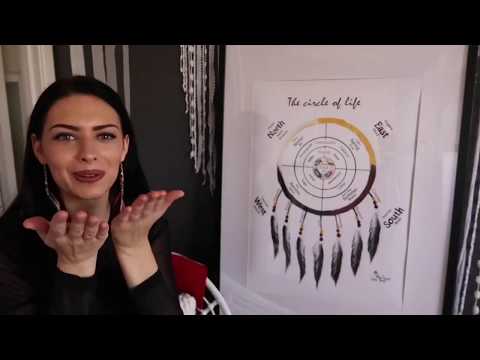
The hoop, frequently made from a flexible wood such as willow, serves as more than just the frame of your dream catcher. It embodies the circle of life, with no beginning or end, a continuous loop that holds the web. Inside the hoop, you discover a web or net, often crafted from sinew or natural fibers, echoing the intricate design of a spider’s web. This net is designed to capture bad dreams in its complex pattern while allowing good dreams to slip through.
Feathers, Beads, and Additional Elements
Beneath the hoop dangle feathers, which are believed to help guide good dreams to you gently. Imagine each feather as a soft ladder for pleasant dreams to glide down. Beads, often incorporated within the web or added onto the dangling feathers, carry their own stories and can represent caught dreams. While wood and natural materials are common, many dream catchers may also incorporate other elements that hold meaning to the creator or the receiver, enhancing its mystical allure.
The Dream Catcher in Practice

Catching Good Dreams and Warding Off Nightmares
In Native American tradition, particularly among the Ojibwe people, dream catchers are believed to protect you while you sleep. The idea is that bad dreams get caught in the webbing and perish with the first light of dawn, while good dreams find their way through and slide down the feathers to the sleeper below. You can imagine them as your personal night guardians, ensuring that nightmares are kept at bay and only positive dreams are allowed to pass through.
- Proper Placement:
- Hang your dream catcher above the bed where you sleep.
- For protection elsewhere, like in a nursery or workspace, place over a window or the rearview mirror of your car.
In essence, these charmed circles act as a filter for good energy, setting the stage for tranquil sleep and pleasant dreams.
Proper Uses in the Modern World
Dream catchers aren’t limited to traditional settings anymore. Today, they’re seen as versatile charms that mesh the mystical with contemporary lifestyle. It’s about bringing that sense of protection and spirituality into your modern-day hustle.
- Decoration with a Purpose: By incorporating a dream catcher into your home decor, you’re doing more than just spicing up the ambiance. You’re inviting an age-old protector into your living space.
- A Thoughtful Gift: Giving someone a dream catcher is more than a gesture; it’s wishing them safety and sweet dreams.
Just remember that when you’re choosing or using a dream catcher, it’s about respect for its origins and meaningful application. It’s more than an accessory; it’s a piece interwoven with intention and history.
Remember, the key is intentionality. Where and how you use a dream catcher contributes to its effectiveness in your everyday life. Use them thoughtfully as a bridge between the mystical realm of dreams and your tangible reality.
Creating and Caring for Dream Catchers

Making a Dream Catcher
Making a dream catcher involves a thoughtful process where every material contributes to its power and purpose. You start with a willow hoop, embodying strength and flexibility, to create the frame. The hoop is then webbed with a string in a pattern that mimics a spider’s web, channeling good energy and trapping bad ones like a filter.
Here’s what you’ll need:
- Willow hoop or wooden hoop
- String, yarn, or sinew
- Scissors
- Beads and feathers
- A good dose of creativity and patience
Now, it’s your turn to weave the web, starting from the center and working your way outwards. You can add beads—each representing a good dream that’s allowed to descend gently upon you. As you thread the feathers, which serve as the soft bed for the good dreams, imagine them as the tender whispers from grandmother herself.
The Significance of Crafting Materials
Every material in a dream catcher brims with intent. By choosing natural materials like wood or red willow, you embrace the traditional roots from which these artefacts sprang forth. Feathers, varying from one dream catcher to another, carry the lineage of the bird they came from, adding their unique energy. Suppose you choose the eagle feather; you’re inviting clarity and perspective.
Feel free to engage with each bead’s color and texture, imbuing your craft with personal meaning or guidance from a spiritual leader. Remember that every component is more than just aesthetic; it’s a totem that embodies ancestral wisdom.
Positioning and Maintaining Dream Catchers
Now, let’s talk DIY maintenance. You’ll want to hang your dream catcher where the morning light can touch it; this is believed to purify the dreams and burn away the bad omens caught during the night. To keep the good vibes rolling, give it a gentle cleanse now and then to dust off any negativity.
Maintenance Tips:
- Lightly dust your dream catcher regularly to keep it clean
- Avoid placing it in damp areas to protect the natural materials
- If the feathers seem ruffled, gently straighten them with your fingers
- Keep the dream catcher away from direct sunlight to preserve the colors
With the will of the weaver and the breath of the land, your dream catcher isn’t just a piece of arts and crafts; it becomes a sentinel of serenity, maintaining the balance between the physical and spiritual realms right in your cozy corner.
Cultural Perspectives and Ethical Considerations

The Pan-Indian Movement
The Pan-Indian Movement arose in the 20th century as a way for Native American tribes to unite and address common issues. Through this movement, symbols like the dream catcher became known across different tribes, transcending their original cultural boundaries. Initially specific to the Ojibwe people, whose story of the spider woman, Asibikaashi, speaks of her role in protecting the children by weaving magical webs, dream catchers have become a shared symbol among Native Americans.
Appreciation Vs. Appropriation
When you encounter dream catchers today, it’s vital to distinguish between appreciation and cultural appropriation. Genuine appreciation involves understanding Native American culture and the historical significance of these talismans. Conversely, cultural appropriation can occur when dream catchers are commoditized without respect for their origins—transformed into earrings, necklaces, or other jewelry that’s stripped of meaning and mass-produced. Remember, when a sacred element of a culture is treated as a mere fashion statement, it can be quite hurtful to the people for whom it carries genuine significance.
Dream Catcher Use in Popular Culture
Dream catchers have found their way into popular culture as souvenirs and arts and crafts projects, but this might not always honor their symbolic roots. Your interest in them might be pure, but it’s good to know the full story. While they’re seen as protective talismans within Native American cultures, when you see a dream catcher hanging from a rearview mirror or featured in a movie as just a ‘cool’ artifact, it’s a reminder to think about symbolism and context. They’re not just decorative pieces; they’re layered with meaning and history from the Native American perspective.
Dream Catchers in the Larger Context of Native American Beliefs

Connection with Nature and the Universe
Imagine yourself stepping into a world where every piece of nature is interlinked, creating a vast, living tapestry. This is how dream catchers resonate with Native American views of the universe. They serve as a testament to the belief that all elements of nature are intricately connected. The spider web design at the center of a dream catcher isn’t just there for show; it’s a symbol of life’s complex web and how you, like a spider, can manifest your own destiny within it.
- Spider web: Represents the complexity of life and the universe.
- Nature: Central to the dream catcher’s meaning, symbolizing interconnectedness.
The Circular Form as a Symbol
Now, look at the circular shape; this isn’t just a pleasing design choice. It embodies the Native American concept of the circle of life and the endless cycle of day and night, the changing seasons, and even life and death. It’s all encompassing and symbolizes Mother Earth herself, with every thread in its web reminding you that you’re part of a larger, shared existence.
- Circular shape: Mirrors the ongoing nature of life and the earth’s cycles.
- Mother Earth: The circle represents her embracing all life.
Dream Catchers as Sacred Items
Finally, dream catchers hold a sacred spot in Native American culture. They aren’t just talismans for warding off bad omens; they’re carriers of good energy and positive dreams. They’re hung with hope for healing, seen as protectors, and respected as important symbolic items that embody the culture’s respect for the forces of the earth and the universe.
- Sacred items: More than trinkets, dream catchers are respected for their deeper significance.
- Positive dreams: Capture and channel the good energies, reinforcing hope and life.
[su_button url=”https://amzn.to/4iB8iJY” background=”#a62def” color=”#ffffff” size=”10″ icon=”icon: magic”]Shop Witchy Supplies[/su_button]
