
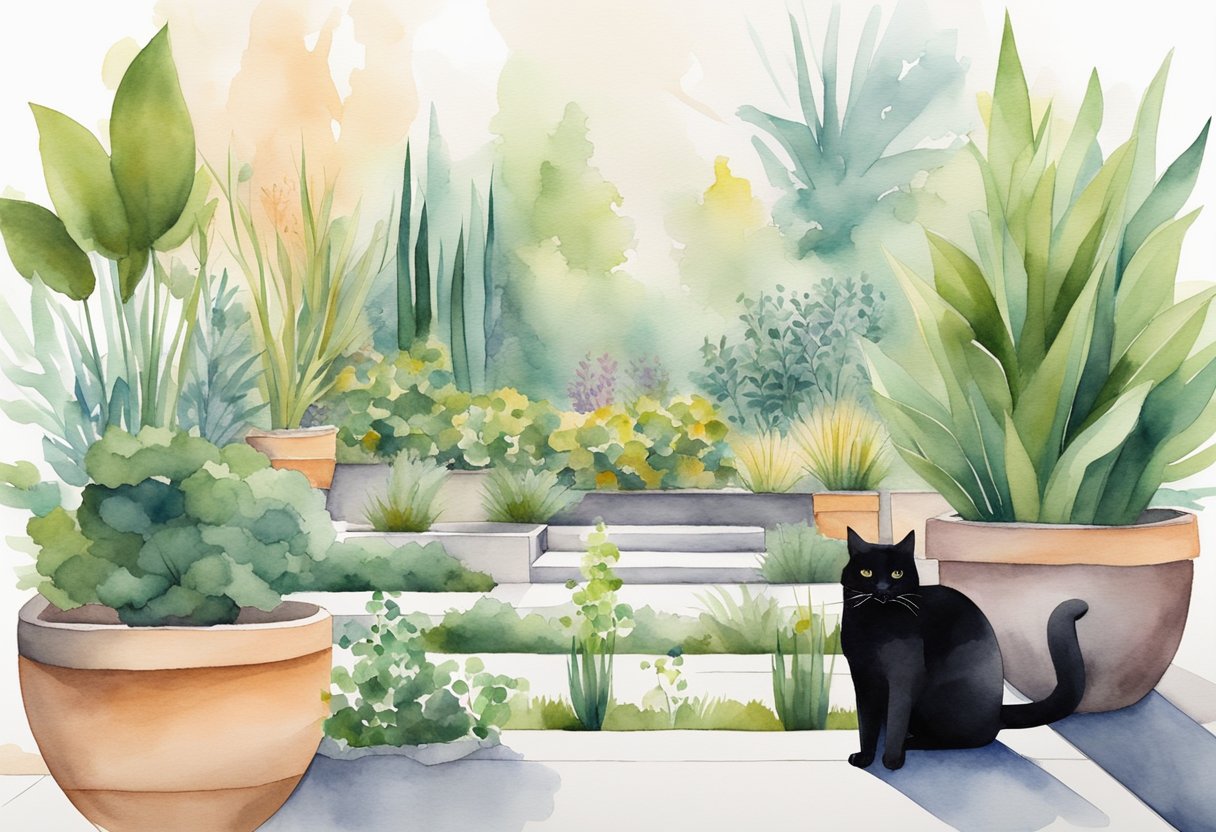
Creating a witch’s garden is an enchanting way to connect with nature and the magical realm. By cultivating an area devoted to plants and herbs resonant with mystical energies, gardeners can create a sanctuary of growth, not just for their botanicals but for their own spiritual practices. Such gardens are often designed with intent, incorporating elements that align with the Earth’s energies while also serving as a space for ritual and reflection.
Selecting the perfect location for a witch’s garden involves considering sunlight, soil quality, and the natural energies of the space. Each plant chosen carries its own symbolism and magic, making the act of planting an exercise in intention and intuition. The garden becomes a living, breathing space where the cycles of nature are revered and the harmony between the gardener and the Earth is nurtured.
Key Takeaways
- A witch’s garden is a space for connecting with nature and practicing rituals.
- Location and plant selection are critical for aligning with natural energies.
- The garden is a vessel for both botanical growth and spiritual development.
Selecting the Perfect Location

Selecting an optimal location is a fundamental step in creating a witch’s garden. It’s where nature’s energy converges with personal intent to foster a vibrant and mystical environment conducive to growth and magic.
Understanding the Importance of Right Location
A witch’s garden requires a special space where the plants receive ample sunlight and the soil embraces each root with rich, nurturing care. One must ensure that the chosen area is bathed in sunlight for at least six to eight hours a day, as most magical herbs and plants bask in the glow to reach their full potential. The quality of soil, crucial in the nurturing process, should be well-draining and flourishing with organic matter.
Creating a Sanctuary in the City
For those in urban environments, connecting to the natural world through a witch’s garden becomes a sacred act of rebellion against the concrete sprawl. One need not have boundless greenscapes to align with the Earth’s energies; a secluded balcony or a quiet rooftop corner can equally serve as a sacred space. However small, the area should feel like a private retreat from the buzz of city life, a place where greenery can thrive and positive energy can flow unimpeded.
Considering Privacy and Space
Privacy in a witch’s garden isn’t just about seclusion; it’s about creating a haven where personal energy is retained and focused. This space should feel secure and undisturbed, where rituals and spells can be performed without interruption. If space is limited, they can utilize vertical gardening techniques, using hanging plants and shelves to maximize their oasis. Privacy screens made of natural materials can also help in creating discreet and tranquil surroundings for one’s enchanting botanical practice.
Designing Your Witch’s Garden

Designing a witch’s garden is a sacred process that blends practical horticulture with esoteric principles. One creates a space that’s not only visually pleasing but also spiritually significant.
Incorporating Elements of Magic
To infuse the garden with magical essence, one can incorporate the four elements—Earth, Air, Fire, and Water—into the design. Positioning stones and crystals amplifies Earth energies, while wind chimes or feathery plants can represent Air. For Fire, adding candles or a small fire pit brings warmth and light. Water features or a birdbath can encourage the flow of Water’s energies. It’s common to delineate sacred spaces within the garden, such as casting a pentagram, to create a potent magical circle where these elements converge.
Planning for Growth and Harvest
Thoughtful planning ensures that the garden supports continuous growth and bountiful harvests. Planting should be done in phases, considering the life cycles and peak growth times of each plant. This staggered approach maintains a balance of energy and allows one to harvest regularly without depleting the garden’s vitality. It’s essential to understand the magical properties and corresponding harvest times for each herb and plant to align with one’s spellwork and rituals.
Utilizing Garden Beds and Altars
Garden beds and altars serve as the focal points of a witch’s garden. Raised garden beds can be arranged in aesthetically pleasing patterns that respect the garden’s overall design. Altars are often placed at the center or at a cardinal point of the garden, where they can be used for daily rituals, seasonal celebrations, and as spaces to meditate or practice magic. By integrating altars with the natural growth, one creates a seamless unity between the gardener’s intentions and the living landscape.
Choosing Plants and Herbs for Your Garden

One’s witch’s garden is not just a space of botanical beauty but a sanctuary of mystical properties and practical uses. It’s here where the gardener weaves together plants that offer healing, flavor, and aromatic pleasure.
Selecting Medicinal and Culinary Herbs
The wise gardener knows that medicinal herbs are the cornerstone of any witch’s garden. They choose Basil for its immune-strengthening abilities and its versatility in the kitchen. For example, Mint (Mentha), while excellent for aiding digestion, needs restraint as it can aggressively occupy space, hence planting it in pots is prudent.
- Medicinal Herbs:
- Basil – antibacterial, immune support
- Mint – aids digestion; contain in pots to manage growth
Focusing on Edible Plants and Flowers
A garden isn’t complete without the infusion of taste and sustenance. Gardeners often incorporate edible flowers like calendula and violets to impart subtle flavors and vibrant colors to their culinary creations. They understand that many plants offer both nourishment for the body and charm to the eye.
- Edible Plants:
- Calendula – peppery taste, adds color
- Violets – floral flavor, decorative
Highlighting Aromatic and Healing Plants
They fill their gardens with plants that touch the senses, such as lavender and chamomile, which are revered not only for their relaxing scent but also for their therapeutic properties. These choices tend to the soul as much as they do to the physical well-being.
- Aromatic and Healing Plants:
- Lavender – soothing aroma, aids in relaxation
- Chamomile – calming effects, helps in sleep inducement
Gardeners with a mystical bent choose their plants with intention, each selection a reflection of both purpose and passion.
Incorporating Witchcraft and Rituals

A witch’s garden is not only a place of botanical beauty but also a sacred space where witchcraft and rituals intertwine with the natural world. It’s a haven where tools, symbols, and nature coalesce to enhance magical practices.
Utilizing Tools and Symbols
A witch understands the power of symbols and tools in amplifying magick. The garden becomes a potent environment for witchcraft when it incorporates items like pentagrams or crystals. A pentagram, representing the five elements—earth, air, fire, water, and spirit—can be etched or placed within the layout to protect and sanctify the space. Crystals, too, can be thoughtfully positioned to resonate with the plants’ vibrational energy.
- Pentagrams: Protection and Elemental Balance
- Crystals: Energy Amplification and Growth Enhancement
Creating Space for Rituals and Offerings
In the heart of the garden, a dedicated space for rituals allows a witch to connect deeply with the earth’s energies. Here, witches may perform rituals to bond with plant spirits or create offerings to express gratitude and intention. An elemental garden can thus become an altar, where water, stones, feathers, and candles represent the natural elements, crafted to attract positive energy and facilitate powerful magickal work.
- Elemental Garden: Natural Elements’ Representation
Element Offering Earth Stones, Crystals Air Feathers, Incense Fire Candles, Ashes Water Moon Water, Bowls
Aligning with Moon Cycles and Astrological Signs
Timing is critical in maximizing a witch’s garden potentials. Aligning plant care and rituals with the moon cycle—especially the full moon—is a customary practice that capitalizes on a time of heightened energy. Witches also consider astrological signs, understanding that each sign influences specific aspects of life and growth. By timing sowing and harvesting with moon cycles and astrological alignments, they anchor their magick within the cosmic ebb and flow.
- Moon Cycle: Full Moon — Peak Magickal Energy
- Astrological Signs: Sowing/Harvesting Aligned with Zodiac – Astrological Enhancements
With these practices, witches weave a fabric of magick that is as practical as it is mystical, deeply rooting their craft in the living earth of their gardens.
Plant Magic and Symbolism

The art of creating a witch’s garden weaves a potent blend of botanical knowledge with the esoteric understanding of plant symbolism. Here, plants are more than mere decorations; they are allies in magic, brimming with their own innate powers.
Understanding Symbolism in Witchcraft
In witchcraft, every plant and herb embodies its own unique energy and symbolic meaning. Lavender, often associated with love and sleep, is revered not only for its aromatic properties but also for its ability to promote restful sleep and dream work. Conversely, sage is a staple in protection rituals, offering spiritual cleansing and shielding one’s space from negative influences. The correct selection and placement of these plants infuse one’s garden with a harmonious balance of magical energies.
Connecting with Nature Spirits
Witch’s gardens are invitations for nature spirits to engage with the magical space. Each plant, from the towering oak to the humble daisy, acts as a conduit for these spirits, allowing gardeners to foster a deeper communion with the natural world. By mindfully choosing plants aligned with specific entities, one can not only enhance their focus but also cultivate an oasis of hope and imagination.
Using Plants for Protection and Prosperity
To harness plant energies for protection and prosperity, careful thought must be given to both variety and arrangement. Basil, ascribed with properties that attract money luck, might be planted alongside rosemary, which is believed to foster mental clarity and focus. Through such deliberate design, a witch’s garden becomes a bastion against adversity, as well as a magnet for abundance and good fortune. Recognizing the inherent magic of each herb and flower supports the creation of a spiritual sanctuary brimming with intention.
Cultivating a Witch’s Herb Garden

Creating a witch’s herb garden involves more than just planting seeds; it’s a magical act of aligning with nature and the properties of each herb. Properly tended, each plant contributes its unique energies to the garden’s overall spirit.
Focusing on Traditional Witches’ Herbs
A quintessential witch’s herb garden brims with plant varieties steeped in mystical lore. Rosemary serves as a cornerstone, thought to protect and cleanse. Sage, with its purifying scent, is another essential, often used for banishing negative energy. Basil is celebrated for its ability to foster love and prosperity, while Mint is coveted not only for its invigorating aroma but also for its digestive benefits—yet one must be cautious, as it tends to dominate if not contained. Lavender, known for its soothing properties, and Chamomile, a symbol of tranquility and sleep, are highly regarded. Yarrow, Calendula, and Thyme serve a dual purpose, bringing beauty to the garden and offering medicinal uses. A well-planned plot inherently recognizes:
- Rosemary: Protection, cleansing
- Sage: Purification, wisdom
- Basil: Love, wealth
- Mint: Digestion, energy
- Lavender: Calm, sleep
- Chamomile: Tranquility, health
- Comfrey, Henbane, and Belladonna are powerful but must be handled with care due to their toxic nature, reflecting the balance of light and shadow in witchcraft.
Exploring Historical Uses and Meanings
Each herb woven into a witch’s garden tapestry carries not only a wealth of practical applications but also deep symbolic significance. Historically, Comfrey was often used in healing practices for its ability to repair skin. Henbane and Belladonna, though dangerous, were sometimes utilized in minute quantities for their psychoactive qualities during ancient rituals. Yarrow was frequently carried by soldiers for its reputed ability to stanch wounds. Calendula, with its bright, sun-like blossoms, has long been associated with comfort and heart’s ease. Thyme was burned for purification and to attract good health. Respect for these herbs’ historical uses fosters a deeper connection with the natural world and enhances the sense of the mystical that pervades a witch’s garden.
Harvesting and Utilizing Your Garden’s Offerings

A witch’s garden is a source of natural splendor and mystical potency. The manner in which one harvests and stores the garden’s offerings can greatly influence their effectiveness in both culinary applications and witchcraft practices.
Harvesting Herbs and Flowers at Their Peak
To maximize the vibrancy and strength of your garden’s herbs and flowers, one should gather them at the optimal time. This is traditionally at the peak of bloom, when the plants are brimming with energy. Mornings are ideal for harvesting—after the dew has evaporated but before the midday sun. Keeping track of blooming schedules ensures that each plant is harvested at just the right moment.
- Basil: Harvest when the plant is knee-high and just before it flowers.
- Chamomile: Collect the flowers when they are fully open.
- Lavender: Cut when the flowers are just beginning to open.
Drying and Storing for Culinary and Magical Use
Once harvested, the preparation of your botanical bounty is crucial for preserving their essences. Drying is a common method used to extend the shelf life of herbs and flowers and to concentrate their flavors and magical qualities.
- Wash your herbs and flowers gently to remove any dirt or insects.
- Pat them dry meticulously, being careful not to bruise the delicate leaves and petals.
- Tie the herbs into small bunches and hang them upside down in a warm, dry, and dark place with ample air circulation. For flowers, a flat surface covered with cheesecloth works best to maintain shape.
- Store the dried herbs and flowers in airtight containers, labeled with the harvest date—dark glass jars are preferable to protect from light degradation.
By following these careful steps, one’s magical and culinary repertoire will be richly enhanced with the potent gifts from the witch’s garden, each herb and flower carrying the sacred energy of the bloom and the loving intent of the seed blessing.
