
Nestled in gardens and treasured for their vibrant beauty, Gomphrena, also known as Globe Amaranth flowers, exude an aura of mystery that extends beyond their visual appeal. These flowers carry with them a storied past steeped in magical and spiritual significance. Historically, they’ve been intertwined with various cultural practices and rituals, believed to harbor powers that influence both the physical and ethereal realms.
To the attentive gardener, these plants whisper tales of ancient wisdom, while in the hands of herbalists, they evoke healing. Gomphrena conjures a plethora of medicinal uses; their petite, yet robust form belies the potent anti-inflammatory and antibacterial properties they possess. In spiritual circles, the Globe Amaranth flowers are emblems of immortality, fostering creativity and providing protection.
Key Takeaways
- Globe Amaranth flowers offer a blend of enchanting beauty and mystical significance in gardens.
- Gomphrena is celebrated for its robust medicinal uses and contributions to ecological balance.
- Cultivation and appreciation of these plants are rooted in deep spiritual and cultural ground.
Historical Significance
Gomphrena across Cultures
Throughout history, the Globe Amaranth, or Gomphrena, has woven its vibrant thread across the world’s cultural fabric. In Hinduism, flowers embody a radiant spectrum of energy and spirituality, with the Gomphrena held in high regard during religious ceremonies. It also finds resonance in Chinese traditions, where it symbolizes a wish for longevity and immortality, reflecting its perennial flair in the garden of spiritual symbolism.
In Europe, Gomphrena has a storied past as both a decorative and a medicinal plant. Scholars and herbalists from yesteryears exalted its virtues, often highlighting its uses in various healing concoctions. This historical reverence emphasizes the plant’s enduring significance extending far beyond its aesthetic appeal.
Symbolism in Rituals and Traditions
The Gomphrena’s role in rituals and traditions is entwined with human belief and spiritual practice. Used extensively in funerals, its enduring beauty symbolizes the soul’s eternal journey, embodying the human yearning for immortality. Its seemingly inexhaustible vitality is often seen as a metaphor for the undying spirit, casting a comforting shadow over the harsh finality of death.
In various spiritual practices, the Gomphrena’s bold colors and unique form are believed to channel positive energy and affirm the life force flowing within and around us. Its historical use in spiritual rituals across cultures has cemented its place as an emblem of hope and rebirth, a silent guardian overseeing the cyclical nature of life and beyond.
Botanical Overview
Characterizing Gomphrena Globosa
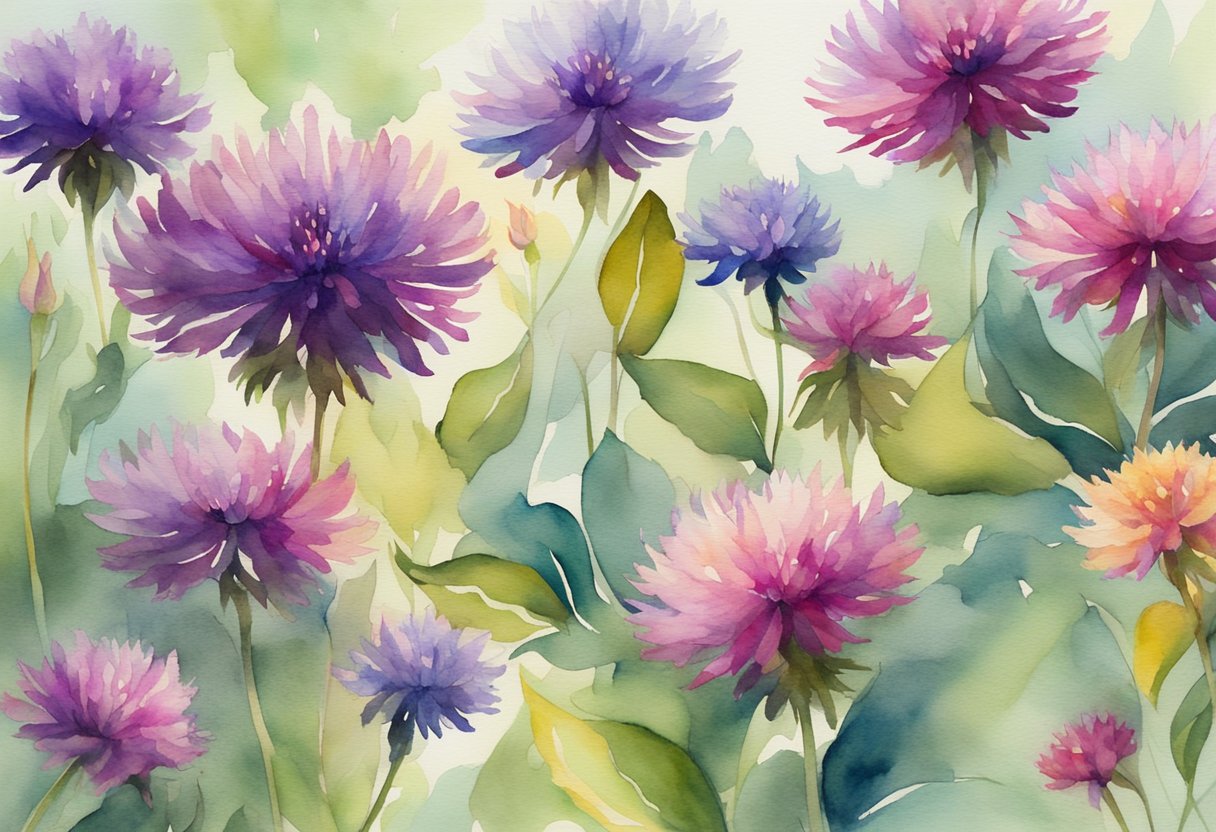
Gomphrena globosa stands out with its clover-like flowers, festooned in a carnival of colors that range from passionate reds to tranquil whites, jubilant oranges to regal purples, and playful pinks. Compact and bushy in form, they stretch upwards to a modest height of 6-24 inches, boasting green leaves that cradle the tender blooms. The true flowers hide shyly as tiny trumpets, primarily white to yellow, orchestra by the bolder papery bracts that cradle them.
Varieties and Colors
| Varieties | Height | Flower Colors |
|---|---|---|
| Buddy Series | 6-12″ | Red, White |
| Gnome Series | 6-8″ | Purple, White |
| QIS Series | 18-24″ | Mixed palette |
They offer a spectrum of colors, each a whisper of its own tale – from the deep purples speaking of spiritual wisdom to the bold reds singing songs of strength. The vividness of the Gomphrena globosa is not a frivolous gift. It encapsulates its vitality, ensuring its legacy through seeds that wait patiently beneath the earth for their time to unfurl into existence.
Cultivation Techniques
Planting and Growing Conditions
To create a sanctuary for Gomphrena, gardeners must prepare a stage that basks in full sun—the painter of their vibrant hues. This annual favors the warmth of spring and the embrace of summer to commence its lifecycle. The soil, akin to a nurturing cradle, should be well-draining and rich, but Gomphrena will also tolerate poor soil conditions, revealing its forgiving heart.
- Sunlight: Full sun (at least 6 hours of direct sunlight per day)
- Planting time: After the last frost in spring
- Soil: Well-drained, moderately fertile
Under their watchful eyes, the sowers must place the seeds or seedlings with a resolute hand, setting them about 6-12 inches apart, for these plants yearn for space to fan out their radiant gestures. As shoots emerge and rise, they whisper to the grower of their contentment in suitable conditions.
Care and Maintenance
These floral gems demand little yet reward greatly. Watering should be consistent, particularly when the garden is under the searing heat of summer. Yet, the plants detest waterlogged feet, making it essential to avoid the snares of overwatering.
- Watering: Keep soil evenly moist; avoid over-saturation
- Fertilizing: Minimal—too much can hinder the growth of their richly colored blooms
The Globe Amaranth is a warrior against drought and can stand resolute even when the skies withhold their tears. She requires no grand feast of fertilizers but will grace the occasional offering with an explosion of blooms. The grower must be vigilant for signs of powdery mildew if the leaves remain wet—a soft breeze and well-spaced plantings can circumvent such unfortunate spells. As the season wanes, pruning is not a burden these plants bear, for their blossoms steadfastly remain until the frost commands a curtain call.
Magical and Spiritual Properties
Color Symbolism and Influence
Red Globe Amaranth is said to emanate the essence of love and courage, infusing any amorous spell with its vivid energy. Its fiery hue represents passion, making it a choice blossom for love-drawing rituals.
- Purple Varieties resonate with wisdom and are often used to enhance spiritual awareness. These blooms are thought to foster a deeper connection to the mystical realms.
- White Globe Amaranth embodies purity and calm, offering protection and promoting good luck in one’s spiritual journey.
Gomphrena in Spiritual Practices
In spiritual practices, the Globe Amaranth is a treasured ally. The flower aids those who seek to divine the future, providing clarity and insight when used in divination rituals.
- Spells for Protection: The robust nature of Gomphrena makes it a powerful protector, shielding against negative energies.
- Good Luck Charms: It is woven into talismans to attract positivity and fortune.
They regard Gomphrena as a vessel of tranquility, its presence believed to calm the tempest of a weary heart, making it a staple in meditative and relaxation ceremonies.
Ecological Benefits and Interactions
Attracting Pollinators and Wildlife
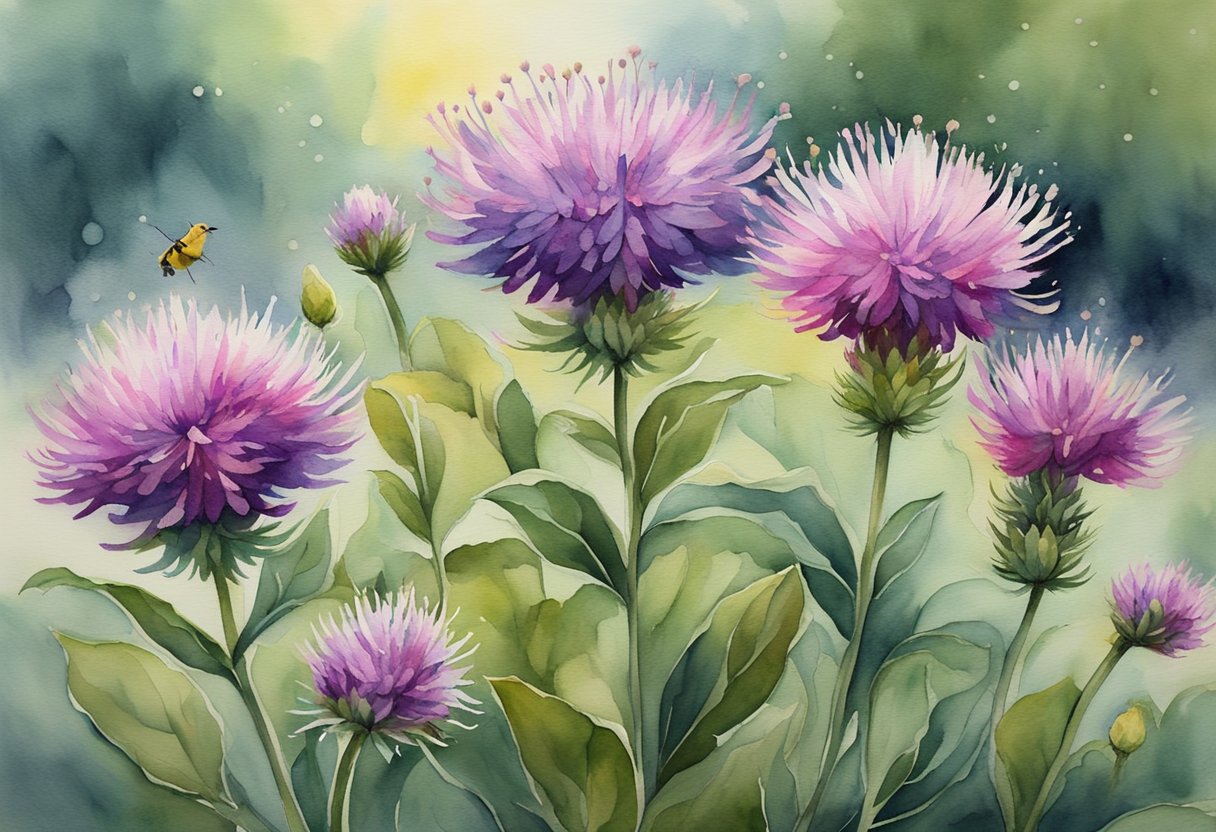
Globe Amaranth is a magnet for pollinators such as bees and butterflies, their vibrant inflorescences serving as a bustling hub for these essential creatures. The rich nectar of Gomphrena globosa beckons a diverse troupe of pollinators, turning each flower into a veritable oasis in the landscape.
- Bees: Buzzing around the blooms, they are the tireless laborers that ensure pollination.
- Butterflies: They add a splash of grace to the garden, flitting from flower to flower in a delicate dance of survival.
This floral congregation is not only a feast for the eyes but a critical chapter in the story of pollination, ensuring the continuity of many plant species.
Gomphrena in the Ecosystem
Within the ecosystem, Globe Amaranth’s role extends beyond beauty; it is a sentinel for nature conservation. These resilient plants offer stabilizing forces in their habitats, with the ability to thrive in hot and arid conditions where others may falter.
- Ecosystem Health: Their presence can signify a robust and well-balanced ecosystem, contributing to overall ecological diversity.
- Wildlife Support: The plant acts as a life-sustaining entity, providing sustenance and shelter to various wildlife species.
Embracing Globe Amaranth in natural spaces is akin to sowing seeds of ecological hope, a gesture towards maintaining the delicate equilibrium of our planet’s diverse ecosystems.
Gomphrena in Landscaping
Designing with Gomphrena
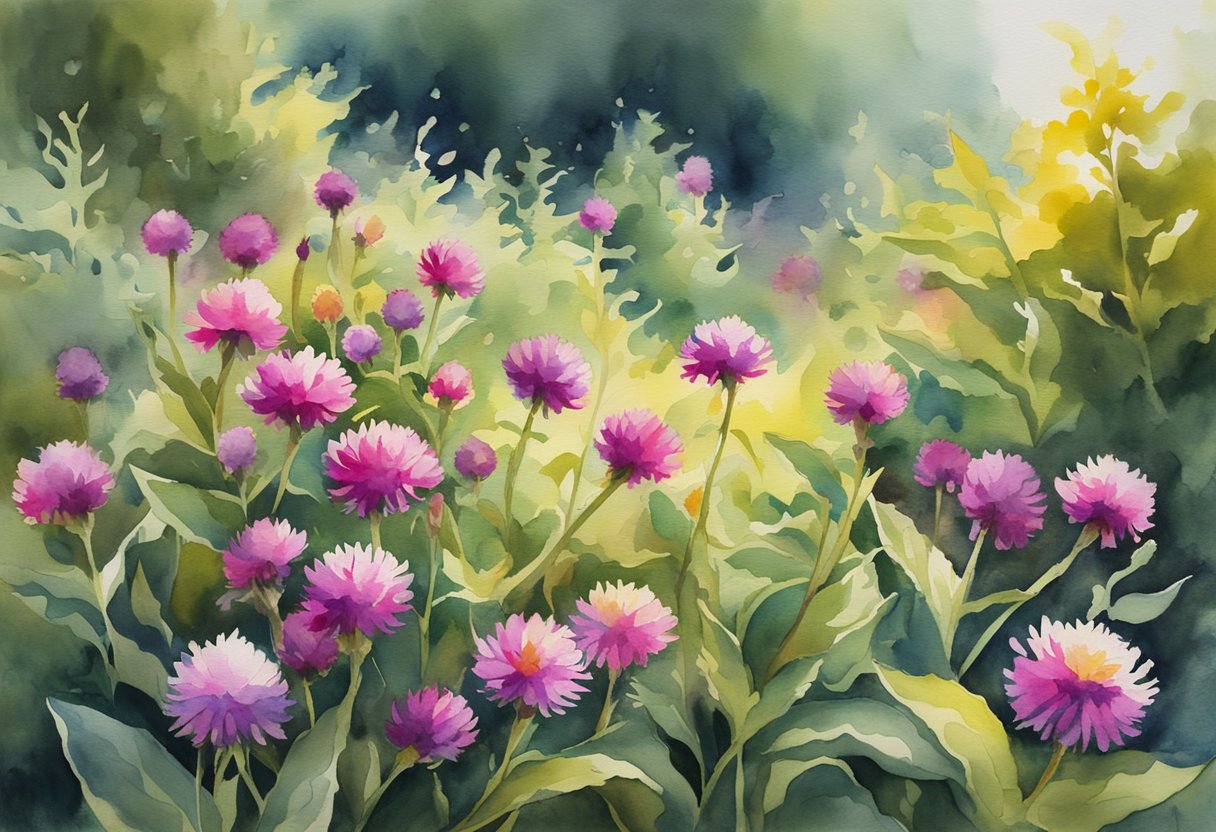
To infuse a space with whimsy and color, one might consider Gomphrena. This plant showcases rich hues through the garden, creating a visual symphony that speaks to the soul. Its spherical blooms stand tall on sturdy stems, casting a spell of enduring beauty. When designing with Gomphrena, it’s important to envision the garden as a canvas, with these flowers as the bold strokes of paint adding depth and texture.
- Height & Structure: Taller cultivars can rise above the garden bed, adding dimension.
- Texture & Color: The clover-like flowers offer a unique texture against the green canvas, blooming in vivid pinks, purples, reds, and whites.
Combination with Other Plants
In the company of companion plants, Gomphrena dances in harmony, contributing to a chorus of color and form. Placing these globe-shaped beauties among sun-loving comrades such as zinnias and salvias creates a spectrum of delight for the observer. By crafting combinations that play with height and form, a gardener weaves a story of visual intrigue.
- Border Companions: For borders, consider the airier varieties that complement taller plants like Mexican sunflowers and dahlias.
- Pot Pairings: In pots, shorter Gomphrena varieties can nestle in with complementary shades and textures, enchanting the eye with their kaleidoscopic display.
Employing Gomphrena in landscapes provides a delight for both gardener and butterfly alike, inviting a shimmer of life and a whisper of the spiritual into earthly gardens.
Harvesting and Usage

Preparing Cut Flowers
The globe amaranth reveals its true beauty when transformed into cut flowers. They should be harvested on a dry morning when blooms are just opening. Snipping the stems at an angle enhances the uptake of water, ensuring they retain their ethereal vibrancy. Once brought indoors, they demand a clean vase with fresh water to prolong their splendor. People often dry these blooms, for even as they shed their fresh vitality, they retain a shadow of their color and shape—an echo of summer in the quieter, colder months.
To dry globe amaranth:
- Harvest flowers when fully open but still vibrant.
- Tie stems in small bundles.
- Hang upside down in a warm, dry, well-ventilated area.
- Wait for 2-3 weeks until completely dry.
The dried flowers can later serve as a beacon of warmth in one’s home or in crafting, releasing a subtle hint of summer’s past.
Culinary Applications
Although not as widely acknowledged, the globe amaranth’s potential extends beyond gardening beauty into the realm of the edible. Both the leaves and flowers can grace a meal with a sprinkle of color, and their mild spinach-like flavor. They are a delightful addition to a summer salad or can be steeped to create an herbal tea with a light, refreshing taste. Rich in nutrients, this plant’s edible parts are cherished in various cultures for their believed health benefits, becoming a staple in gardens seeking both beauty and sustenance.
For use in culinary applications, globe amaranth should be:
- Carefully washed to remove any garden residue.
- Removed from any thick or tough stems.
- Gently patted dry before incorporation into dishes.
The relationship between a gardener and her Gomphrena offspring is one of mutual adoration. She watches as they grow from tiny seeds into beings of beauty and utility, knowing the time will come to partake in their harvest. The vigorous yet delicate flowers yield to her touch, ready to be reborn as a symbol of nature’s unspoken language, whether they find themselves sparkling atop a salad or steeping in a glass, steeping their whispers into warm tea.
Varietals and Their Unique Attributes
Comparing Globosa with Other Species
Gomphrena globosa, commonly revered as the globe amaranth, can be distinguished from its kin by its strikingly round inflorescences, which resemble tiny, clover-like orbs. Globosa, primarily native to Central America and fond of tropical to subtropical climates, tends to conjure imagery of everlasting love and cosmic infinity, perhaps due to its predominantly spherical blooms that echo the shape of the universe. Meanwhile, other Gomphrena species, which may flourish in similar climes—from the warm gardens of India to the bustling flower beds of South America—often present a more elongated or spiked floral form, each associated with its unique spiritual revelations and energies.
Distinctive Features of Gomphrena Varietals
Gomphrena varieties are not monochrome but rather a kaleidoscope of color, from the soothing lavender wisps of Gomphrena ‘Buddy Purple’ to the passionate reds and sunny yellows that splash across gardens like the remnants of a fiery sunset. They boast not only a visual feast but also a soulful resonance with the metaphysical world. Colors are potent symbols: whites for purity, reds for courage and vitality, and purples—often akin to the shade of spiritual awakening—for deep connection with the higher realms.
Each varietal is a sentinel of symbolism, with some formulating tighter flower clusters and other species, such as the statuesque Gomphrena haageana, parading their vivid pompom-like flowers atop taller stems. Both in life and when dried, the bloom of life in Gomphrena bridles not, but invites the observer to gaze into eternity, whispering of resilience, of undying spirits rooted deeply in the rich soils of cultures and wilds alike.
